
Last updated November 2, 2026
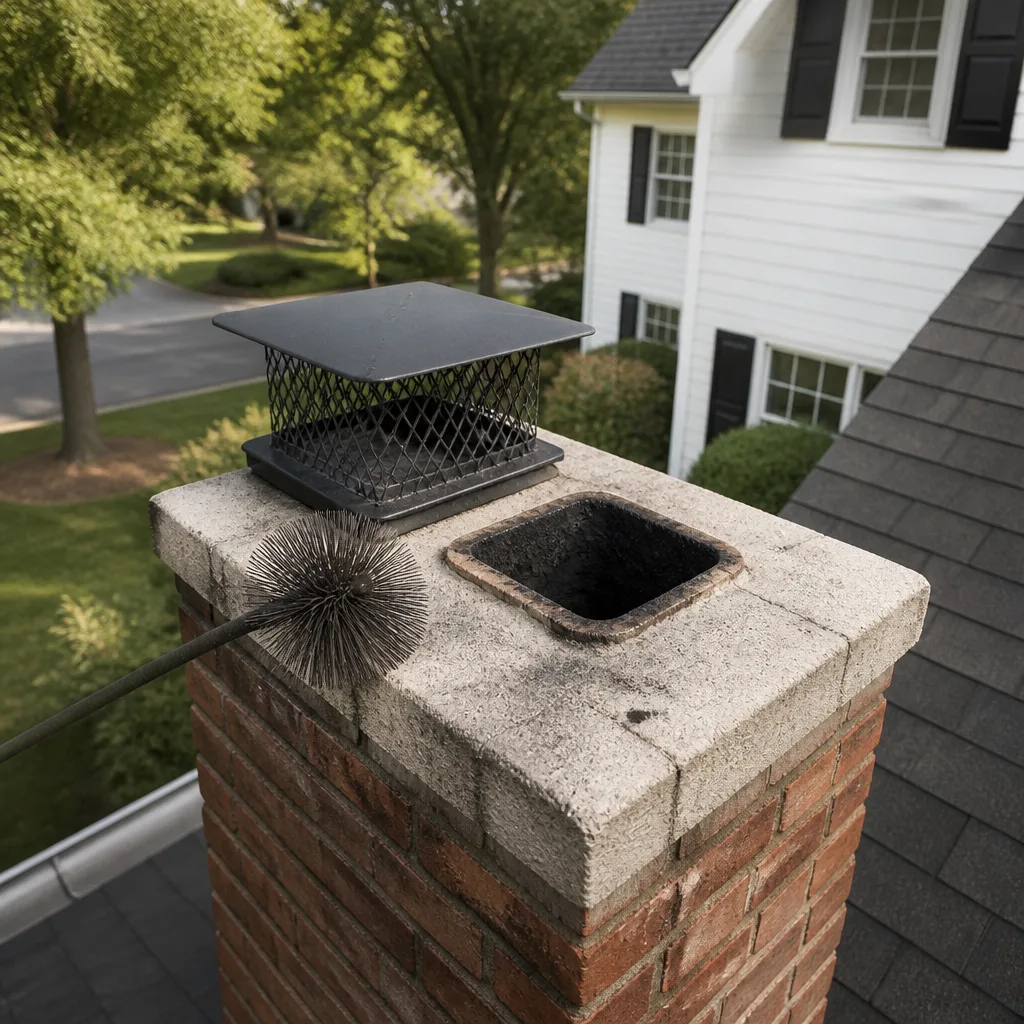 Sweep & inspection
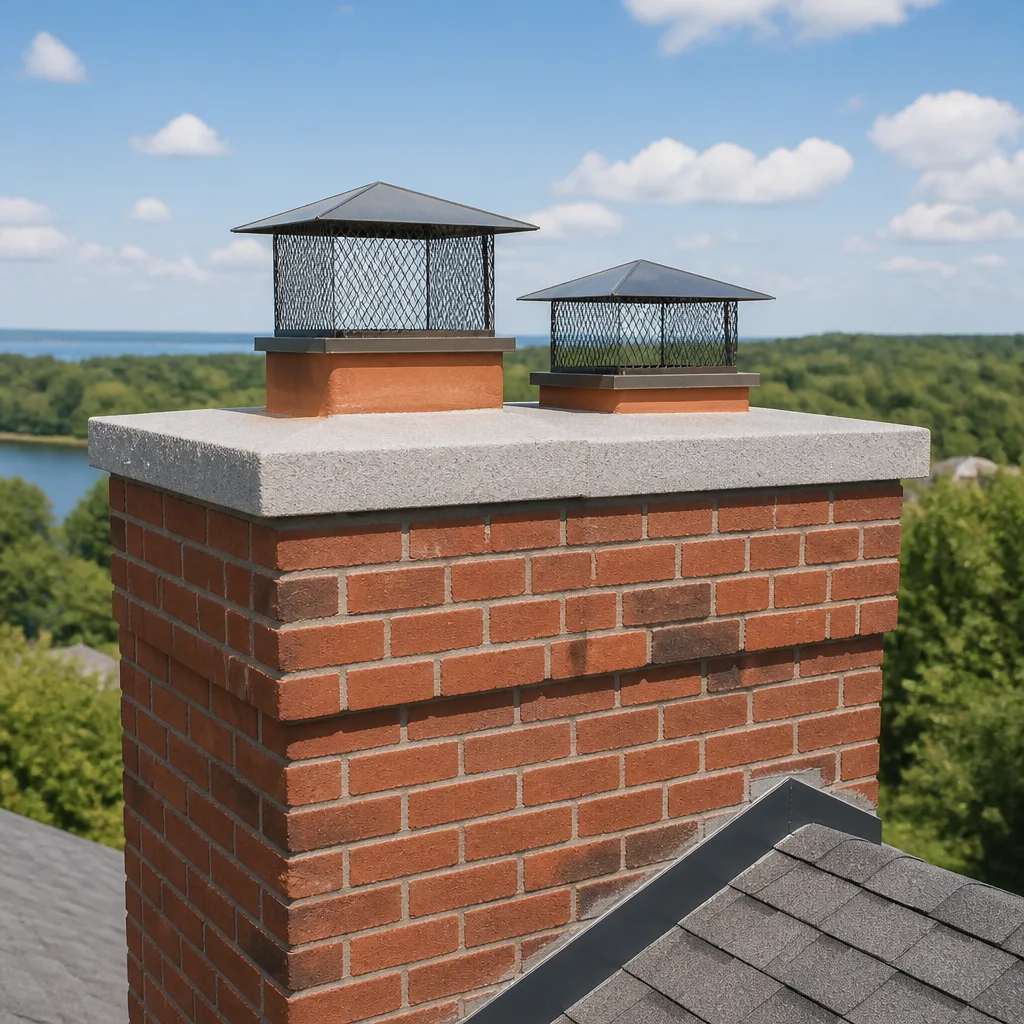 Caps & crowns
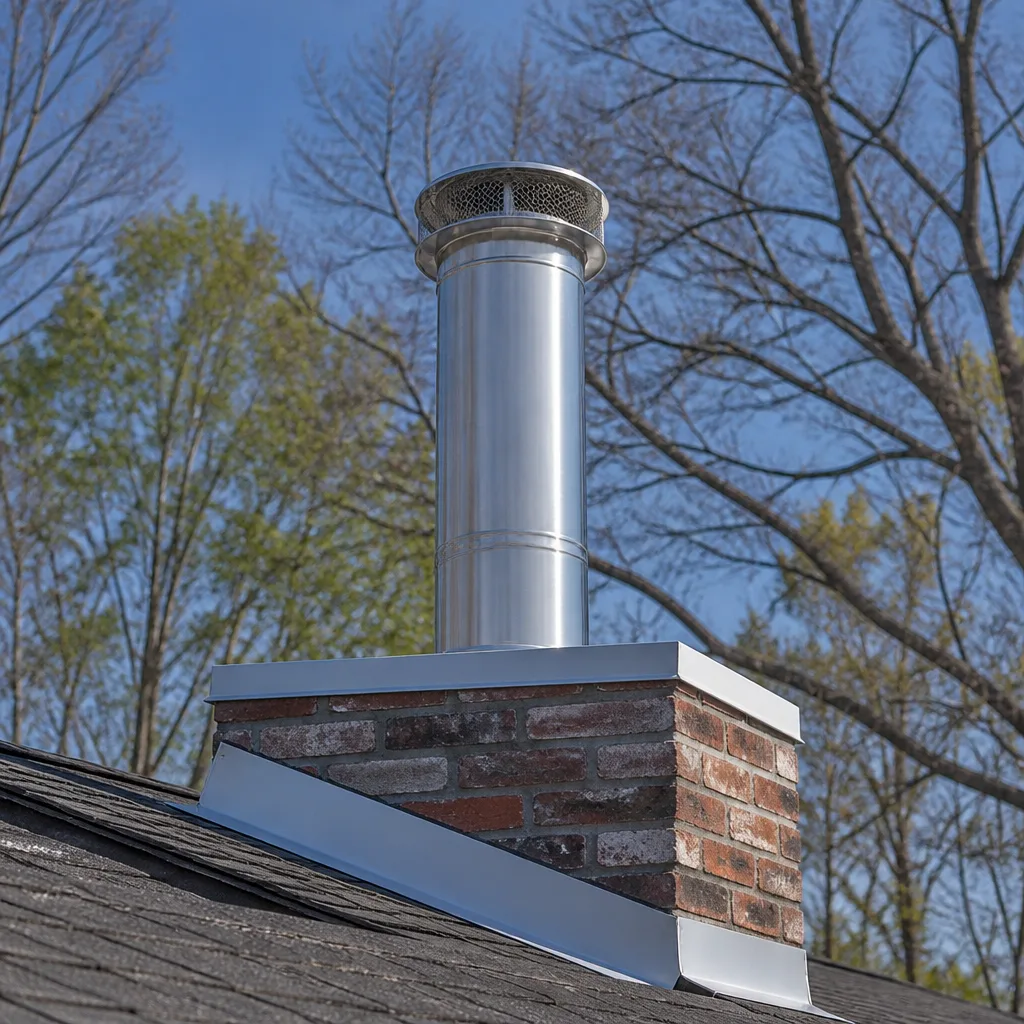 Flue relining
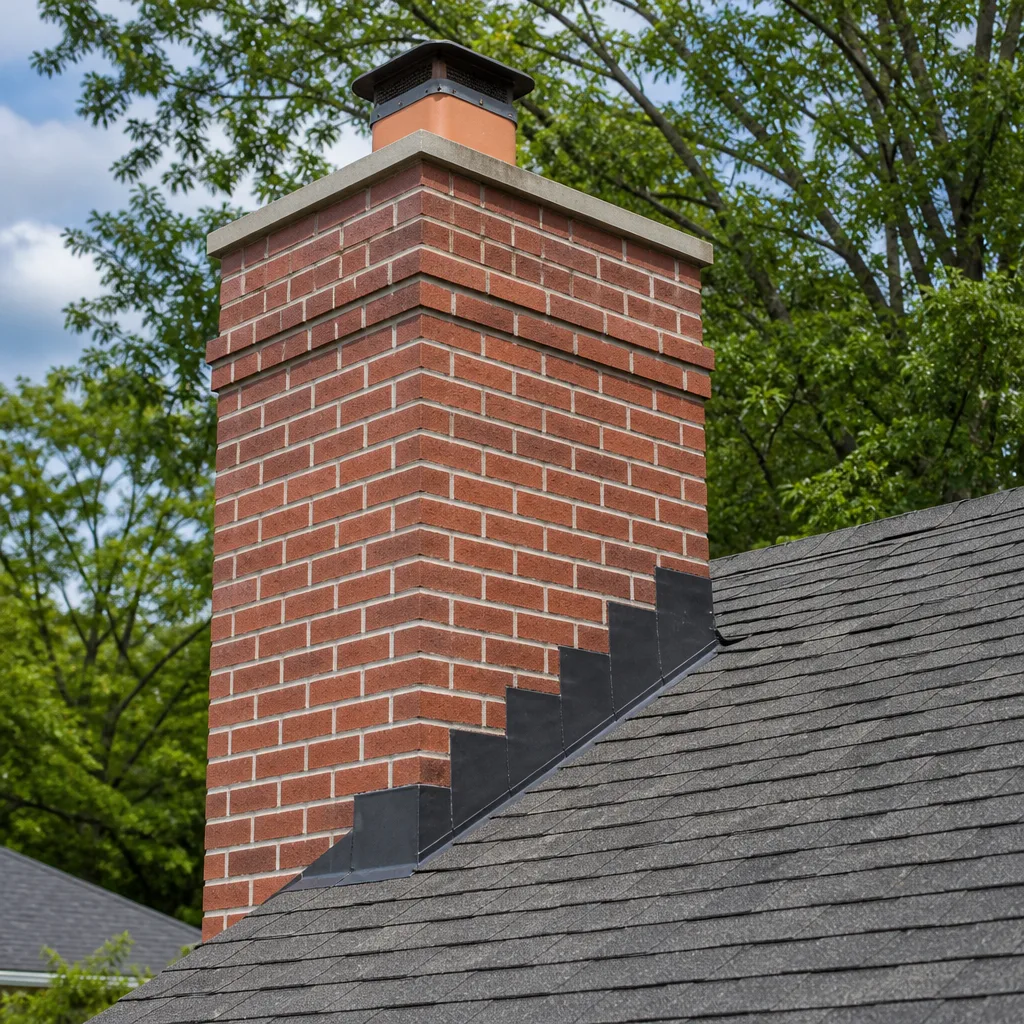 Masonry repair
 Gas fireplace service
Level 1 sweep and inspection to the NFPA 211 annual standard - flue, crown, cap, and flashing checked and photographed
Chimney sweep logs do not sweep chimneys. They loosen some creosote - which then falls where a brush and vacuum still have to collect it.
Chimney Cleaning Emergency Preparedness Guide for Sea Cliff Homes
A chimney fire doesn’t sound like a campfire crackling. It sounds like a low-flying jet passing directly over your roof, a deep roaring rumble that comes from inside the flue itself. In Sea Cliff, where coastal fog keeps wood damp and creosote builds faster than inland homeowners would expect, these emergencies follow patterns we can predict. This guide walks you through exactly what to do when something goes wrong: a chimney fire, a carbon monoxide event, or sudden smoke rollback into your living space. You’ll learn the correct first response for each scenario, what to tell the fire department when they arrive, how to document everything for insurance, and when a sweep is the right call versus when you need 911.
Quick Answer
If you suspect a chimney fire in your Sea Cliff home, call 911 immediately, get everyone out of the house, and close the damper if you can safely reach it. After any chimney fire, the fireplace must not be used again until a professional completes a Level 2 inspection. For a carbon monoxide alarm, evacuate first, call 911, and do not re-enter until the fire department clears the home. Sudden smoke rollback while burning usually means a draft problem or blockage. Stop using the fireplace and call a chimney professional at (833) 593-0743 for an assessment.
Styles & brands we work with
- Sweep & inspection
- Caps & crowns
- Flue relining
- Masonry repair
- Gas fireplace service
Table of Contents
- Chimney Fire: The Immediate Response Protocol
- Suspected Carbon Monoxide Leak: What to Do Right Now
- Sudden Smoke Rollback: Causes and Correct Response
- What to Tell the Fire Department When They Arrive
- Why a Level 2 Inspection Is Non-Negotiable After a Chimney Fire
- Setting Up an Early-Warning System in Your Sea Cliff Home
- Post-Emergency Documentation for Insurance Claims
- How Sea Cliff’s Coastal Climate Affects Chimney Risk
Chimney Fire: The Immediate Response Protocol
A chimney fire in progress is a structural fire event. It’s not something you manage with a fire extinguisher or a bucket of water. The fire is burning inside the flue, where temperatures can exceed 2,000 degrees Fahrenheit, enough to crack clay liners, warp metal flues, and ignite surrounding framing. Our team has seen the aftermath in Sea Cliff homes near China Beach and along the bluffs off El Camino del Mar, where homeowners tried to “wait it out” and ended up with significant fire damage to the chase and attic. The correct sequence of steps matters more than speed.
- Call 911 first. Do this before anything else. Even if the fire seems contained to the flue, chimney fires spread. Tell the dispatcher you have an active chimney fire and give your Sea Cliff address clearly. The fire department responds differently to chimney fires than to other calls and they will check attic spaces and wall cavities for extension.
- Evacuate everyone from the home. Get pets, children, and anyone else out of the house immediately. Do not stop to gather belongings. Carbon monoxide and smoke travel fast through a burning house, even when the visible fire stays inside the chimney.
- Close the damper if you can reach it safely. If the damper is fully open and you are within arm’s reach of the fireplace opening, closing it cuts off the fire’s oxygen supply. This can slow the burn while you wait for the fire department. If you cannot reach the damper without leaning into smoke or heat, leave it. Your safety matters more than starving the fire.
- Do not use water. Water inside a hot chimney causes thermal shock. That shatters clay liners and can send burning creosote and debris into the room. A hose aimed up the chimney from the roof is equally dangerous and puts you directly in the path of superheated gases.
- Wait for the fire department outside. Meet them at the street if you can. Tell them where the fireplace is located in the home and where you heard or saw the fire. They will check the attic, the chase, and surrounding walls for extension before they clear the scene.
After the fire department leaves, the chimney is not safe to use. Even if everything looks fine from the outside and the fire stayed contained, the internal flue has been exposed to temperatures far beyond normal operating range. A hairline crack in a clay tile or a warped section of metal flue is invisible from the firebox. That damage becomes the ignition point for the next fire. The next section explains what happens next.
Suspected Carbon Monoxide Leak: What to Do Right Now
Carbon monoxide is odorless, colorless, and heavier than air’s lighter components, which means it pools and moves through a house in ways you cannot detect without an alarm. In Sea Cliff, where coastal homes often seal tightly against fog and damp, CO events from backdrafting chimneys and blocked flues happen more often than inland readers might expect. A backdrafting fireplace or a blocked chimney pushes combustion gases into the living space instead of up the flue. The gases contain carbon monoxide, and the symptoms of exposure mimic the flu: headache, dizziness, nausea, confusion, and fatigue. The difference is that CO symptoms improve when you leave the house and worsen when you return.
If your CO detector alarms, or if you and your family experience those symptoms while indoors, your response has to be immediate.
- Evacuate first. Get everyone out of the house, including pets. Do not open windows on your way out. That can actually pull more CO through the home. Just leave.
- Call 911 from outside. The fire department carries portable CO meters and will determine the source and concentration. Tell the dispatcher that your CO detector is going off and whether anyone has symptoms.
- Do not re-enter until the fire department clears the home. CO concentrations can remain dangerous even after doors and windows are opened. The fire department will ventilate and meter the space. If they tell you it’s safe to go back inside, it is. If they tell you to wait for a contractor, wait.
- Do not restart the fireplace or heating appliance. The CO event means combustion gases are not drafting properly. The cause could be a blocked flue, a damaged liner, a failed damper, or a negative pressure problem in the home. Restarting the appliance repeats the event.
- Schedule a chimney inspection before the next burn. After a CO event, the system needs a professional assessment. This is a sweep’s diagnostic job, not a fire department call. Our service area covers all of Sea Cliff, and we document flue blockages, liner damage, and draft failures in writing so you have a record of what happened and what was repaired.
One clarification that matters: a CO detector that goes off intermittently is not a false alarm. The detector is responding to a real condition. The source may be intermittent, like a backdraft that only happens under certain wind conditions or stack effect patterns. In Sea Cliff’s hilly terrain and shifting coastal winds, we see draft reversal more frequently than flatland homes. Have the system checked, and do not disable the detector.
Sudden Smoke Rollback: Causes and Correct Response
Smoke rollback is what happens when the chimney stops pulling smoke upward and pushes it back into the room instead. It can be sudden, dramatic, and understandably alarming. Smoke fills the living space in seconds, the room smells acrid, and your first instinct might be to open windows and doors. That instinct is wrong in some cases, because opening a window on the wrong side of the house can make a negative pressure problem worse. Here’s what’s actually happening and what to do.
Chimneys work on a pressure differential. Warm air rises because it’s less dense than the cold air around it. The flue creates a contained column where that rising air can move. When something disrupts that column, the draft reverses. Common causes include:
- A cold flue. Coastal Sea Cliff homes that haven’t burned in weeks have cold, dense air sitting in the flue. Lighting a fire into that column without priming it pushes smoke outward instead of up. This is the most common rollback cause we see, and it’s usually resolved by pre-warming the flue.
- A blocked flue. Bird nests, leaf debris, and fallen sections of deteriorated liner can partially or fully block the flue passage. Sea Cliff’s cypress trees drop debris that finds its way into uncapped chimneys all year round.
- Negative pressure in the home. Kitchen exhaust fans, bathroom fans, and forced-air furnaces pulling air out of the house can overpower the chimney’s draft. The house becomes a vacuum, and the chimney becomes the replacement air intake. Smoke rolls back because the house is actively pulling it in.
- Wind effects. Sea Cliff sits on exposed coastal bluffs where wind patterns shift constantly. A strong downdraft off the Pacific can overwhelm the chimney’s upward draw, especially on chimneys that are short relative to the roofline.
Your correct response depends on what’s happening:
- Close the fireplace doors or glass screen if you have one. This contains the smoke at the source and keeps it from filling the room further.
- Extinguish the fire if you can do so safely. For wood fires, use a fire extinguisher rated for Class A fires if the fire is still burning and you can access it without breathing heavy smoke. Do not use water in a lit fireplace.
- Turn off exhaust fans and forced air systems. This removes the negative pressure pulling smoke into the room. Exhaust fans are the biggest culprit in modern tightly-sealed Sea Cliff homes.
- Open a window near the fireplace, not on the opposite side of the house. This creates a direct path for replacement air to reach the firebox, which reduces the chimney’s role as the make-up air source. On the windward side of the house, if possible.
- Do not attempt to keep burning through the problem. If the smoke rolls back once, the underlying condition will repeat. Stop using the fireplace and have the system assessed before the next burn.
Smoke rollback is a draft problem, not a fire emergency, unless the smoke triggers a CO alarm or anyone shows signs of smoke inhalation. In that case, evacuate and call 911. If it’s just a smoky room with no alarm and no symptoms, the response is to stop using the fireplace and call a professional. The Chimney Sweep in Sea Cliff team can typically identify the cause in a single visit and often fixes simple cases on the spot, like a cold flue or a partially blocked cap.
What to Tell the Fire Department When They Arrive
The fire department’s job when they respond to a chimney fire call is to make sure the fire is fully extinguished and has not spread into the structure. The information you give them helps them do that job faster. When they arrive, a firefighter will ask you a series of questions. Your answers directly affect how aggressively they search the home.
- Where is the fireplace located in the home? Give them the room, floor, and approximate position relative to the front door. In a Sea Cliff home with multiple levels built into the hillside, this matters more than you might think.
- When did you last use the fireplace before today? This helps them understand whether the fire was a slow burn or a sudden flare.
- What did the fire sound like? The roaring jet-like sound is the classic chimney fire indicator. If you heard popping, crackling, or a deep rumble, tell them. Different sounds suggest different burn intensities.
- Did you see flames or smoke from the chimney top? If you were outside or looking from a window, tell them what you saw. Flames visible from the top mean the fire had reached the flue exit, which changes how they assess spread risk.
- When was the last time the chimney was swept and inspected? Be honest. If you don’t know, say so. They are not there to judge you, and this information helps them understand creosote load and structural condition.
- Have you had chimney work done in the past, and what was done? If you have a liner, tell them what kind if you know. If you had repairs, tell them when and what was repaired. This matters because metal liners and clay liners fail differently under fire conditions.
After they clear the scene, ask for the incident or report number. Your insurance company will want it. Also ask whether they noted any specific findings you should relay to a chimney professional, like obvious flue damage or visible cracks. Firefighters see chimney damage frequently and their notes can help us target our post-fire inspection. If you need a post-fire chimney assessment or full Chimney Repair in Sea Cliff, call (833) 593-0743 and mention that the fire department responded. That context matters for how we approach the job.
Why a Level 2 Inspection Is Non-Negotiable After a Chimney Fire
After any chimney fire, the system must be inspected before it’s used again. Not a visual glance from the firebox, not a sweep alone. A Level 2 inspection. This is the industry standard recognized by the National Fire Protection Association and the Chimney Safety Institute of America, and it’s the only inspection type that evaluates the internal flue surfaces and accessible surrounding structure after a fire event. Skipping this step is how a second, much worse chimney fire happens within the same season.
Here’s what a Level 2 inspection specifically looks for after a chimney fire:
- Flue liner cracks and fractures. Clay tiles exposed to chimney fire temperatures shatter or crack. A cracked tile exposes the masonry behind it to direct flame and heat transfer. Metal liners warp and separate at seams. Both conditions are invisible from the firebox and only detectable with a video scan.
- Creosote ignition residue. After a chimney fire, the remaining creosote is different. It has been through a burn event and often presents as a hardened, glazed layer that is even more difficult to remove than before. A sweep after a fire requires different techniques than routine maintenance sweeping.
- Masonry joint damage. The mortar joints between bricks and flue tiles expand and crack under fire-heat stress. Water intrusion follows, and in Sea Cliff’s coastal moisture, that leads to accelerated deterioration.
- Chase and attic smoke damage. Even when fire doesn’t spread into the structure, smoke and heat can enter wall cavities and the attic through small gaps. A Level 2 inspection includes checking accessible areas for smoke residue, charring, or heat damage.
- Damper and cap functionality. A chimney fire can warp the damper plate or damage the chimney cap, especially in metal-chase installations common in newer Sea Cliff construction.
The Level 2 inspection involves a video scan of the entire flue interior. In our experience serving Sea Cliff homeowners, this camera documentation is the single most valuable record you can have after a chimney fire. It gives you visual proof of what the fire did, what needs repair, and what can safely wait. It also becomes the document your insurance adjuster needs to process a claim. This is where our professional-grade tooling matters. We stock and install from trade supplier lines including DuraFlex and HeatShield, which means when the inspection identifies liner damage, we can often address it with a ceramic resurfacing application or full relining rather than a teardown. The Sunstone Chimney Sweep home service area covers all of Sea Cliff, and post-fire inspections are one of the most important calls we take.
Setting Up an Early-Warning System in Your Sea Cliff Home
You cannot prevent every chimney problem. But you can build a detection system that catches problems before they become emergencies. The right setup is inexpensive, simple, and specific to how Sea Cliff homes actually perform. This is not a generic “install a smoke detector” lecture. It’s a targeted early-warning protocol for the three failures that actually hurt people: chimney fire, CO backdraft, and smoke rollback.
Carbon monoxide detector placement. Install at least one CO detector on every level of the home, including the basement if you have one, and place one within 15 feet of each sleeping area. In Sea Cliff homes with multiple levels built into the hillside, do not rely on a single detector on the main floor. CO moves with air currents and can pool at lower levels while upper levels read clear. Detectors should be replaced every 5 to 7 years depending on the model. Check the manufacture date on your unit now.
Draft anomaly monitoring. This is a habit, not a device. Before lighting a fire, hold a lit match or lighter near the open damper. If the flame pulls toward the flue, the draft is moving up. If the flame flickers outward into the room, or if smoke from a small piece of lit paper rolls into the room, stop. Do not light the fire. The chimney is not drafting correctly, and burning into a non-drafting flue is how smoke rollback and CO events happen. This 30-second check costs nothing and catches more problems than any sensor.
Visual chimney-top checks. From outside, on a clear day, look at the top of the chimney. Can you see the cap? Is anything protruding from the flue opening? Sea Cliff’s coastal winds carry debris, and nesting birds find uncapped flues in the spring. A visible obstruction is a reason to not light a fire until a sweep clears it. If you can’t see the chimney top from the ground, a pair of binoculars is the right tool.
Sound and smell awareness. A roaring sound from the flue while burning is a chimney fire, not a normal burn. A sharp, acrid smell while the fireplace is in use that is not wood smoke is often creosote igniting or a partially blocked flue pushing combustion gases inward. Trust those senses. Shut the fire down and call a professional.
When to call a sweep versus 911: active fire, visible flames from the chimney top, CO alarm sounding, or anyone with smoke inhalation symptoms, call 911. Draft problems, recurring smoke rollback without alarm, unusual chimney smells while burning, or visible debris blockages, call a professional at (833) 593-0743. The Dryer Vent Cleaning in Sea Cliff team also handles vent-related CO and fire risks, and we approach vent cleaning with the same early-detection mindset we bring to chimneys.
Post-Emergency Documentation for Insurance Claims
Insurance claims after a chimney fire or CO event succeed or fail on documentation. The right paperwork makes the difference between a covered repair and a denied claim that leaves you paying out of pocket. Here’s the system we recommend to every Sea Cliff homeowner after any chimney emergency.
Photograph everything. Take wide shots of the fireplace and surrounding room, close-ups of the firebox interior, the damper, the chimney from outside, and any visible damage to the roof or chase. Include the attic if you can safely access it. Take more photos than you think you need. If the fire department ventilated the home or cut into walls, photograph that too.
Request a written incident report from the fire department. Ask for the report number at the scene, but also request a copy of the full report after it’s filed. Most departments in the Sea Cliff area have a records request process. The report is the official record that the event happened, and insurance adjusters use it to verify the claim.
Get a written inspection finding from a chimney professional. After a chimney fire, the Level 2 inspection report is your primary evidence of damage and required repairs. Request the video scan images or a written description of the video findings. A professional written report should state: the condition of the flue liner, the extent of creosote damage, the specific repairs needed, and a clear statement about whether the chimney is safe to use. This is the document that gets repairs approved.
Keep a log of all communications. Write down who you spoke to at the fire department, the insurance company, and any contractors. Include names, dates, and what was said. After a chimney fire, you will talk to a lot of people, and the details blur. A simple note in your phone keeps everything straight.
Request a written sweep report after any post-fire cleaning. After the Level 2 inspection and any required repairs, a professional sweep is typically next. Request a written sweep report that documents what was removed, the condition of the flue after cleaning, and confirmation that the system is safe for use. This closes the loop on the insurance file and gives you a clean starting point for the next burning season.
One thing we tell every client: do not begin repairs before your insurance adjuster has documented the damage. If repairs start before the adjuster sees the damage, the claim can become much harder to process. The inspection report is enough to show the adjuster what happened. Wait for their sign-off before scheduling repair work.
How Sea Cliff’s Coastal Climate Affects Chimney Risk
Sea Cliff’s specific geography creates chimney conditions that are meaningfully different from homes even a few miles inland. Understanding these conditions helps you prepare more effectively, because the risk patterns are predictable.
Moisture and creosote buildup. Sea Cliff’s fog and coastal humidity keep firewood damper than wood stored in drier, warmer microclimates. Damp wood burns cooler and less completely, producing more creosote per fire than dry wood. Creosote is the fuel for chimney fires. Homeowners on the coast should expect shorter intervals between necessary sweepings than inland friends with the same burn frequency. A chimney that would be safe for a full season in, say, Livermore, can accumulate a dangerous creosote load in a single Sea Cliff winter.
Wind pressure and draft reversal. The bluffs and hills around Sea Cliff create wind patterns that simply don’t exist in flatter neighborhoods of San Francisco. A southwest wind off the Pacific hits the hillside and creates turbulence at the chimney top. Homes on exposed ridge lines deal with downdrafts that push smoke back down the flue and into the living space. This is a mechanical problem with a mechanical solution, sometimes a taller flue or a different cap design, but it has to be diagnosed in the context of the home’s exact position.
Salt air and masonry deterioration. Salt-laden coastal air accelerates mortar joint deterioration. Bricks and mortar expand and contract with moisture, and salt crystals wedge into tiny cracks and widen them over time. What looks like cosmetic wear on an exterior chimney can be structural weakening on the inside of the flue. This is a primary reason we recommend professional inspection rather than DIY visual checks for Sea Cliff chimneys. The damage that matters is usually invisible from the ground.
Nesting pressure. Sea Cliff’s coastal vegetation and tree canopy create active nesting habitat for birds. Uncapped or poorly capped chimneys become nesting sites in spring, and a bird nest in the flue is a chimney fire waiting to happen. The nest itself is flammable, and it blocks the draft at the same time. The combination is combustible material in the flue plus smoke that can’t escape, which is exactly the condition that produces the worst outcomes.
These conditions don’t mean chimney problems are inevitable. They mean the margin for delayed maintenance is smaller here than in many other places. The same chimney sweep interval that works for a home in the Mission might be dangerously long for a home on the Sea Cliff bluffs. We recommend that coastal homeowners get their chimneys assessed at least annually, and more frequently if they burn wood regularly. The Chimney Sweep in Sea Cliff service includes the kind of thorough flue documentation that lets you see exactly what’s building up before it becomes a problem.
What to Expect From a Professional Post-Emergency Assessment
When you call us after a chimney fire, CO event, or significant smoke rollback, here’s what happens during the assessment. Knowing this ahead of time removes some of the uncertainty from an already stressful process.
First, we’ll ask about the event itself. What happened, when it happened, who responded, and what they told you. This context shapes the entire assessment. A chimney fire that was extinguished quickly by the fire department requires a different inspection focus than a slow-burning smolder that went undetected for hours.
Then we run the video scan. A camera goes up the full flue length, from the firebox to the chimney cap. The camera shows us the liner condition, creosote deposits, any blockages, and any structural damage in the flue interior. In a post-fire inspection, this scan is the critical diagnostic step. We’re looking for the specific failure patterns that chimney fires create: cracked tiles, separated metal seams, glazed creosote, and heat-damaged mortar.
After the scan, we’ll walk you through what we found. If the chimney can be brought back to safe condition with a sweep and minor repairs, we’ll tell you that. If the liner is compromised and the chimney needs resurfacing or relining, we’ll show you the video that proves it. We stock and install from professional trade lines including DuraFlex, HeatShield, Famco, and Copperfield, so we can quote ceramic resurfacing or a full flexible liner replacement on the spot when needed. No second contractor, no “we’ll have to bring someone else in.”
The assessment ends with a written report. Every finding is documented. Every recommendation is specific. If your insurance company needs documentation, the report is written to meet that need. And if the chimney is safe to use, we tell you that too. Not every call ends with a repair recommendation, and our job is to tell you the truth about what the system needs, not to manufacture problems that don’t exist.
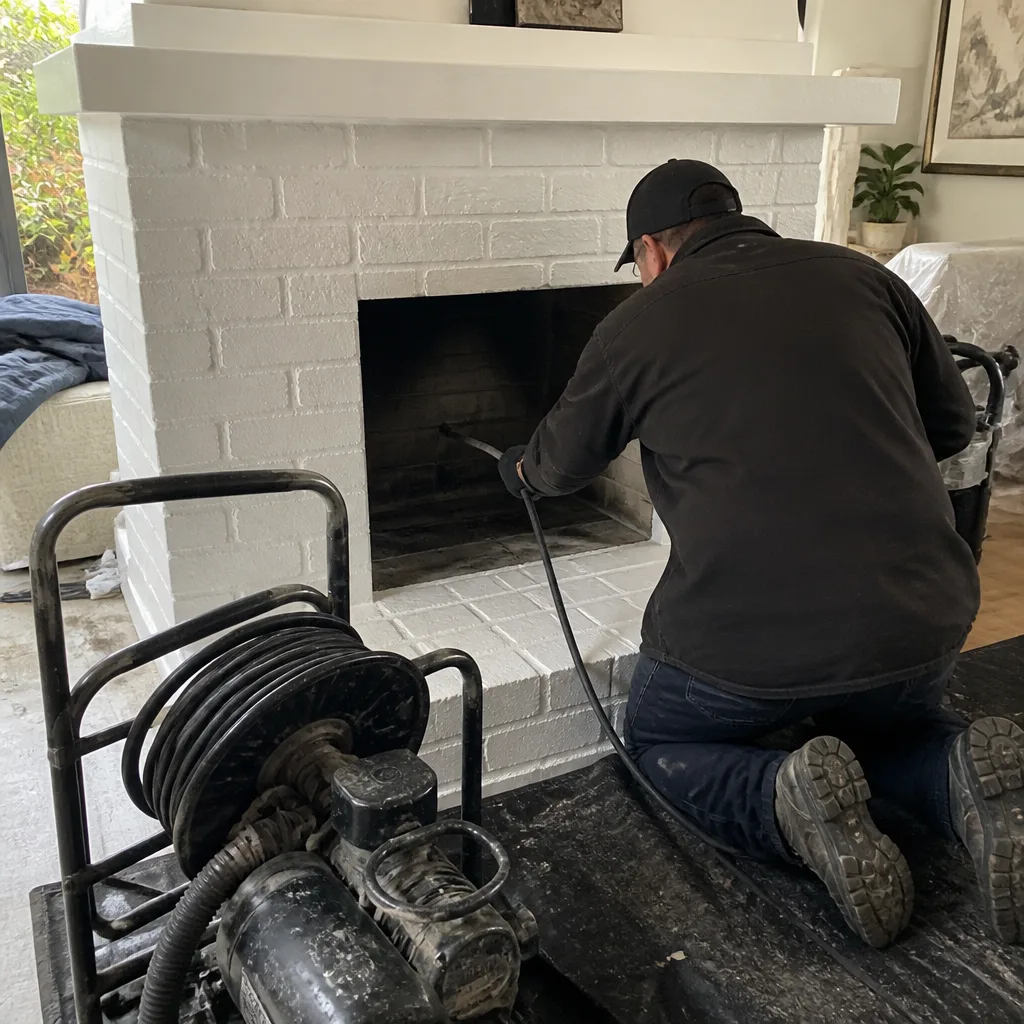
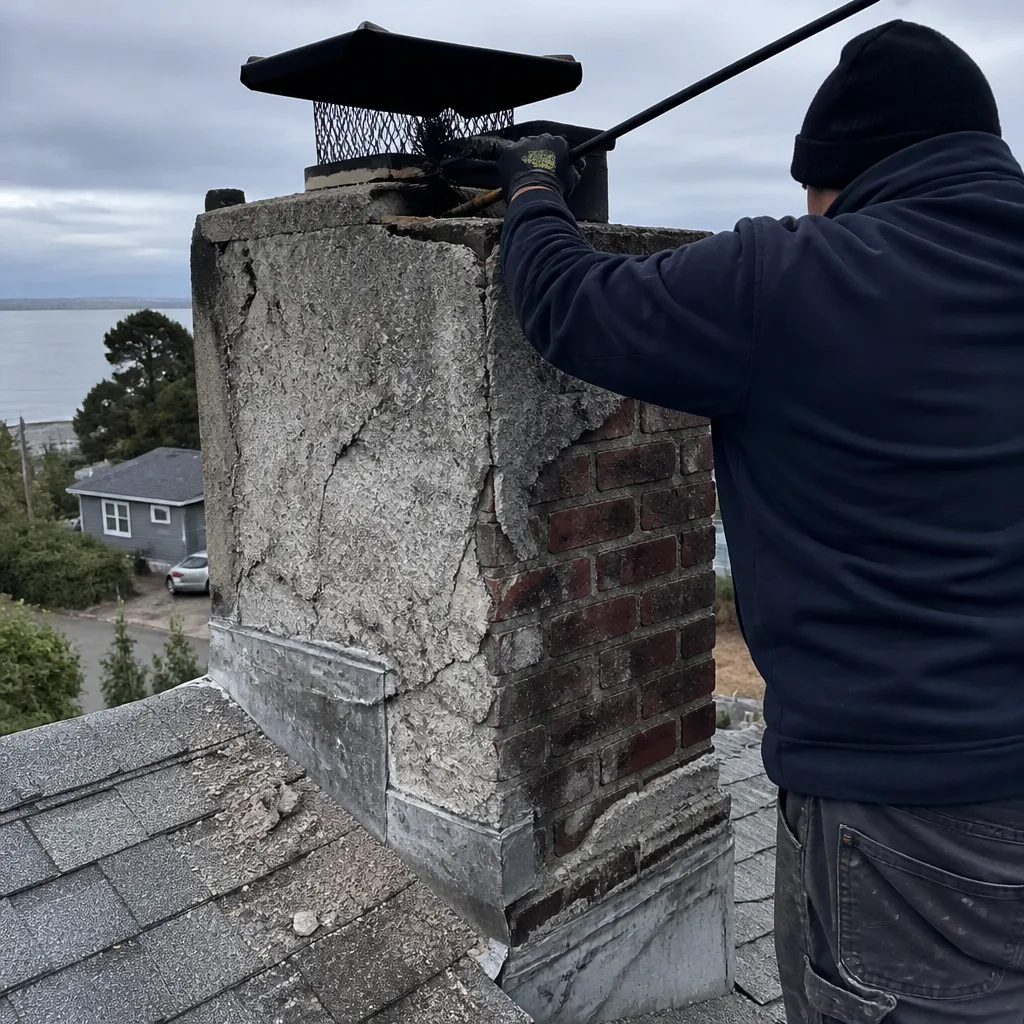
See the difference
 Before
 After
 Before
 After
 Before
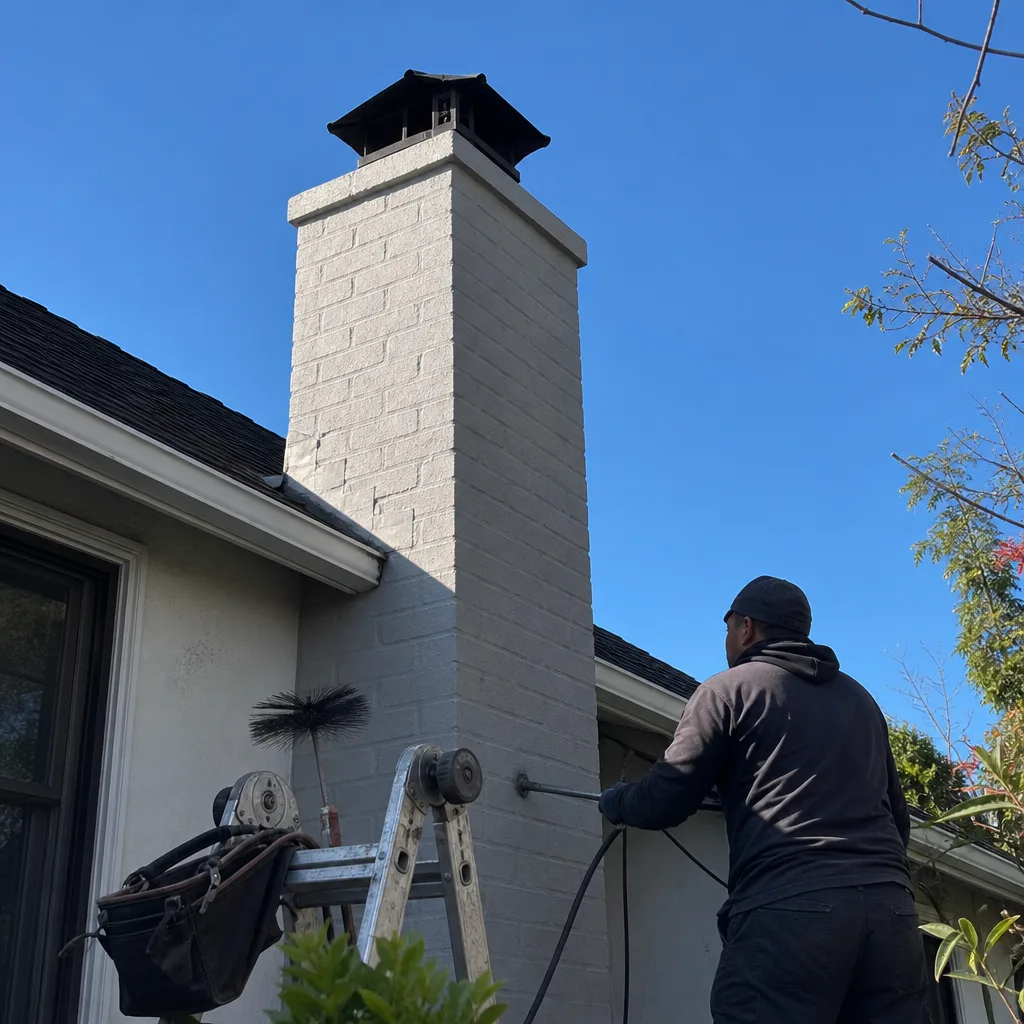 After
Common Mistakes to Avoid
- Using the fireplace after a chimney fire because it “looks fine.” The damage from a chimney fire is internal. The firebox can look completely normal while the flue liner is cracked and exposing the structure to the next burn. The only way to know is a Level 2 inspection with a video scan.
- Opening windows during a CO alarm event before evacuating. Your job is to get out. The fire department will ventilate properly. Opening windows as you leave wastes time and can spread CO unpredictably through the house while you’re still inside.
- Pouring water on a chimney fire. Thermal shock shatters flue liners and can send burning material out of the firebox. This converts a contained chimney fire into a room-and-contents fire. Never do this.
- Disabling a CO detector that “keeps going off for no reason.” The detector is not broken. Intermittent CO alarms in Sea Cliff homes are usually caused by backdrafting conditions that come and go with wind and appliance cycling. Disabling the detector removes your only warning system.
- Assuming a roof-top visual check is enough after a chimney fire. From the roof, you can see the cap and the top few inches of flue. You cannot see the middle and lower sections of the flue where most chimney fire damage occurs. Video inspection is the standard for a reason.
- Delaying the inspection because the insurance process feels overwhelming. The inspection report is the document that makes the insurance process work. It gives your adjuster the evidence they need. Waiting creates a gap in the timeline that adjusters notice and question.
- Burning damp coastal wood through a dirty flue because “it’s always worked before.” Every chimney fire in every Sea Cliff home is the first chimney fire that home has had. Past performance does not predict current creosote load. A flue can go from safe to dangerous in a single season of burning damp wood through an uncleaned chimney.
When to Call a Professional
Call a chimney professional when you’ve had a chimney fire and need a Level 2 inspection before the next burn. Call after a CO event, even if the fire department cleared the home, because the underlying draft or blockage problem still needs diagnosis. Call when smoke rolls back into the room during a burn and the problem does not resolve with the basic fixes covered in this guide. Call when you see visible debris at the chimney top, when you haven’t had the chimney swept in more than a year of regular wood burning, or when you want a written assessment of the system before the burning season starts. Sunstone Chimney Sweep offers free estimates in Sea Cliff. Call (833) 593-0743 to schedule an assessment, and tell us if you’ve had a recent emergency event so we can bring the right diagnostic equipment for the job.
Frequently Asked Questions
A standard chimney sweep in Sea Cliff typically ranges from $180 to $350 depending on the flue length, the amount of creosote buildup, and whether the chimney has any obstructions that need clearing. Post-emergency sweeps, which are required after a chimney fire, usually cost more because the creosote has been heat-hardened into a glazed layer that requires more aggressive removal techniques. Call (833) 593-0743 for an exact quote. Estimates are free, and we’ll give you a written number before any work begins.
You need both, and in that order. A sweep alone cannot detect the internal liner damage that chimney fires create. The Level 2 inspection with video scan comes first, because it identifies what the fire actually did. Then a sweep removes the remaining creosote. Then, if the inspection found damage, repairs happen before the chimney is used again. Skipping the inspection and going straight to a sweep is like changing the oil in a car with a cracked engine block. The sweep is necessary but it doesn’t address the structural problem.
At minimum, once per year for homes that burn wood regularly. Sea Cliff’s coastal humidity means firewood carries more moisture than inland wood, which produces more creosote per burn. Homes that burn more than two cords per season, or that burn unseasoned wood, often need a mid-season sweep as well. A simple rule: if you’ve burned more than a cord of wood since the last sweep, you’re due.
Creosote accumulates on the flue walls in layers. The first layer is flaky and easy to remove. The second layer is tar-like and requires professional scraping. The third layer is glazed, hardened, and burns like fuel. A flue with a glazed creosote layer is one good chimney fire away from liner failure. In Sea Cliff’s damp climate, this escalation can happen over just two to three burning seasons of deferred maintenance. The fix for a glazed flue is a more expensive sweep, and the fix for a chimney fire after that is a liner replacement. The math favors the annual sweep.
You can look, but what you’ll see won’t tell you what you need to know. From the firebox, you can see the first few feet of flue interior and the damper area. You cannot see the middle flue, the upper flue, or the flue exit without a video scan. Chimney fire damage is distributed along the full flue length, and the most serious damage is often in the upper third where temperatures peak. A professional video scan is the only way to see that section clearly. This is not a gatekeeping thing. It’s a line-of-sight problem.
Dryer vents are a real fire risk. Per U.S. Fire Administration data, dryer fires account for thousands of residential fires annually, and the leading cause is lint accumulation in the vent line. Lint is highly flammable, and a restricted vent line causes the dryer to overheat while the lint provides the fuel. We treat Dryer Vent Cleaning in Sea Cliff as a safety-critical service, not an add-on, because the whole-home fire prevention mindset doesn’t stop at the chimney.
The Bottom Line
Chimney emergencies in Sea Cliff follow patterns you can prepare for, and the right response in the first minutes significantly limits damage. A chimney fire means 911, evacuation, and a damper closed only if you can reach it safely. A CO alarm means evacuate first, call 911 from outside, and don’t re-enter until cleared. Smoke rollback means stop burning and diagnose the draft problem before the next fire. After any emergency, the Level 2 inspection with video documentation is non-negotiable, and the written report from that inspection is your insurance claim’s foundation. Sea Cliff’s coastal climate makes annual maintenance more important than average, and the early-warning habits covered here cost almost nothing. If you’ve had a chimney emergency this season, or if you’re overdue for an assessment, call (833) 593-0743. We’ll tell you what the system actually needs.
Written by the team at Sunstone Chimney Sweep, serving Sea Cliff since 2011.