
Last updated November 2, 2026
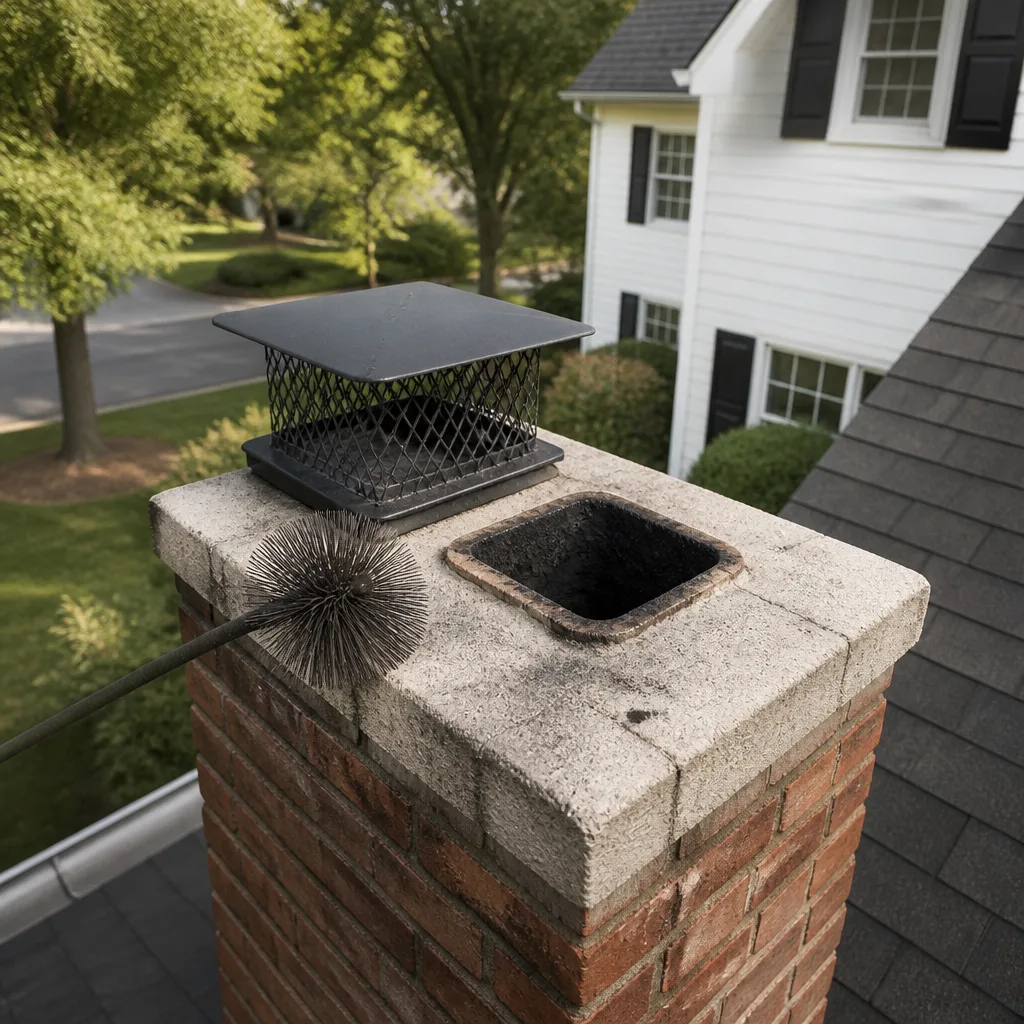 Sweep & inspection
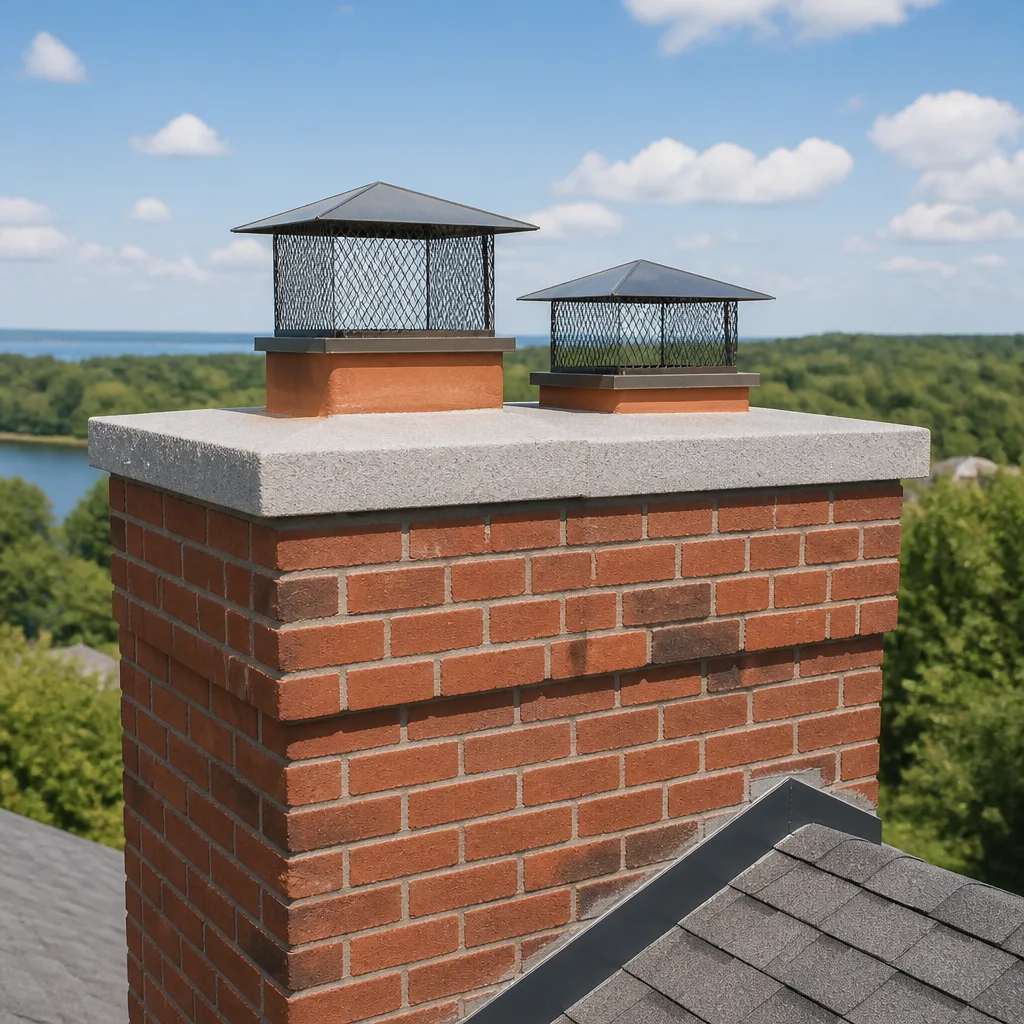 Caps & crowns
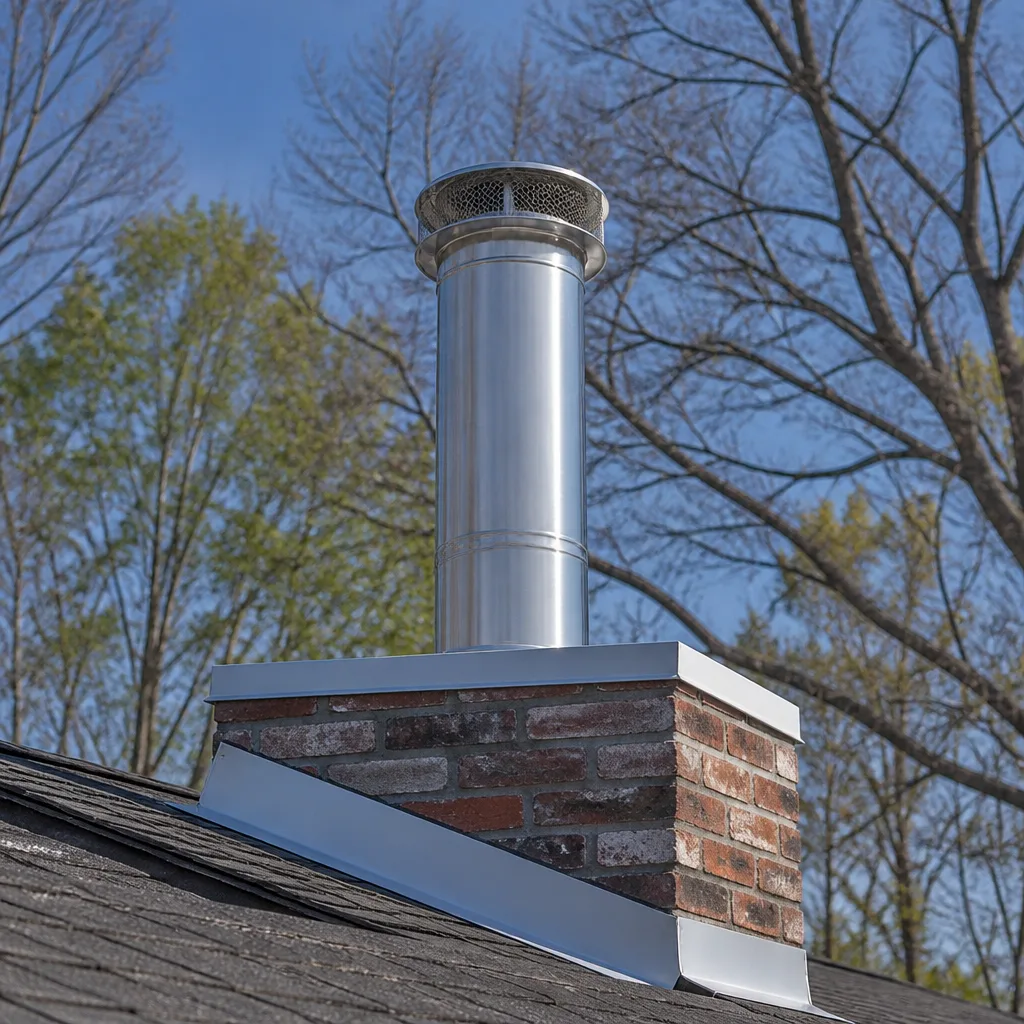 Flue relining
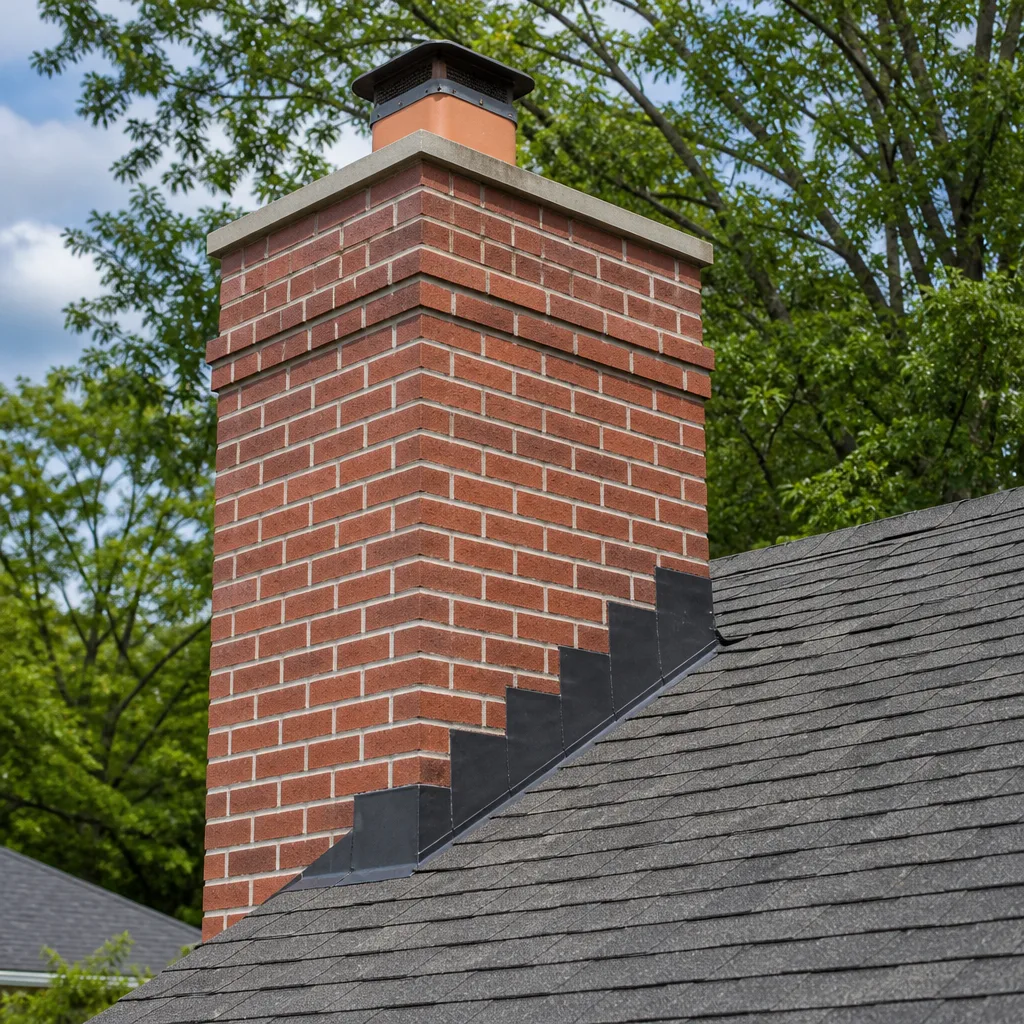 Masonry repair
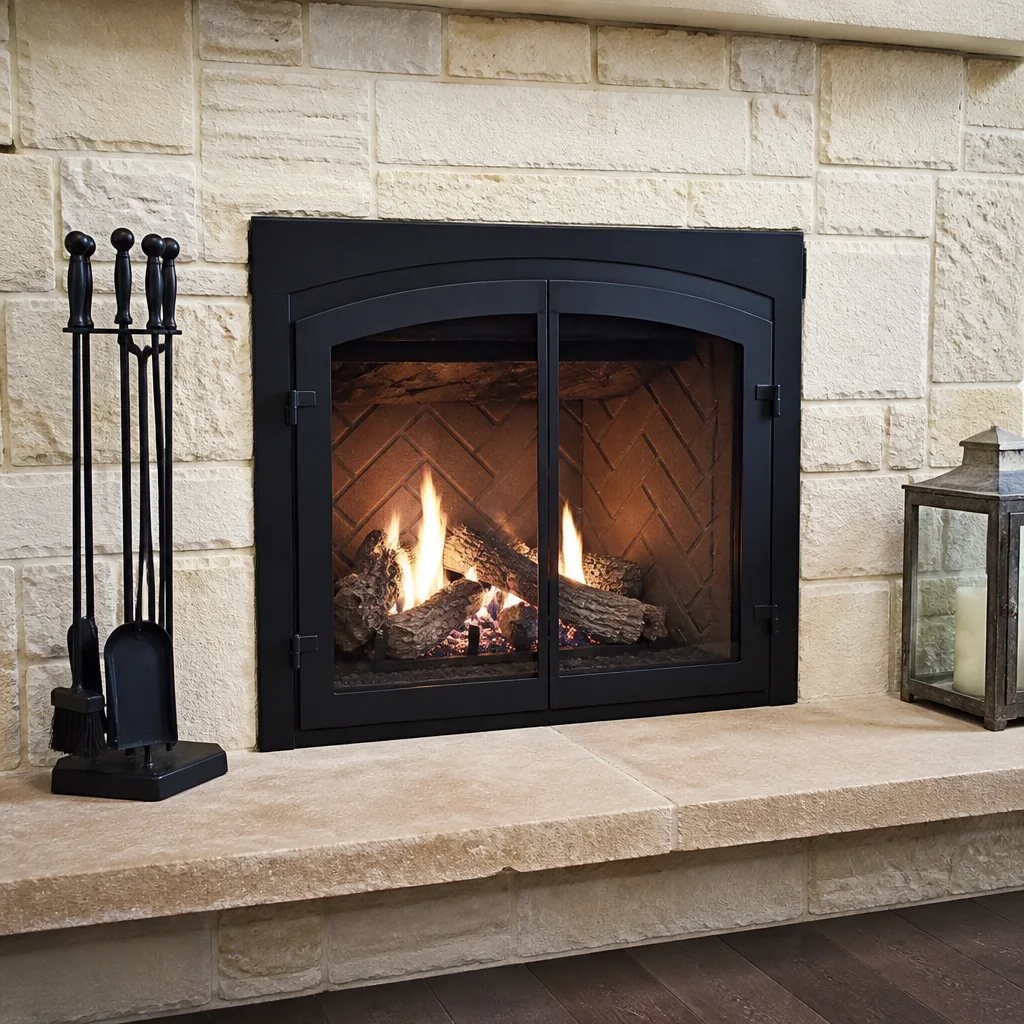 Gas fireplace service
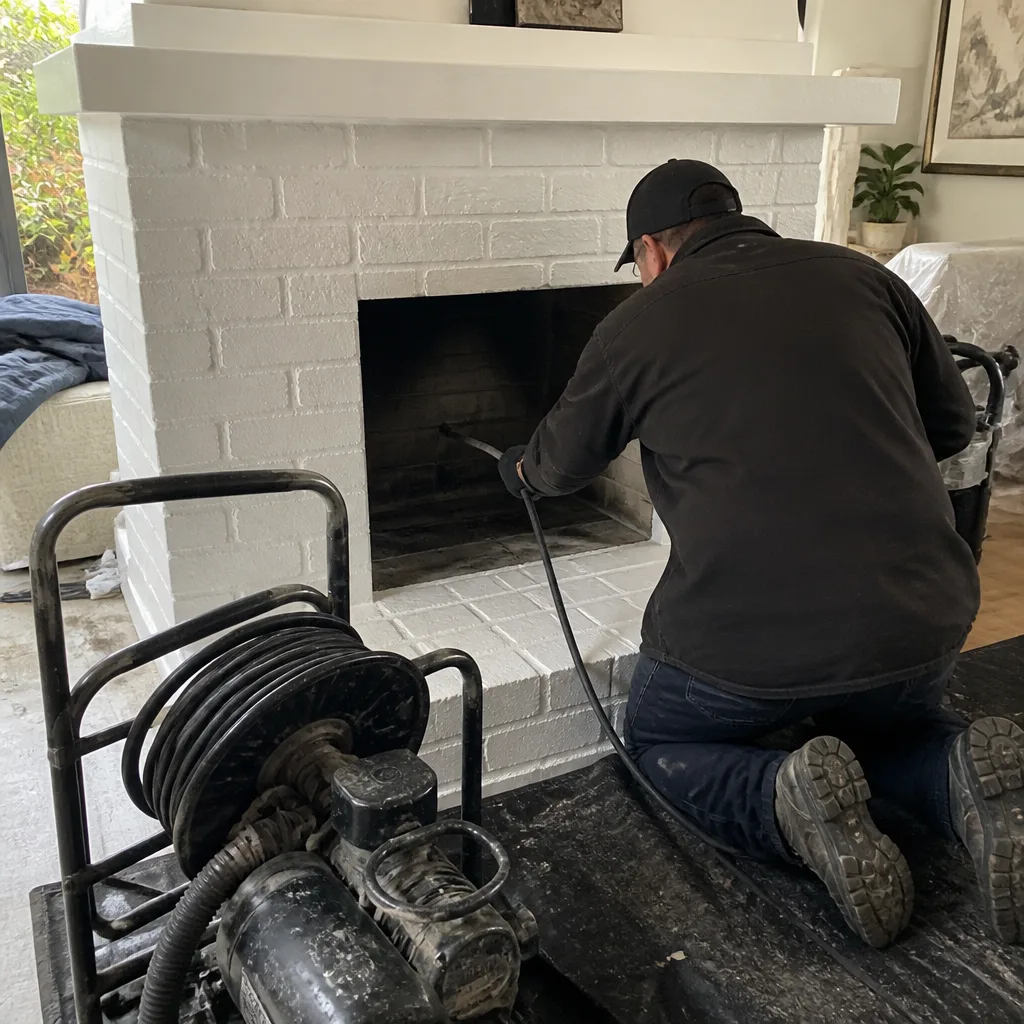
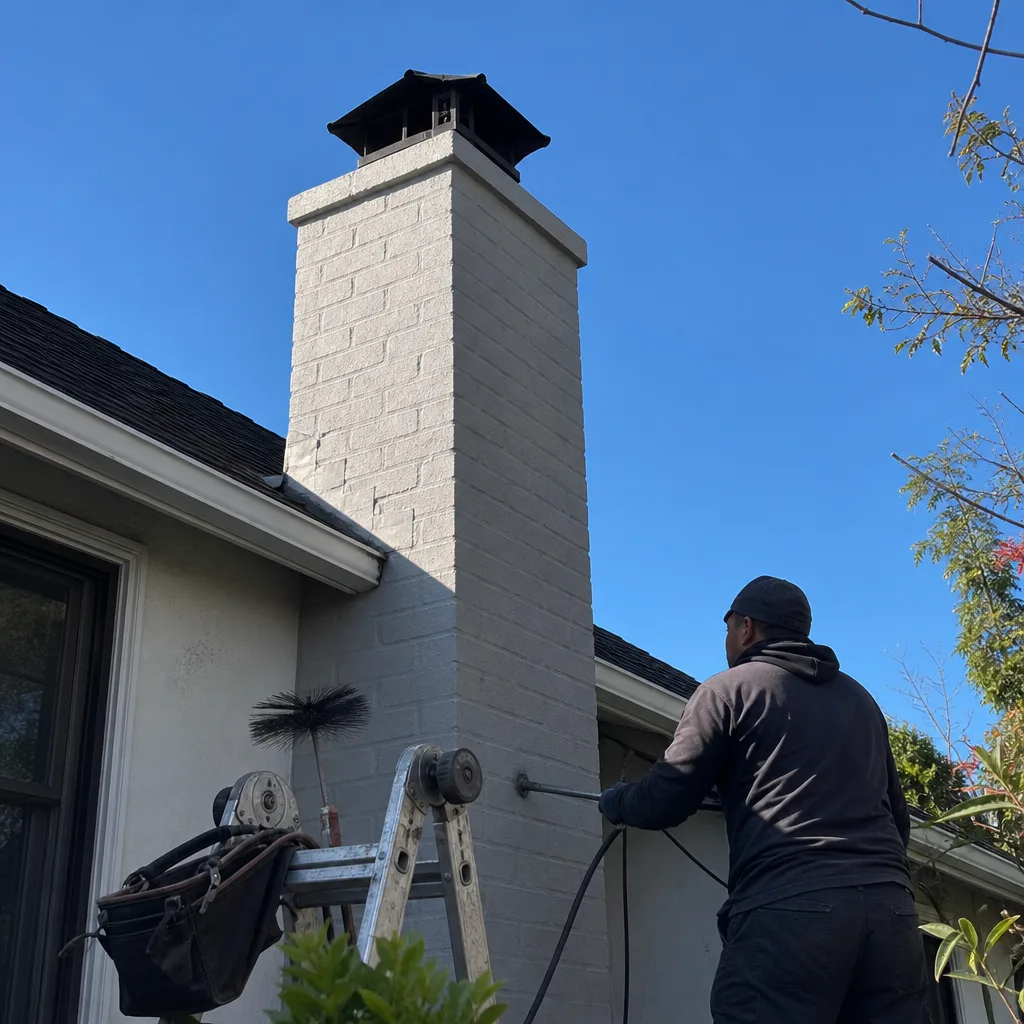
Level 1 sweep and inspection to the NFPA 211 annual standard - flue, crown, cap, and flashing checked and photographed
Chimney sweep logs do not sweep chimneys. They loosen some creosote - which then falls where a brush and vacuum still have to collect it.
Chimney Sweep Maintenance Checklist for Sea Cliff Homeowners
Here’s something most Sea Cliff homeowners don’t realize: the single checklist item people skip most often, the smoke chamber, is precisely where creosote builds up fastest and where a standard chimney brush often never reaches without deliberate effort. It’s not visible from the firebox opening without a mirror and a light, it’s awkward to access, and it sits just above the damper where temperatures fluctuate enough to turn sticky creosote into a hard, glazed layer. This guide walks you through a component-by-component maintenance checklist built specifically for Sea Cliff homes, where salt air, fog condensation, and wood-burning habits create a unique set of failure patterns we see repeatedly. For Chimney Sweep Troubleshooting: Common Problems and How to Fix Them, see our dedicated guide. You’ll learn what to check, how often each item needs attention, which findings you can assess yourself, and when a trained sweep is genuinely necessary.
Styles & brands we work with
- Sweep & inspection
- Caps & crowns
- Flue relining
- Masonry repair
- Gas fireplace service
Quick Answer
A proper Sea Cliff chimney maintenance checklist covers seven components: the crown, cap, flashing, liner, damper, smoke chamber, and firebox. Wood-burning fireplaces need Chimney Sweep services every 25 to 40 fires or annually, whichever comes first, while gas inserts can typically go two years between professional inspections, and pellet stoves need monthly ash removal plus an annual flue cleaning. Coastal air accelerates mortar and brick deterioration, so Sea Cliff homeowners should visually check the chimney exterior every three months and after any major storm.
Table of Contents
- The Crown: Your First Line of Defense Against Sea Cliff Rain
- The Chimney Cap: Small Component, Expensive Consequences
- Flashing: Where Water Gets In Without You Noticing
- The Liner: What It Does and When It Fails
- The Damper and Smoke Chamber: The Most-Skipped Items
- The Firebox and Hearth: Visible Damage, Actionable Findings
- Sea Cliff-Specific Red Flags: Salt Air, Efflorescence, and Spalling
- How Often Should You Sweep? Fuel Type Guidelines
- Documenting Findings: Building a Maintenance History
- Common Mistakes to Avoid
- When to Call a Professional
- Frequently Asked Questions
- The Bottom Line
The Crown: Your First Line of Defense Against Sea Cliff Rain
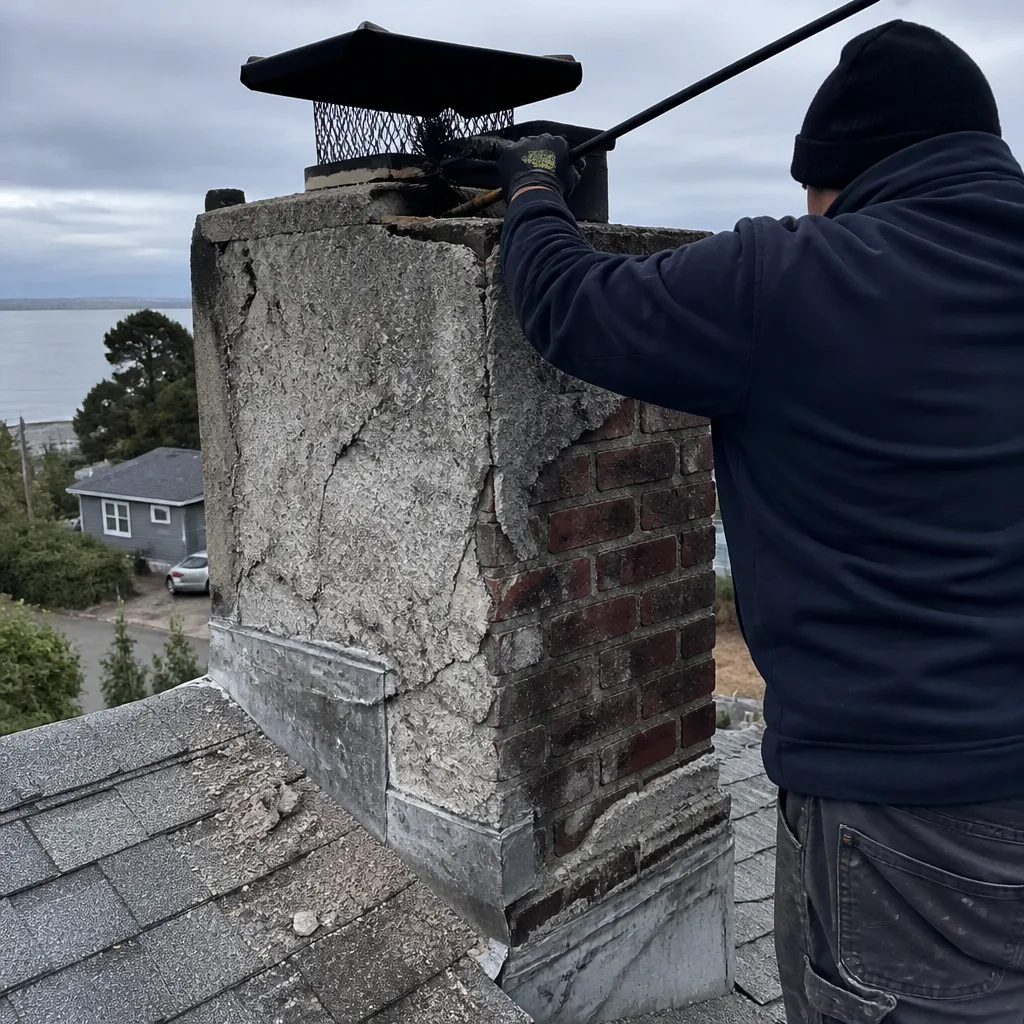
The crown is the concrete or mortar slab that caps the top of the chimney. It’s sloped to shed water away from the flue opening, and it’s the first thing to check because a cracked crown lets water into the chimney structure itself. In Sea Cliff, the crown endures a punishing cycle: fog and marine layer moisture soak into hairline cracks, then occasional downpours push water deeper, and coastal wind drives rain sideways against the chimney stack.
A crown should be examined at least twice a year, and you can do a basic assessment from the ground with a pair of binoculars if you don’t want to climb a ladder. Here’s what a pass or fail looks like:
- Pass: The crown surface is smooth or slightly textured, slopes visibly away from the flue, and shows no cracks wider than a hairline. No efflorescence (white chalky staining) on the crown surface.
- Fail: Cracks wider than a dime’s thickness, a crown that’s flat or slopes toward the flue, chunks of concrete missing from the edge, or white mineral deposits that reappear after rain.
- Watch item: A crown that’s been patched with roofing tar or caulk. These are temporary fixes that trap moisture behind them and accelerate freeze-thaw damage, even in Sea Cliff’s mild but damp climate.
We’ve replaced more crowns on Sea Cliff homes where homeowners assumed the crack was cosmetic. A cracked crown allows water to saturate the masonry below it, and once water works into the brick and mortar joints, it doesn’t dry out quickly in a coastal environment. The damage compounds over several seasons until the chimney face starts spalling. For natural gas fireplaces, the crown is still relevant; a damaged crown lets water reach the liner and gas flue components, which is where corrosion starts.
If you spot crown damage, take photos from at least two angles. This is the kind of finding a professional sweep can assess more precisely during a Chimney Sweep in Sea Cliff visit, because access from the roof allows a close-up inspection of crack depth and crown slope.
The Chimney Cap: Small Component, Expensive Consequences
A chimney cap does three jobs: it keeps rain out of the flue, it prevents birds and rodents from nesting inside, and it contains sparks that could otherwise land on your roof or a neighbor’s. Sea Cliff homeowners deal with unusual wildlife pressure: crows, scrub jays, and roof rats are all active in the area, and an uncapped chimney is an invitation. A spark arrester isn’t a luxury here; it’s a basic safety requirement.
Check the cap from the ground or a safe ladder position. Look for:
- Rust or corrosion: Galvanized steel caps eventually rust through, especially with salt air exposure. A rusted cap with holes is no longer doing its job.
- Blocked mesh: The spark arrestor mesh can clog with creosote, soot, or debris. A clogged mesh restricts airflow, which causes smoke to back up into your living space.
- Bent or shifted cap: High winds off the Pacific can shift or bend a poorly secured cap. If the cap isn’t sitting squarely on the flue, water gets in around the edges.
- Missing cap entirely: Self-explanatory, but many Sea Cliff homes we visit never had one installed in the first place.
If your cap needs replacement, we install professional-grade caps from Copperfield and Famco, the same lines chimney restoration specialists use for high-wind and coastal applications. A standard hardware store cap won’t hold up to Sea Cliff’s salt air the same way. The professional-tier caps use heavier gauge stainless or copper and have better securing hardware.
One more note on caps: if you have a gas fireplace, the cap needs to be sized correctly for the gas flue. An oversized cap on a gas system can trap condensation and cause acidic residue to eat at the flue lining inside the chimney.
Flashing: Where Water Gets In Without You Noticing
Flashing is the metal barrier where the chimney meets the roofline. It’s the most common source of chimney-related leaks in Sea Cliff homes, and the damage happens slowly. Water seeps through a failed flashing joint, travels along the chimney structure, and shows up as a water stain on the ceiling or wall near the fireplace. By the time you see the stain inside, the flashing has usually been failing for months or years.
Homeowners can check flashing from the ground or from inside the attic if you have attic access near the chimney chase. Look for:
- Rusted or corroded flashing: Salt air accelerates metal corrosion. Aluminum flashing lasts 20 to 30 years in dry climates; in Sea Cliff it may need replacement after 10 to 15.
- Separated flashing: The flashing should sit tight against the brick with no daylight visible at the seams. If you can see a gap, water is getting in.
- Caulk or tar patches: These are temporary fixes that fail quickly in a coastal environment. They indicate the flashing was leaking at some point and someone patched it instead of replacing it.
- Roofing cement failures: Roofing cement hardens and cracks over time, especially with temperature swings and moisture. If old roofing cement is flaking or pulling away from the chimney, the seal has failed.
Flashing repair is best handled by someone who can access the roofline safely and evaluate the entire chimney-roof intersection, not just the visible gap. A proper flashing replacement involves step flashing, counter flashing, and a sealed apron at the base, and each component needs to be compatible with your roof type and chimney masonry condition.
The Liner: What It Does and When It Fails
The flue liner is the inner wall of your chimney, and it has one job: to contain heat, embers, and combustion gases inside a sealed pathway from your firebox to the outdoors. An intact liner protects the surrounding masonry and the home’s structure from heat transfer, and it prevents carbon monoxide and other gases from migrating into the house through cracks in the brickwork.
Liners are made of clay tile, metal, or cast-in-place material. Clay tile is most common in older Sea Cliff homes, and clay tile is also the liner type that fails most dramatically in our climate. Here’s what happens: a chimney fire or years of thermal cycling cracks a clay tile, moisture from coastal fog works into the crack, and the crack widens. Eventually a section of tile spalls off and drops into the smoke chamber or firebox below.
From the firebox opening, you can check the liner with a bright flashlight and a small mirror. Look for:
- Visible cracks: Hairline cracks are difficult to see without a camera scope, but wider cracks catch light and shadow differently.
- Missing tile sections: If you can see a gap in the liner where a tile used to be, the liner has already failed.
- White staining on the liner surface: This is creosote glaze or mineral deposits, both of which indicate moisture or combustion byproducts not venting properly.
- Rust on a metal liner: For gas or converted systems with metal liners, rust means condensation is pooling and the liner is corroding from the inside.
When a clay tile liner fails, we offer two repair paths depending on severity: a DuraFlex flexible stainless liner if the original flue is too damaged to salvage, or HeatShield ceramic resurfacing to repair limited damage without removing the old liner. HeatShield is a specialized ceramic application we’re able to perform because we’ve invested in the training and equipment; most sweep-only services in the Sea Cliff area cannot offer it. If you’re Choosing the Right Chimney Cleaning Brand: A Buyer’s Guide for Sea Cliff, this level of capability is worth comparing. The right choice depends on the liner’s condition, the fuel type, and whether you plan to use the fireplace regularly or convert to gas.
The Damper and Smoke Chamber: The Most-Skipped Items
A checklist that stops at the cap, crown, and liner is missing two components where problems hide: the damper and the smoke chamber. The damper is the metal door just above the firebox that opens to let smoke out and closes to keep conditioned air from escaping when the fireplace is not in use. The smoke chamber is the sloped area above the damper that funnels smoke into the flue.
The damper is easy to check yourself. Open and close it several times. A damper that’s rusted shut, warped, or loose on its hinges needs service. A damper that doesn’t seal tightly when closed is quietly leaking heated air out of your Sea Cliff home during winter months, and that’s money going up the chimney. Damper replacement is more common in coastal homes because salt air works on the metal components, even when the fireplace isn’t used often.
The smoke chamber is harder to assess because it’s not reachable without a mirror and light, and even with those, you can’t see the upper portion clearly. Here’s what we look for during a professional sweep:
- Creosote accumulation: The smoke chamber is where creosote condenses fastest because the smoke is still hot enough to carry creosote but the surface is cool enough to collect it. Glazed creosote in the smoke chamber is a serious fire hazard and requires mechanical removal, not just a standard brushing.
- Corroded or missing parge coat: The smoke chamber walls should be smooth and sealed. When the parge coat erodes, smoke and heat can reach the rough masonry behind it, and creosote accumulates in the crevices.
- Debris from above: Falling tile fragments, mortar bits, and bird nesting material all collect in the smoke chamber. This debris narrows the flue opening and compromises draft.
If you’re having a chimney cleaned and the sweep doesn’t mention the smoke chamber, ask about it. A thorough sweep includes deliberate smoke chamber brushing with specialized tools, not just a standard flue brush run. This is one area where the difference between a basic sweep and a comprehensive one becomes obvious in the results.
The Firebox and Hearth: Visible Damage, Actionable Findings
The firebox is the square firebrick chamber where the fire actually burns, and the hearth is the non-combustible floor extending into the room. Both are partially visible to any homeowner, and both tell you a lot about the overall health of the chimney system if you know what you’re looking at.
Check the firebox walls and floor with a flashlight. Firebrick is designed to withstand direct flame, but it degrades over time. Look for:
- Cracked or missing firebrick: Gaps between firebricks expose the masonry behind them to direct flame. Heat then transfers into the chimney structure, which accelerates liner and mortar damage.
- Deteriorated mortar joints in the firebox: The refractory mortar between firebricks is heat-rated and can crumble after years of thermal cycling. Loose mortar between bricks means heat is reaching the structure behind the firebox.
- Spalling on the hearth: If the hearth surface is flaking, pitting, or showing signs of moisture damage, water is getting in somewhere above and working its way down through the masonry.
- White staining on the firebox floor: This is mineral efflorescence, a sign that moisture has been migrating through the masonry. It appears after the fireplace has been unused for a few weeks.
Minor firebrick cracks are not an emergency. A professional can assess whether a cracked firebrick is cosmetic or structural. But gaps where the mortar has fully deteriorated need repair before the fireplace is used again. We use Olympia Chimney refractory products and other professional-grade repair materials for firebox and smoke chamber rebuilds, which matters because standard masonry mortar cannot handle direct flame temperatures.
Sea Cliff-Specific Red Flags: Salt Air, Efflorescence, and Spalling
Living blocks from the Pacific changes how your chimney weathers. Homes that sit three miles inland may never see the same damage patterns we see regularly on Sea Cliff properties. If you recognize any of the following on your chimney, note it and monitor it, because these conditions accelerate quickly in coastal air.
Spalling brick is the first significant red flag. Spalling is when the brick face flakes away, leaving a recessed, rough surface where the smooth fired face used to be. In Sea Cliff, the mechanism is typically this: fog and rain saturate the brick, salt from the marine layer penetrates the porous surface, and the moisture-salt combination works into the brick. As the brick dries and re-saturates through daily fog cycles, the salt crystallizes and expands, and the brick face pops off. Once spalling starts, the structural integrity of the chimney is compromised, and the exposed, softer brick interior erodes faster. Spalling brick needs repair before the damage extends into the chimney’s structural core.
Efflorescence is the white, chalky mineral deposit that appears on brick and mortar after moisture evaporates. Efflorescence itself is cosmetic, but it’s a symptom: water is moving through the masonry. If you wipe efflorescence away and it returns within a few weeks, the water source is active. Repeated efflorescence cycles in Sea Cliff homes often point to crown, flashing, or cap failures.
Mortar joint erosion in a coastal environment happens faster than inland. The combination of salt, moisture, and temperature swings breaks down the binder in mortar joints, especially on the windward side of the chimney (usually west-facing in Sea Cliff). Run your finger across a mortar joint at ground-level reach. If the mortar crumbles or powders away with light pressure, the joints need repointing before water penetrates deeper.
All three of these coastal conditions are repairable, but they don’t self-correct. A chimney that shows early efflorescence and minor spalling can often be restored with professional-grade materials before the structure requires major rebuild. Waiting until brick faces are falling onto your roof is the expensive way to learn this.
How Often Should You Sweep? Fuel Type Guidelines
There’s no single correct answer for every home. Fuel type changes the sweeping frequency significantly, and Sea Cliff’s coastal humidity adds a slight modifier to every recommendation because creosote attracts moisture and becomes more corrosive in damp air.
Wood-burning fireplaces: The industry standard is a professional sweep every 25 to 40 fires, or at least once per burn season. A Sea Cliff household that uses the fireplace as a primary heat source during the cooler months might hit 40 fires by February; a household that burns occasionally on weekends might only accumulate 15 to 20 fires per season. If you’re in the second group, annual sweeping is still the right call because creosote builds up over time even with light use, and coastal dampness makes that creosote harder and more difficult to remove the longer it sits.
Wood-burning stoves: Stoves burn more efficiently than open fireplaces, which means less creosote overall, but the creosote that does form tends to be denser and harder. Sweep the stove flue every 20 to 30 fires or annually. If you hear a crackling sound in the flue that sounds like rain, that’s loose creosote flaking, and the flue needs cleaning.
Gas inserts and gas log sets: Gas systems don’t produce creosote, but they do produce acidic condensation that corrodes metal flue liners and components. A professional inspection every two years catches corrosion early. We recommend an annual safety check the first year after installation, then every two years after that. Sea Cliff gas systems see more condensation than inland systems because of the higher ambient humidity.
Pellet stoves: Pellet stoves need monthly ash removal from the burn pot and firebox, plus a flue cleaning at least once per year. Pellet exhaust is acidic and corrosive, so the flue should be checked for signs of rust or corrosion at every cleaning.
One note that applies to all fuel types: if you notice smoke backing up into the room, a persistent odor even when the fireplace is unused, or white staining on interior walls near the chimney, don’t wait for the annual schedule. These are all signs that the system needs attention now.
Documenting Findings: Building a Maintenance History
Most homeowners call a sweep when something is wrong, and the sweep sees a condition that may have been developing for years. By documenting what you observe over time, you give yourself and any professional who works on the system a baseline to measure deterioration against. This is especially important in Sea Cliff, where coastal conditions cause gradual, compounding damage that’s easy to miss when you only look once a year.
Here’s a straightforward documentation method that requires about 10 minutes every three months:
- Take dated photos. Use your phone. Stand at the same spot each time, ideally from ground level facing the chimney and from inside the firebox facing upward. Photos don’t need to be professional; they need to be consistent.
- Note any new cracks, staining, or spalling. Compare against the previous photo set. Has a crack widened? Has a new white patch appeared? Has the mortar joint erosion spread?
- Record fire usage. Keep a simple note in your phone: how many fires have you burned since the last sweep? This directly informs whether you’re due for service.
- File the documentation. A folder in your phone or a physical notebook works fine. The key is that this record exists and can be pulled up when a professional evaluates your chimney.
When you do bring in a chimney professional for a Chimney Repair in Sea Cliff, showing them your photo history gives them exactly what they need to distinguish between new damage and pre-existing conditions. It also means you’re both working from the same evidence, not just the chimney’s current appearance.
Common Mistakes to Avoid
- Skipping the smoke chamber during a sweep. Many sweeps do a fast flue brush and call it done. If the smoke chamber wasn’t deliberately brushed and inspected, creosote remains in the highest-risk area. Ask whether the smoke chamber was included before you book.
- Using hardware store chimney cleaners. The cleaning products sold for fireplace use are mostly creosote modifiers, not removers. They can help loosen creosote for professional removal, but they don’t clean a chimney on their own. Using them as a substitute for a sweep gives false confidence.
- Ignoring a small crown crack. Crown cracks don’t stay small in Sea Cliff’s damp climate. A hairline crack becomes a water pathway within a season or two, and the cost jumps from crown repair to masonry repair.
- Burning unseasoned wood. Green or damp wood produces dramatically more creosote and burns cooler. Sea Cliff’s fog means wood stored outside rarely dries properly unless it’s covered and raised. Burn wood with less than 20 percent moisture content.
- Closing the damper too soon after a fire. The damper should stay open until the fire is completely out and the embers are cold. Closing it early traps moisture and combustion byproducts in the flue, which accelerates creosote glaze formation.
- Assuming gas fireplaces need no maintenance. Gas systems have their own failure modes: corrosion from acidic condensation, soot buildup that blocks vents, and failed thermocouples. An unmaintained gas fireplace can produce carbon monoxide without producing visible smoke.
- Ignoring dryer vents because they’re not part of the chimney system. Your dryer vent is a fire hazard independent from your chimney, but it belongs on the same maintenance calendar. We handle Dryer Vent Cleaning in Sea Cliff as a core safety service, not an add-on, because lint accumulation is one of the leading appliance-related causes of residential fires.
When to Call a Professional
Some chimney work is genuinely suited to homeowner inspection, and some is not. Explore our more guides & resources for additional homeowner tips. Call a professional if you see spalled brick faces falling onto the roof or ground around the chimney, if a liner crack is visible, if the damper doesn’t open or close fully, or if there’s evidence of water staining on interior walls or ceilings near the fireplace. Any of these indicates a condition that requires specialized assessment and repair. If you haven’t had a sweep in more than a year and you burn wood regularly, schedule one before the next burn season. Sunstone Chimney Sweep offers free estimates in Sea Cliff. Call (833) 593-0743 to book an inspection, and mention what you’ve observed so we can come prepared for the specific condition.
Some chimney work is genuinely suited to homeowner inspection, and some is not. Call a professional if you see spalled brick faces falling onto the roof or ground around the chimney, if a liner crack is visible, if the damper doesn’t open or close fully, or if there’s evidence of water staining on interior walls or ceilings near the fireplace. Any of these indicates a condition that requires specialized assessment and repair. If you haven’t had a sweep in more than a year and you burn wood regularly, schedule one before the next burn season. Sunstone Chimney Sweep home offers free estimates in Sea Cliff. Call (833) 593-0743 to book an inspection, and mention what you’ve observed so we can come prepared for the specific condition.
Frequently Asked Questions
A professional chimney sweep in Sea Cliff typically runs between $180 and $340 for a standard open fireplace cleaning, with wood stoves and pellet systems falling in a similar range. Gas fireplace inspections usually cost between $120 and $200. If the sweep finds the smoke chamber heavily coated with glazed creosote or the liner requires significant mechanical cleaning, the cost may run higher because the labor is more intensive. The price difference between a basic brush-run and a comprehensive sweep that includes the smoke chamber and a full visual inspection is real, and it’s usually the difference between catching a developing problem and missing it. Call (833) 593-0743 for a specific quote on your chimney, and we’ll give you a number before any work begins.
For wood-burning fireplaces, the standard is every 25 to 40 fires or at least once per year, whichever comes first. Wood stoves should be swept every 20 to 30 fires or annually. Gas systems should be inspected professionally every two years, and pellet stoves need monthly ash removal plus an annual flue cleaning. In Sea Cliff’s coastal environment, many homeowners sweep slightly more often because creosote builds faster in higher humidity and salt air accelerates corrosion on metal components.
A homeowner can visually inspect the firebox, damper, and lower flue with a flashlight and mirror, and you can remove loose ash and soot from the firebox floor with a shop vacuum. But a proper sweep requires access to the roof, specialized brushes sized to your flue dimensions, and the training to identify liner damage, smoke chamber deterioration, and airflow problems. Attempting a DIY flue cleaning without proper equipment often pushes creosote further up the flue or misses the smoke chamber entirely, and working at roof height on a Sea Cliff home adds a fall risk that isn’t worth the money saved.
Creosote continues to accumulate with every fire, and in damp coastal air it becomes denser and harder over time. A chimney that’s gone two or three years without cleaning typically has glazed creosote deposits that require mechanical removal with specialized tools, and any water intrusion that started as a small crown or flashing crack has had time to develop into masonry damage. Skipping maintenance also means the liner isn’t being inspected, so a cracked clay tile or corroded metal liner may go unnoticed until it creates a carbon monoxide risk or becomes a fire hazard. The repair cost after several years of neglect is always higher than the cumulative cost of regular sweeps.
Gas fireplaces don’t need sweeping in the traditional sense because they don’t produce creosote. They do need periodic professional inspection and cleaning because they produce acidic condensation that corrodes metal flue liners, and soot can accumulate and block venting. A gas system that isn’t venting properly can release carbon monoxide into the home without producing any visible smoke or odor, which makes professional inspection the only reliable way to verify safety.
After a major storm, check for missing chimney caps, dislodged flashing, new spalling or cracked brick on the windward side (usually west-facing in Sea Cliff), and any water staining on interior ceilings or walls near the fireplace. Also check for debris in the firebox that may have fallen down the flue, like tile fragments or mortar bits from above. If you see any of these, take photos and call (833) 593-0743 for a professional assessment; many storm-related chimney problems are minor when caught early and expensive when allowed to compound.
The Bottom Line
A Sea Cliff chimney checklist is only useful if it covers every component and you act on what you find. Check the crown, cap, flashing, liner, damper, smoke chamber, and firebox on a regular schedule that matches your fuel type and usage. Pay particular attention to the smoke chamber, the component most often skipped and most prone to dangerous creosote accumulation. Document what you see with photos and notes so deterioration is trackable over time, and don’t wait for visible damage inside your home before calling a professional. Coastal air accelerates chimney deterioration, so Sea Cliff homeowners benefit from checking more frequently than inland neighbors. For a free estimate on any aspect of chimney maintenance or repair in Sea Cliff, call (833) 593-0743 and we’ll assess your system thoroughly.
Written by the team at Sunstone Chimney Sweep, serving Sea Cliff since 2011.
See the difference
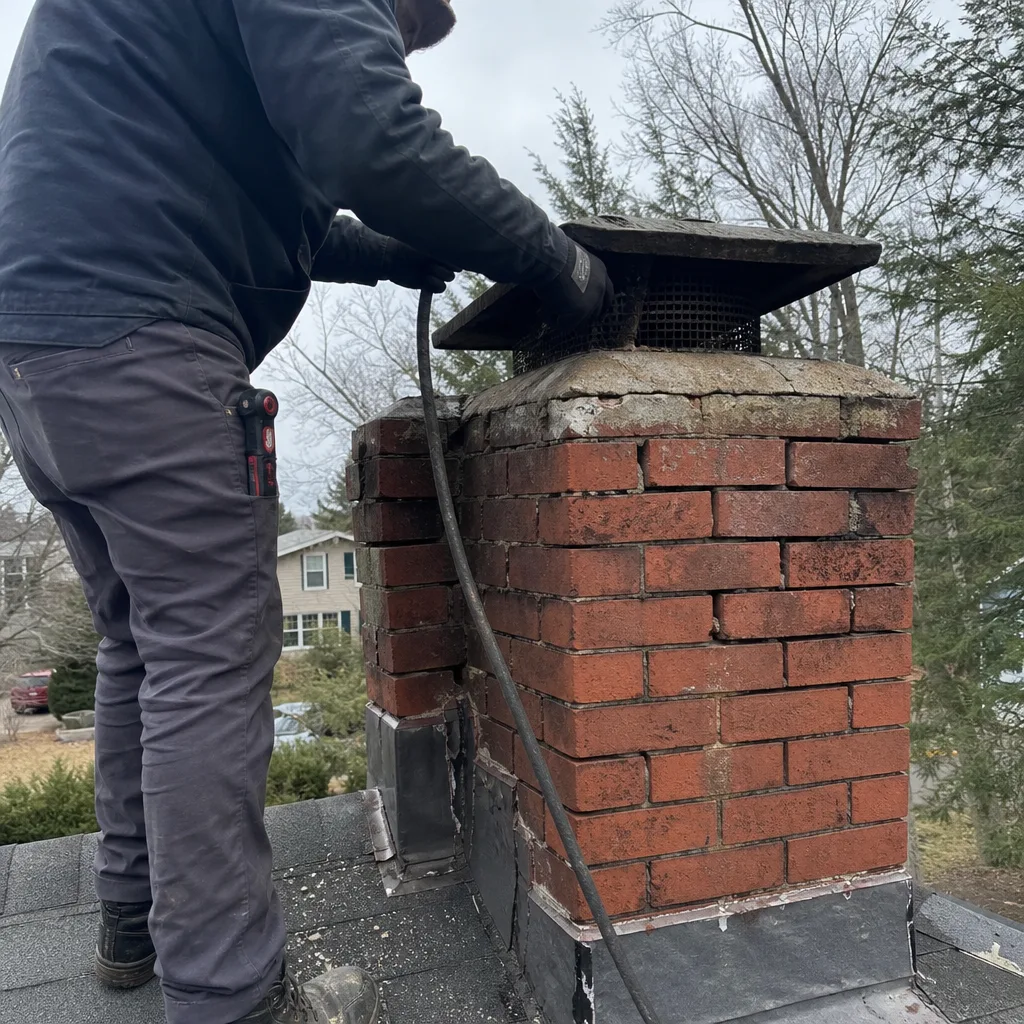 Before
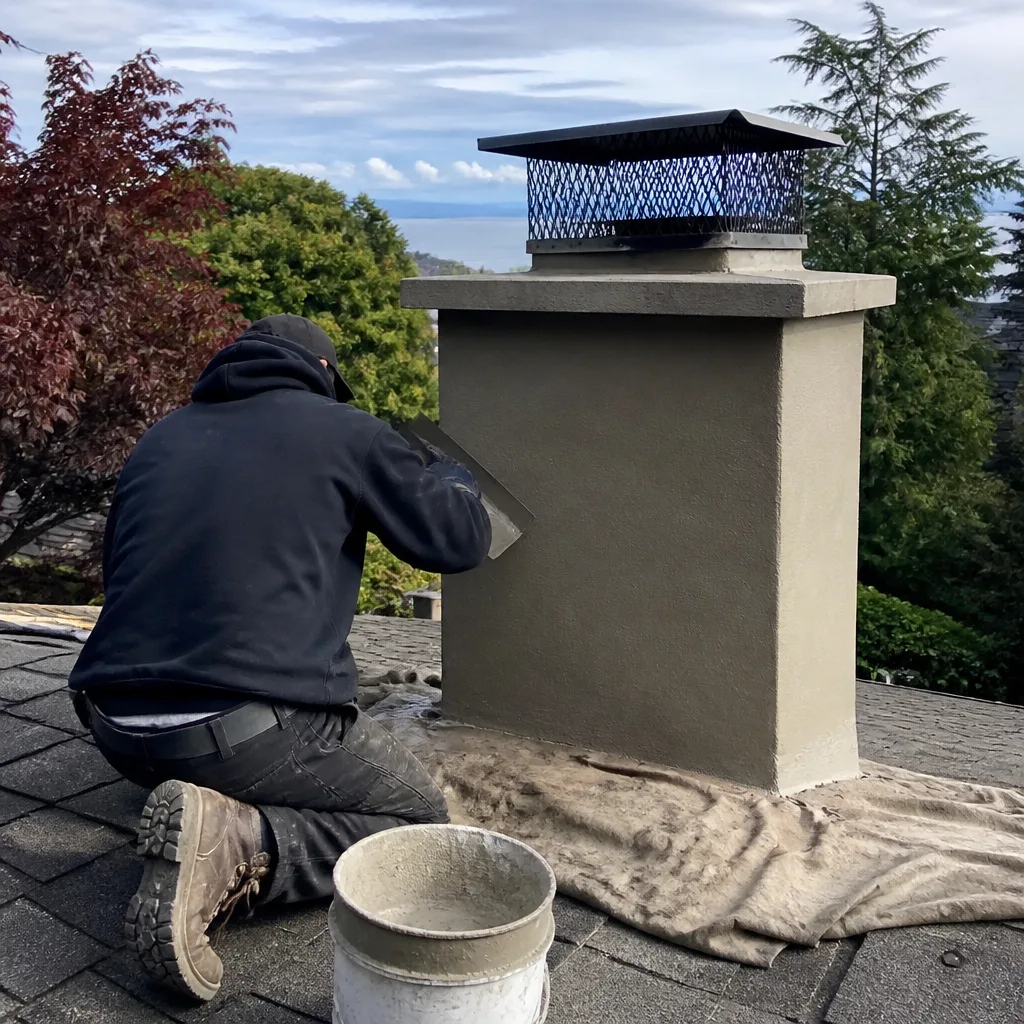 After
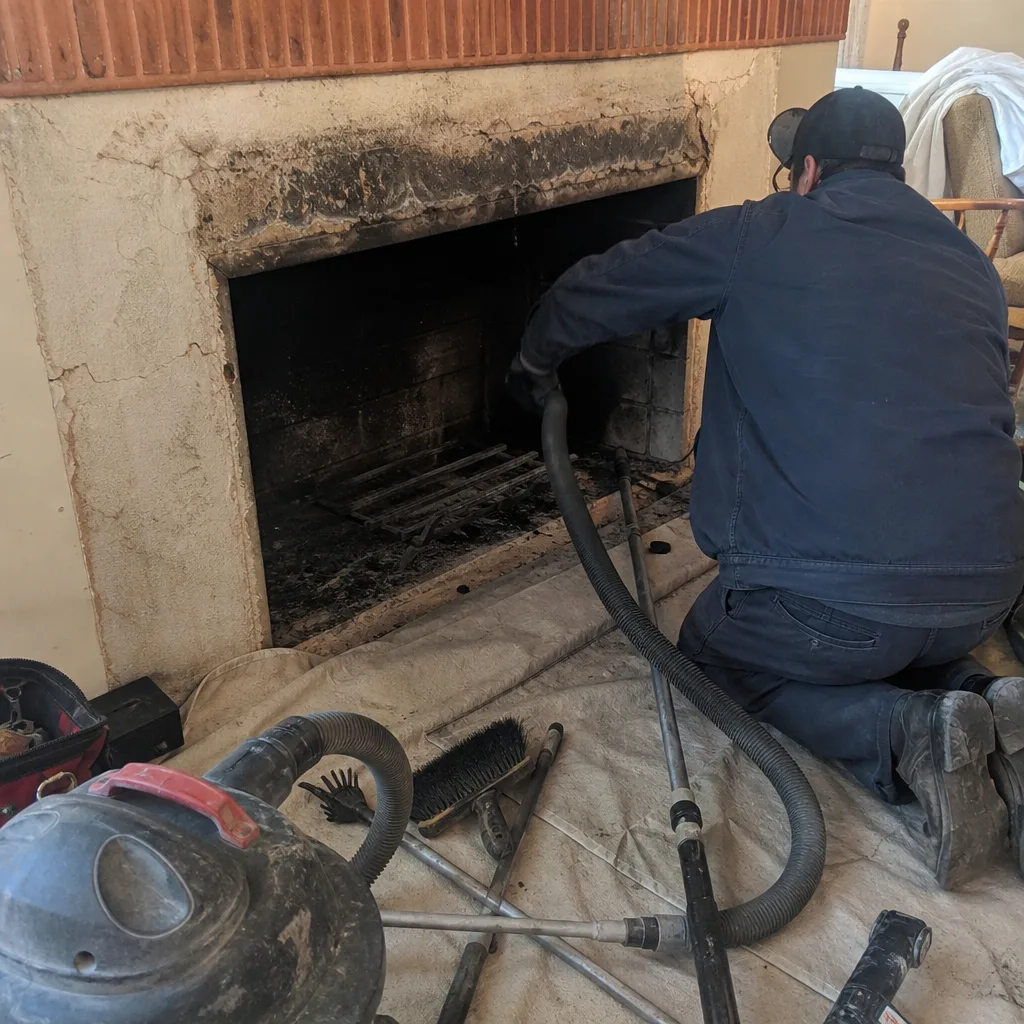 Before
 After
 Before
 After