
Last updated November 2, 2026
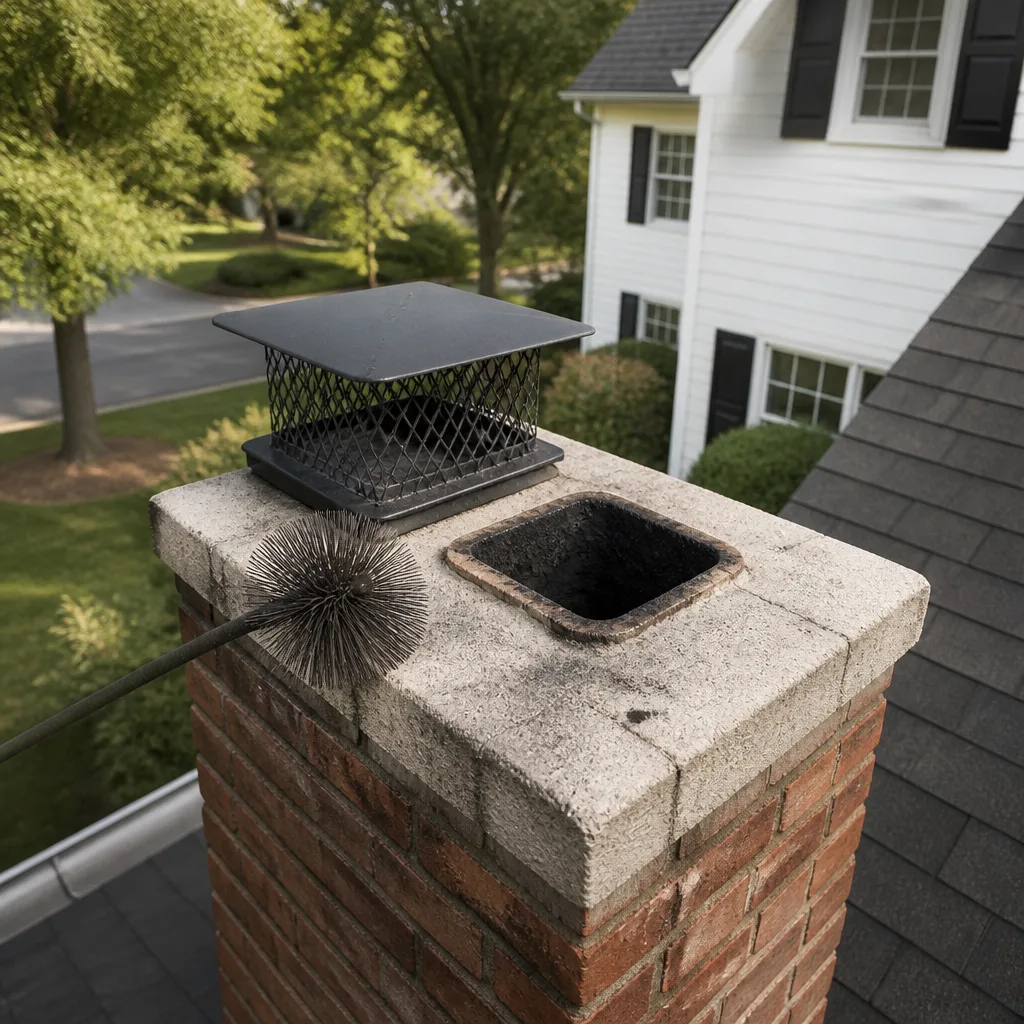 Sweep & inspection
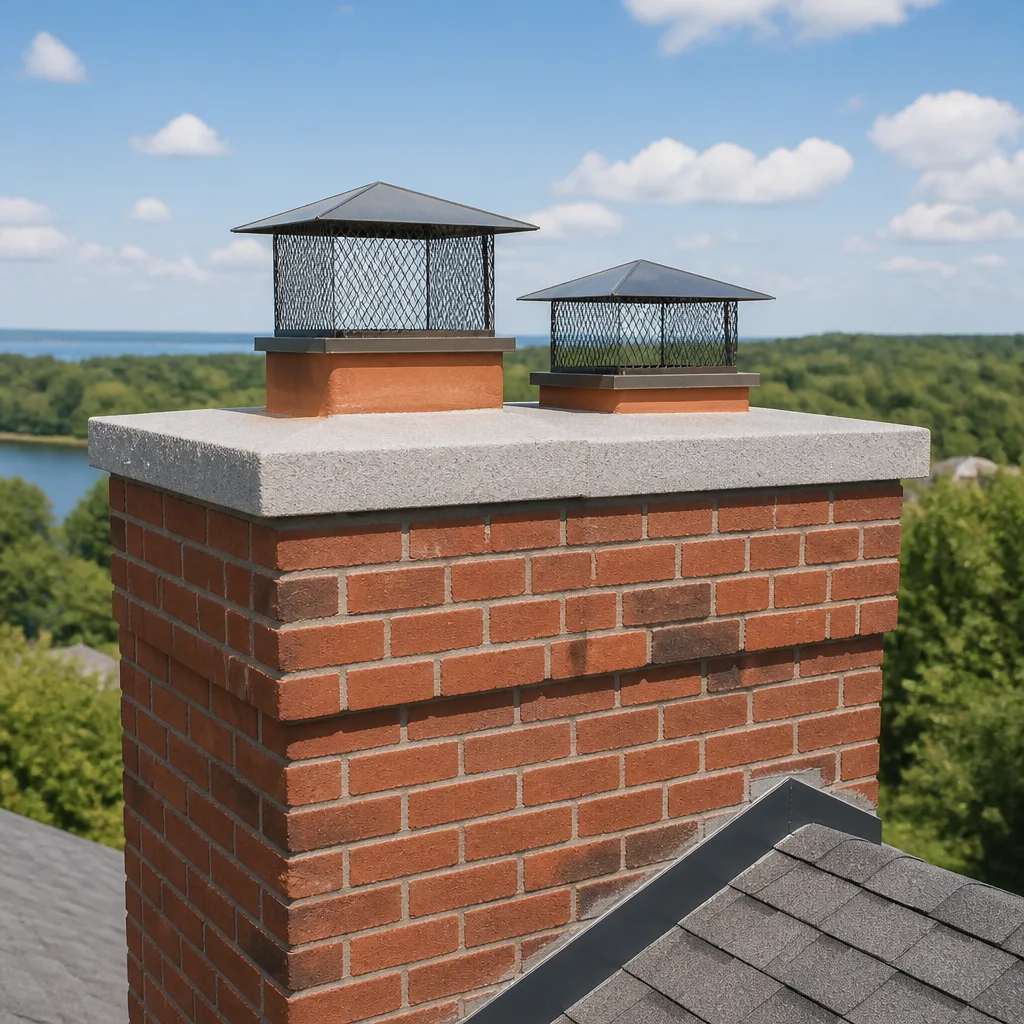 Caps & crowns
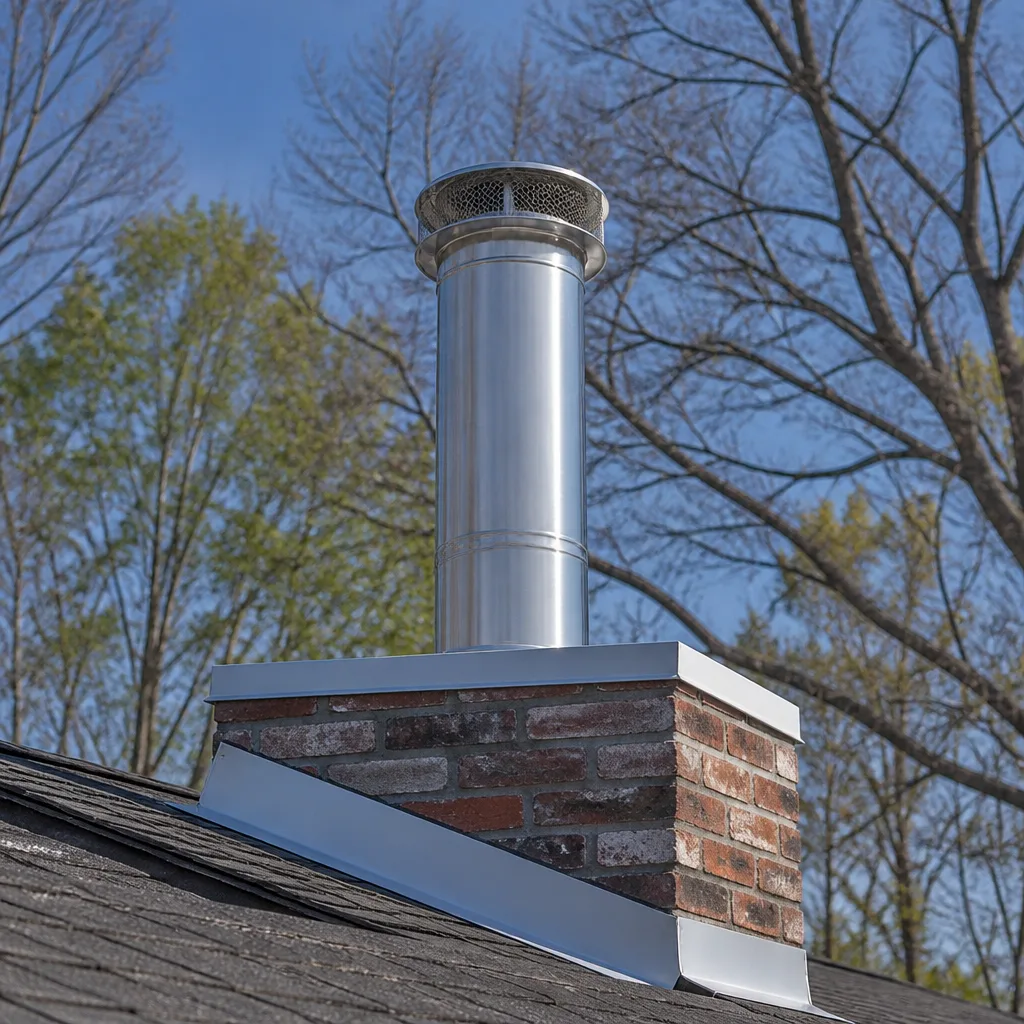 Flue relining
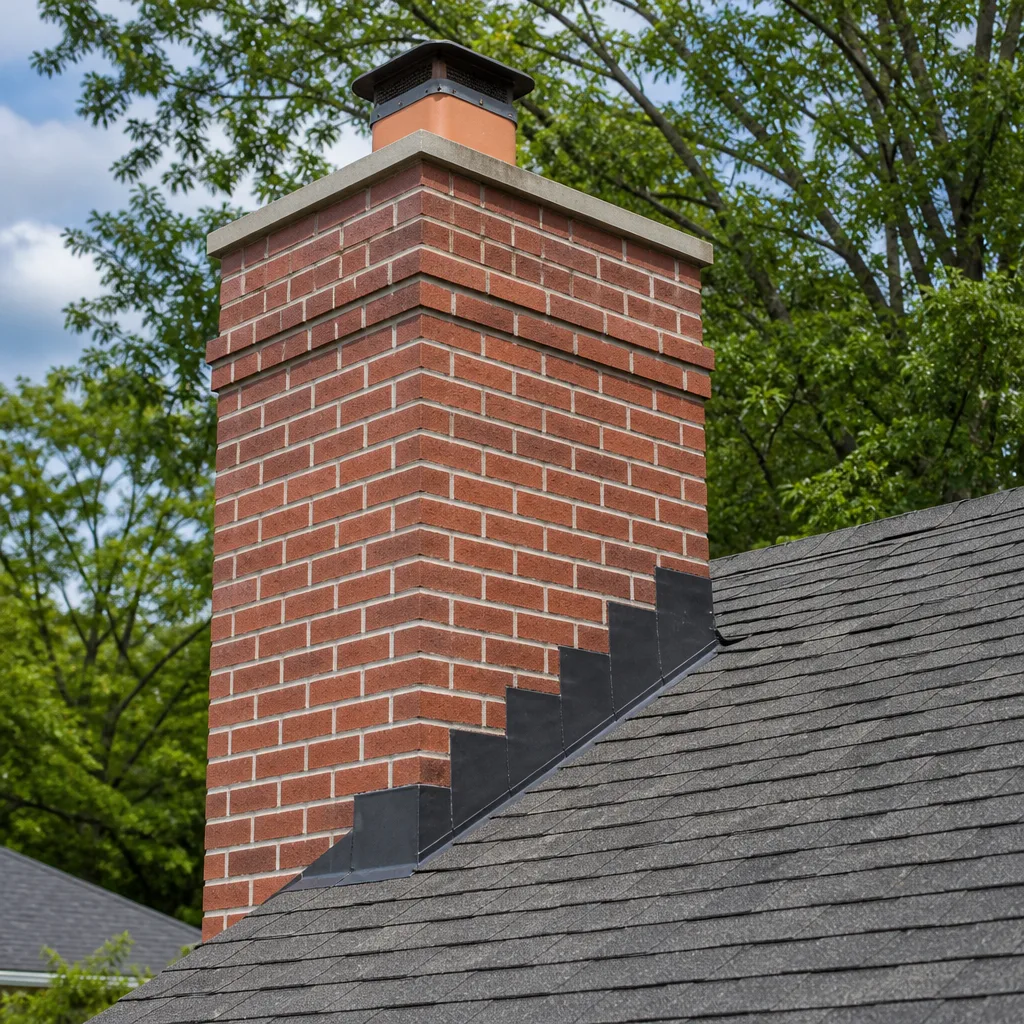 Masonry repair
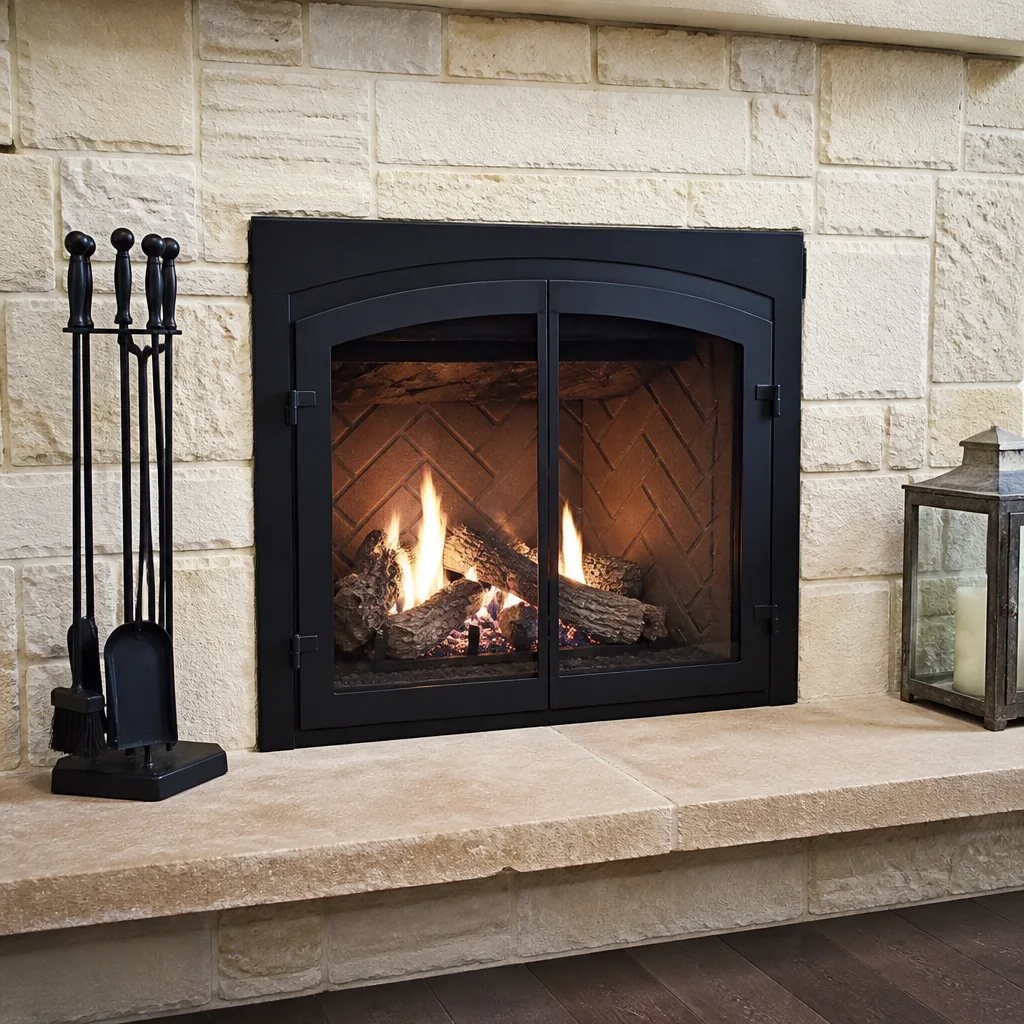 Gas fireplace service
Level 1 sweep and inspection to the NFPA 211 annual standard - flue, crown, cap, and flashing checked and photographed
Chimney sweep logs do not sweep chimneys. They loosen some creosote - which then falls where a brush and vacuum still have to collect it.
Choosing the Right Chimney Cleaning Brand: A Buyer’s Guide for Sea Cliff
Here’s something most Sea Cliff homeowners don’t realize until they’re standing in the middle of a repair quote: the brand name on a chimney service truck tells you almost nothing about whether that company does good work. The brand names that actually matter are the ones stamped on the liner system, the refractory cement, and the crown sealant they’ll install if your chimney needs more than a sweep. This guide explains the difference between choosing a service brand and choosing a material brand, and why the second decision is the one that determines whether your chimney stays safe for ten years or becomes a problem again in two.
Quick Answer
Choosing the right chimney cleaning brand in Sea Cliff means evaluating two things: the contractor’s training and scope of service, and the material brands they source for repairs. A professional contractor works with trade-grade products like DuraFlex liners and HeatShield ceramic repair from established manufacturers, not whatever is cheapest at the hardware store. Ask your contractor directly what brands they install, and listen for a specific, confident answer.
Styles & brands we work with
- Sweep & inspection
- Caps & crowns
- Flue relining
- Masonry repair
- Gas fireplace service
Table of Contents
- The Two Brand Decisions You’re Actually Making
- Material Brands That Signal Professional-Grade Sourcing
- Why Hardware-Store Parts Fail in Sea Cliff
- How to Ask a Contractor About Their Material Suppliers
- What Trade Affiliations Actually Tell You
- Why Brand Consistency Across a Repair Matters
- The Full-Service Advantage: Sweep, Repair, and Dryer Vent
- Sea Cliff-Specific Factors That Change the Math
The Two Brand Decisions You’re Actually Making
When a Sea Cliff homeowner types “chimney cleaning company how to choose” into a search bar, the word “brand” is doing two jobs at once. The first job is obvious: which company should I hire? The second job is invisible until something goes wrong: what materials will that company put inside my chimney if it needs repair?
We’ve watched this confusion play out hundreds of times. A homeowner calls around, compares pricing, maybe checks a couple of reviews, and picks a sweep. Six months later, a crack opens in the crown or the liner shows signs of deterioration, and suddenly the sweep is recommending a repair that costs more than the annual cleaning. The homeowner has no way to evaluate whether the $900 relining quote is fair, because they never asked what materials would go into the job.
Here’s the distinction that matters:
- The service brand is the company name on the truck. It signals training, experience, scope of service, and whether the crew knows Sea Cliff’s housing stock.
- The material brand is what that company installs when something needs fixing. It signals whether the contractor buys from professional trade suppliers or improvises with consumer-grade parts.
Most homeowners evaluate only the first. The smart ones evaluate both, because a contractor who cuts costs on materials will eventually cut corners on service, too. The two decisions are connected. A company that stocks DuraFlex liner components and HeatShield ceramic repair products has made a financial commitment to doing repairs correctly. That commitment costs real money in inventory and training, and it shows up in the quality of work on your roof.
In Sea Cliff, where homes range from 1930s cottages with original masonry to 1980s builds with prefab chimneys, the material question gets even sharper. Older chimneys don’t fail gracefully. They fail in ways that require a specific repair approach, and the wrong material turns a $400 fix into a $4,000 rebuild.
Material Brands That Signal Professional-Grade Sourcing
You don’t need to become a chimney engineer to evaluate a contractor’s material choices. You need to know the names that appear on professional-grade components, and you need to know what happens when a contractor installs something else.
At Sunstone Chimney Sweep, our repair work pulls from a defined trade-brand lineup. These are the same sources used by chimney restoration specialists nationwide. When a Sea Cliff homeowner asks what we’re putting into their chimney, we can name the manufacturer, the product line, and why we chose it for that specific repair.
Liner Systems
The liner is the first line of defense between combustion exhaust and the masonry or framing around your chimney. A failed liner is a fire hazard and a carbon monoxide risk. When a liner needs replacement, the material choice matters enormously.
DuraFlex flexible stainless steel liner systems are the professional standard for most residential relining jobs. The DuraFlex line includes proper connectors, top plates, and termination caps that are engineered as a system, not cobbled together from whatever fittings happen to be on the shelf. We install DuraFlex liners in Sea Cliff homes regularly, and the difference between a properly installed professional liner system and a generic flex pipe from a big-box store is visible even to a homeowner who knows nothing about chimneys. The professional system fits correctly. The generic pipe gaps, sags, and leaks.
Ceramic Repair and Resurfacing
HeatShield is a ceramic coating system applied to the inside of damaged flue tiles. It’s not a paint. It’s an engineered ceramic material that bonds to the existing flue and restores the smooth, insulated surface the flue needs to function. HeatShield application requires specific training and application equipment, which is why you won’t find sweep-only companies offering it. The service exists for one reason: relining a chimney with a stainless system isn’t always necessary, and HeatShield provides a repair path between “ignore the cracks” and “replace everything.”
Caps, Crowns, and Termination Components
The top of the chimney takes the weather year-round, and in Sea Cliff, that means salt-air exposure, rain, and temperature swings between cold foggy mornings and warm afternoons. Professional-grade chimney caps and crown products from manufacturers like Olympia Chimney and Famco are built to handle that exposure without rusting out or cracking within a few seasons. Copperfield products round out the professional lineup for specific venting and termination needs.
What all these brands share: they’re sold through chimney trade supply channels, not consumer retail. A contractor has to be active in the trade to source them. That’s exactly the signal you’re looking for.
Why Hardware-Store Parts Fail in Sea Cliff
The fastest way to understand why material brands matter is to look at what happens when a contractor uses whatever is cheapest and easiest to get. In Sea Cliff, the climate makes these failures happen faster than they would in dryer inland areas.
Sea Cliff sits directly on the Pacific coast. The marine layer rolls in most mornings, and salt-laden humidity circulates through every neighborhood from the bluffs down to the shoreline streets. Salt air accelerates corrosion on metal components, and the repeated wet-dry cycle stresses masonry, concrete crowns, and sealants that would hold up fine in a Sacramento suburb.
Here’s what we see when hardware-store improvisation meets Sea Cliff’s climate:
- Generic flexible liner pipe corrodes within three to five years. The thin-wall material isn’t rated for long-term combustion exhaust exposure, and salt air attacks it from both the outside environment and the acidic condensate that forms inside the flue.
- Consumer-grade chimney caps from retail stores use thin sheet metal and basic fasteners. Within two seasons, the fasteners rust through, and on the next windy day, the cap bends or flies off entirely, leaving the flue open to rain, birds, and debris.
- Big-box refractory cement is formulated for general masonry repair, not combustion flue environments. It spalls and cracks under repeated heating cycles, and you’re back to square one within a year or two.
- Mismatched crown sealant doesn’t bond properly to the existing crown surface, and the first freeze-thaw cycle of the next winter opens a crack that lets water into the chimney structure.
No reputable contractor wants to be called back for the same repair every two years. A contractor who uses consumer-grade materials is either pricing themselves into a market segment that can’t support professional parts, or they don’t have access to trade suppliers. Either way, that contractor is not the right choice for a Sea Cliff home where the chimney system needs to perform for years between service visits.
How to Ask a Contractor About Their Material Suppliers
This is the section where you learn the exact questions that separate a professional chimney contractor from a brush-and-go operation. None of these questions are confrontational. They’re just specific, and a professional will answer them without hesitation because the answers are second nature.
Here’s the step-by-step approach we recommend to Sea Cliff homeowners evaluating any chimney service:
- Ask what liner brands they install. A professional answer sounds like “DuraFlex flexible stainless systems” or “we use HeatShield for ceramic resurfacing when the flue tiles are damaged.” A weak answer sounds like “we can get whatever you need” or “we use a standard liner.” The second response means the contractor is buying from a retail shelf, not a trade supplier.
- Ask whether they do repairs in-house or subcontract them out. Many sweep-only companies don’t do structural repair at all. They clean, they note the damage, and they refer you to someone else. That’s not necessarily dishonest, but it means you’ll be coordinating two contractors, paying two service fees, and dealing with two separate schedules. A full-service company handles the entire scope in one visit.
- Ask about the warranty on repair work. The warranty is only as good as the material behind it. A professional contractor who installs a professional liner system from a manufacturer like DuraFlex can offer a real warranty because the manufacturer stands behind the product when it’s installed by a trained technician. A contractor installing generic parts can’t offer much beyond “call me if something goes wrong.”
- Ask what happens if they find something during the sweep. Listen carefully to this answer. A full-service company will describe a process: they’ll document the issue with photos, explain what they found, show you the scope, and quote the repair. A sweep-only company will either hand you a card for another contractor or tell you the problem is “not too bad yet.” Neither response helps you.
The goal here is not to interrogate someone. It’s to determine whether the person you’re talking to has made a professional investment in doing the work correctly. The material brands they name are the evidence.
What Trade Affiliations Actually Tell You
Certifications and trade memberships are a useful signal, but only if you understand what they actually measure. The confusion comes from treating all credentials as equal, which they are not.
The organizations that matter in the chimney trade are the National Chimney Sweep Guild (NCSG), the Chimney Safety Institute of America (CSIA), and the National Fireplace Institute (NFI). Each serves a different purpose:
- NCSG is the trade association for chimney professionals. Membership signals that a contractor participates in the industry beyond just running jobs. It connects members to training, technical resources, and updates on building codes and safety standards.
- CSIA runs the most recognized credentialing program for individual sweeps. A CSIA-certified technician has passed an exam covering inspection procedures, fire safety, and system anatomy. Certification requires continuing education to maintain.
- NFI certifies technicians in specific fuel types: wood, gas, and pellet. An NFI certification is especially relevant in Sea Cliff because many homes have converted from wood to gas, and the two systems have different safety requirements and venting needs.
Here’s what these affiliations actually correlate with: access to professional materials. NCSG membership and CSIA certification expose a contractor to the trade supply ecosystem. Certified technicians attend trainings where manufacturers like DuraFlex and HeatShield demonstrate their products and teach installation standards. A contractor with no trade affiliations is far less likely to have that exposure, which means they’re far less likely to source professional-grade repair materials.
The credential itself doesn’t guarantee good work. Nothing does. But it’s a reasonable indicator that the person showing up at your Sea Cliff home has invested time and money in learning the trade, and that investment typically extends to buying proper materials.
Why Brand Consistency Across a Repair Matters
Here’s a detail almost no homeowner thinks about: when a chimney repair involves multiple components, those components should come from the same manufacturer whenever possible.
A chimney repair might include a new liner, a termination cap, a crown sealant, and a rain pan or chase cover. If those four pieces come from four different manufacturers, each one was engineered independently. The liner manufacturer tested their product with their own top plate and cap. The cap manufacturer tested their product with their own mounting system. When you mix and match, you’re creating a system that no one actually tested together.
This matters for two reasons. First, fitment. A professional liner system from DuraFlex includes top plates, connectors, and termination caps designed to work together. The tolerances are correct, the fastening points line up, and the whole assembly sits properly on the chimney. When a contractor substitutes a generic cap onto a professional liner, the fit is approximate, and an approximate fit at the top of a chimney is an opening for water, birds, and sparks.
Second, warranty coverage. Manufacturers warranty their products based on proper installation within their system. If a liner fails because a mismatched cap allowed water ingress, the liner manufacturer can reasonably point to the wrong cap as the cause and deny the claim. A repair that uses consistent components from one professional manufacturer avoids that trap.
When you’re evaluating a repair quote from a Sea Cliff contractor, ask whether the components come from the same manufacturer. A professional answer is yes. A blank look or a hand-wave means the contractor is building your repair from whatever is on the truck that day.
The Full-Service Advantage: Sweep, Repair, and Dryer Vent
The purest version of the “brand” confusion shows up when a homeowner needs more than one service done. Chimney sweeping, chimney repair, and dryer vent cleaning all live under the umbrella of “fire safety,” and they’re all handled by different specialists in many markets. In Sea Cliff, coordinating three different companies for three interconnected jobs is expensive, slow, and creates gaps where no one takes responsibility for the whole system.
A full-service chimney and venting company handles all three scopes with one team. The practical benefits:
- One visit, one schedule, one service fee. When a sweep reveals damage that needs repair, the repair happens with the same crew, on the same timeline, without a referral chain.
- Consistent standards across every service. The same people who clean your chimney understand how the chimney interacts with your dryer vent. Whole-home venting is a system, and treating it as one system rather than three disconnected jobs produces better outcomes.
- Photographic documentation gets shared, not stashed. A full-service company invests in camera equipment for the same reason they invest in good materials: it supports the entire service model. You should see photos of your flue before and after cleaning, and you should see the specific damage that justifies any repair recommendation.
Dryer vent cleaning deserves a specific mention here. It’s one of the leading appliance-related causes of residential fires in the United States, per U.S. Fire Administration data. Dryer vent cleaning in Sea Cliff is a safety service, not an upsell, and it’s one of the three core services we handle alongside chimney sweeping and repair. If a contractor treats dryer vent cleaning as an afterthought, they’re missing a significant source of preventable house fires in the exact homes they’re already servicing.
Sea Cliff-Specific Factors That Change the Math
Sea Cliff is not a generic coastal town, and the chimney decisions here are not generic. Several local factors shift how you should evaluate both the service brand and the material brand.
Climate and Salt Air
The constant salt-laden humidity from the Pacific accelerates corrosion on chimney caps, flashing, and exposed metal components. The marine layer that rolls through Sea Cliff most mornings means masonry stays damp for hours at a time, even during dry stretches. When the fog burns off and the sun hits the chimney, the surface dries rapidly, and that repeated wet-dry cycling opens hairline cracks in crowns and mortar joints that would stay sealed for years in a drier climate.
What this means for material choice: you want stainless steel components, not galvanized steel, and you want ceramic systems like HeatShield that are engineered for flue environments, not generic masonry patching compounds. The right materials hold up to the marine environment. The wrong ones fail faster here than almost anywhere else in the Bay Area.
Housing Stock and Chimney Types
Sea Cliff’s homes span multiple building eras, and the chimney systems vary accordingly. Older homes from the 1920s and 1930s typically have traditional masonry chimneys with clay flue tiles, and those tiles crack over time under the combined stress of our climate and decades of use. Mid-century and newer homes often have prefabricated chimney systems that use completely different materials and have different failure modes. A contractor who understands both system types, and who has access to repair materials for both, is worth more than a contractor who only services one type.
Access and Safety Considerations
Some Sea Cliff homes are built on sloping lots with roof access that requires more care than a straightforward suburban roofline. Steep pitches, narrow setbacks, and landscaping that has grown in around the chimney all complicate the job. A professional contractor arrives with the right equipment for the specific access challenge and knows how to protect the roof, the gutters, and the surrounding landscape during the work. This is a practical consideration that separates experienced crews from day-labor crews, and it’s part of what you’re paying for when you hire a professional chimney sweep serving Sea Cliff.
Common Mistakes to Avoid
- Choosing a contractor on price alone. The cheapest sweep in Sea Cliff is almost certainly cutting costs somewhere, whether it’s materials, training, or insurance. Chimney work is not a commodity, and the price spread between a proper service and a corner-cutting one is small relative to the cost of a chimney fire or a failed repair.
- Never asking about repair materials. Most homeowners learn what’s inside their chimney only after something has already gone wrong. Asking up front, before you need a repair, tells you whether the contractor you’re hiring has professional sourcing habits or retail-store habits.
- Assuming all certifications are equal. A generic business license is not a chimney credential. Look for trade-specific certifications and memberships, and understand what they actually verify.
- Skipping the camera inspection documentation. If a contractor recommends a repair, they should be able to show you photographic evidence. A verbal description of chimney damage is not documentation. Ask for photos.
- Deferring maintenance until the chimney is visibly failing. By the time you see spalling brick, water stains on the ceiling, or smoke backing into the room, the repair scope has already expanded significantly. Annual cleaning and inspection catches problems when they’re still small.
- Treating dryer vent cleaning as optional. The dryer vent is part of your home’s venting system, and it’s a leading cause of residential fires. Skip it at your own risk.
- Hiring separate contractors for connected scopes. A sweep who can’t repair, or a repair specialist who doesn’t clean, creates coordination overhead and leaves gaps in responsibility. One full-service team handles the whole system.
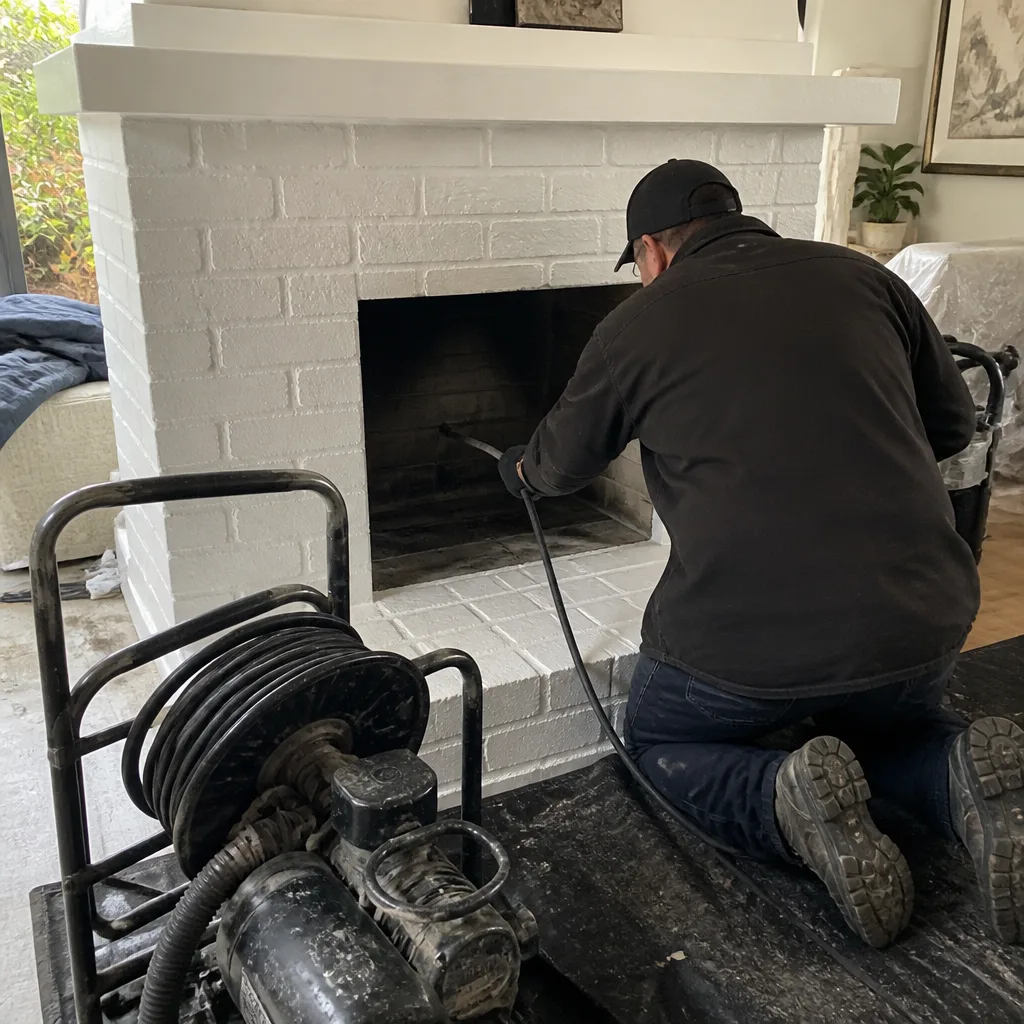
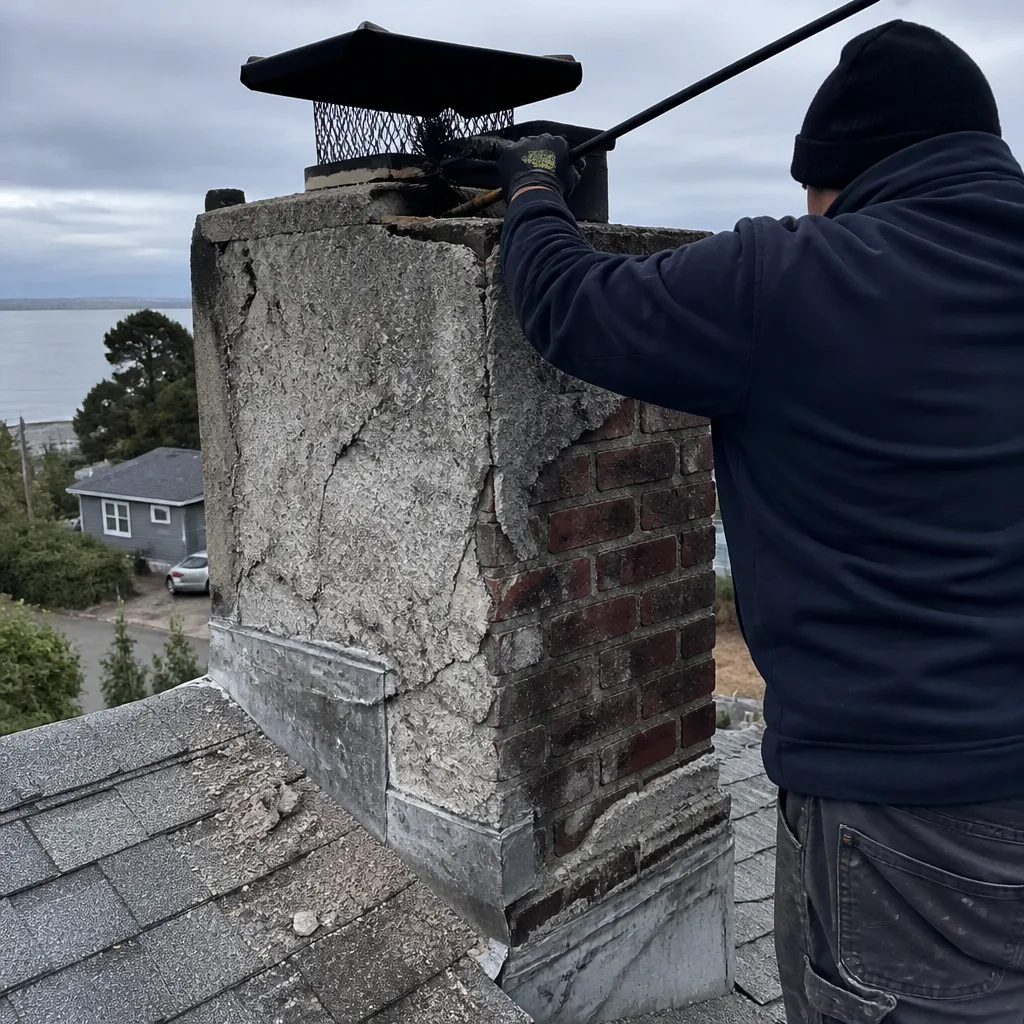
See the difference
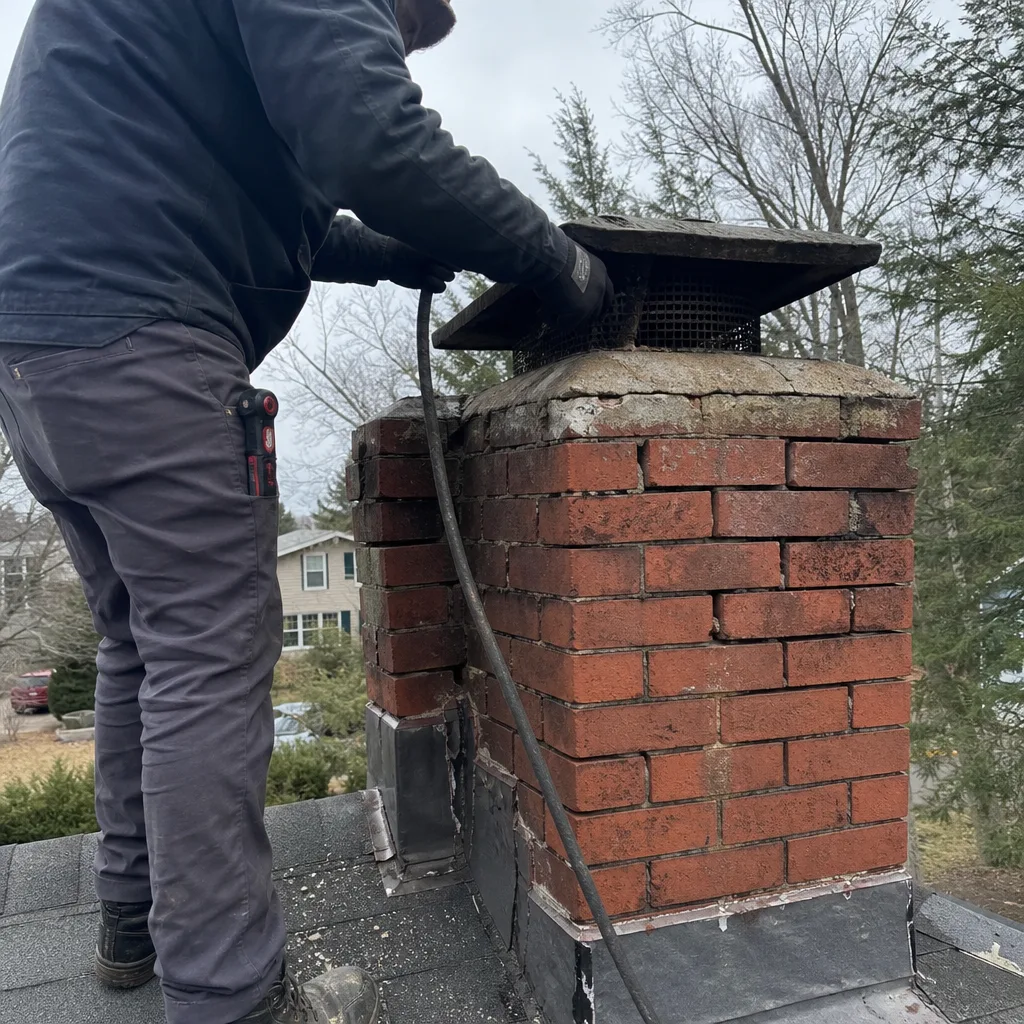 Before
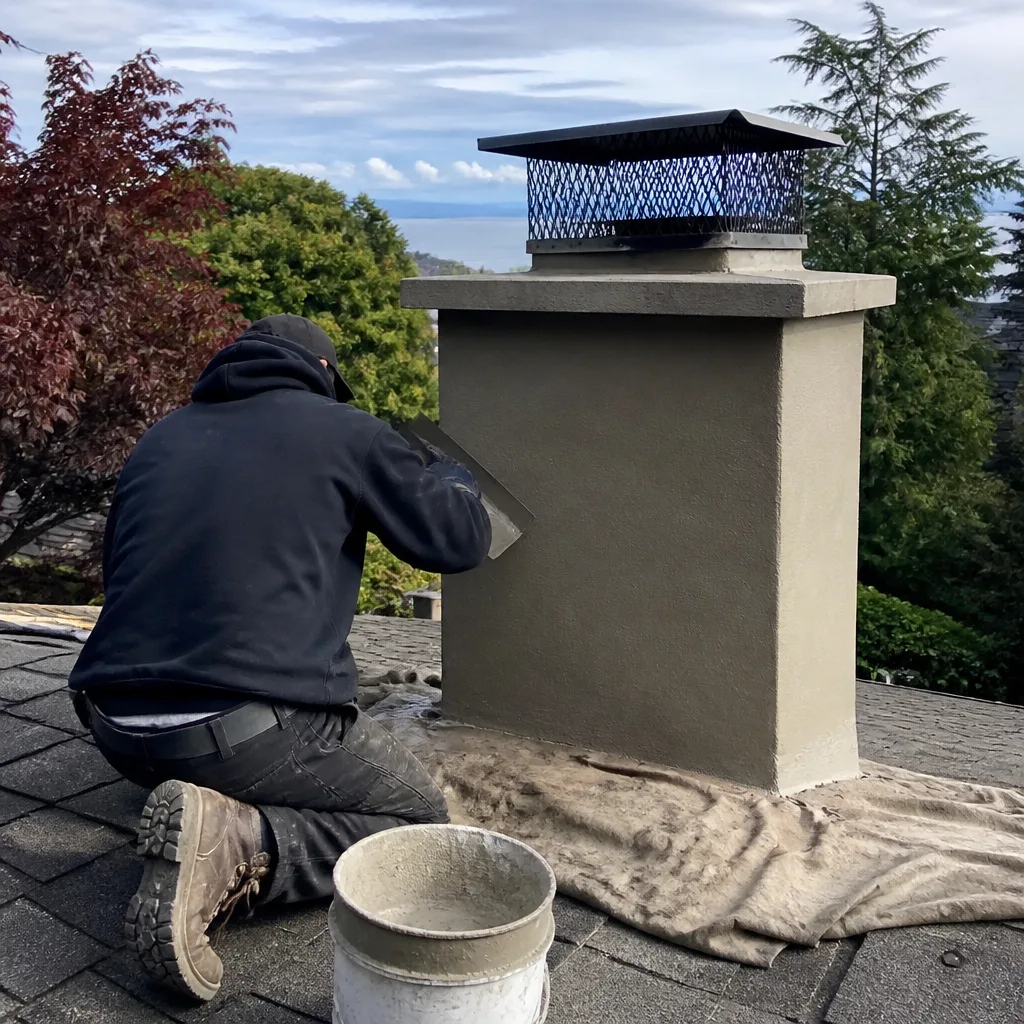 After
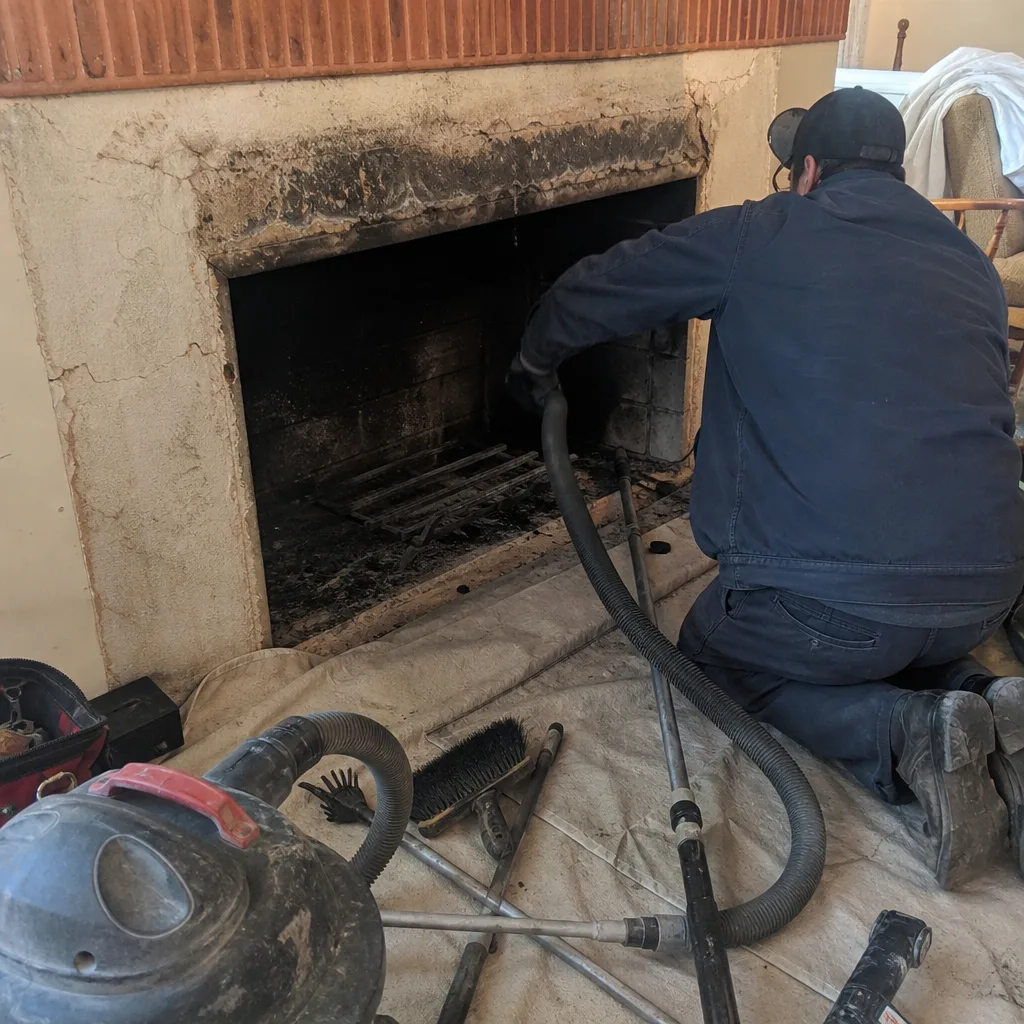 Before
 After
 Before
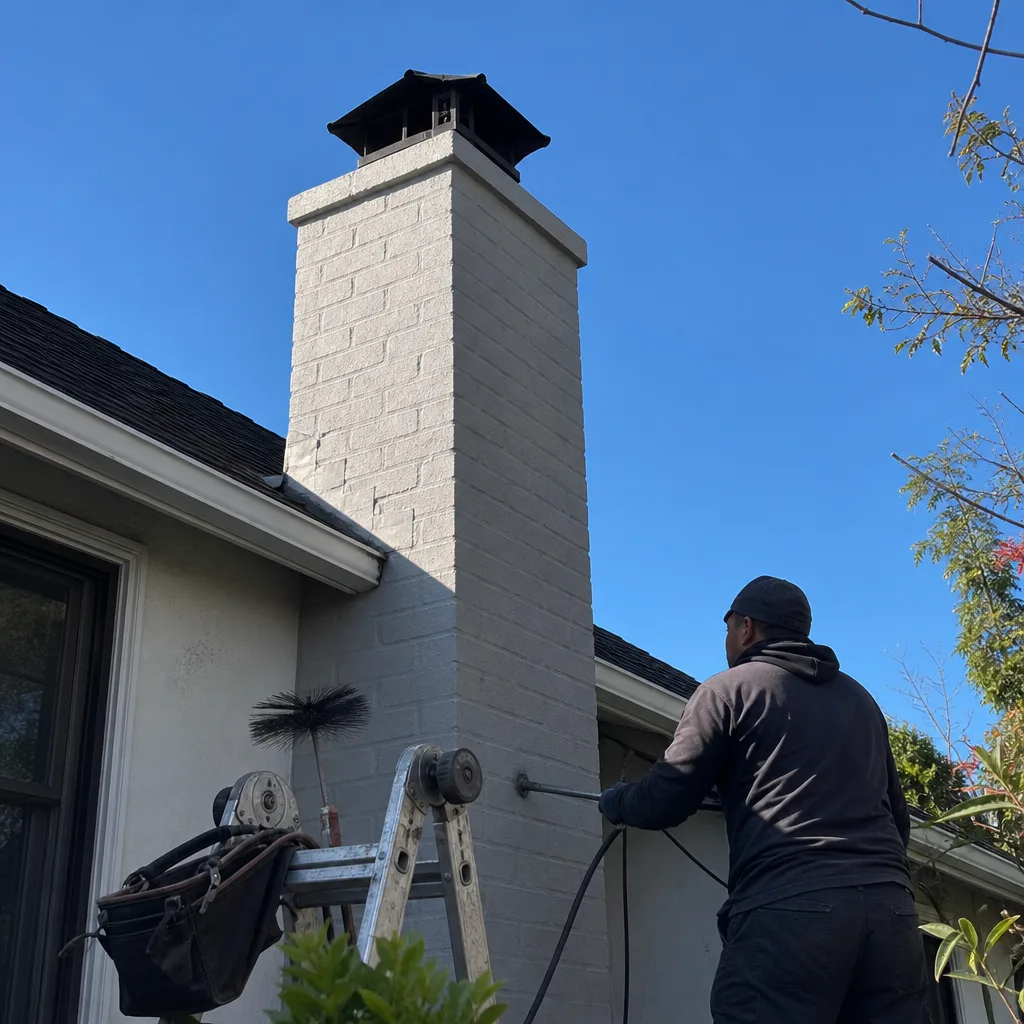 After
When to Call a Professional
You should call a professional chimney contractor before the problem becomes visible. If you haven’t had your chimney swept in the last 12 months and you burn regularly during the season, that’s the call. If you see dark staining on the chimney exterior, notice cracked or spalling brick, smell smoke or musty odors near the fireplace after a rain, or haven’t had the dryer vent cleaned in over a year, that’s also the call. If you’ve recently purchased a Sea Cliff home and the previous owner left no chimney maintenance records, schedule a cleaning and inspection now rather than assuming the system is fine. Sunstone Chimney Sweep offers free estimates in Sea Cliff – call (833) 593-0743 to schedule a visit or ask about our service scope.
Frequently Asked Questions
Choose a company that does more than sweep: look for full-service scope including chimney repair in Sea Cliff, ask about the material brands they install for repairs, and verify trade affiliations like CSIA, NCSG, or NFI. A professional company will name specific product lines like DuraFlex and HeatShield when asked what they use. Call (833) 593-0743 to speak with Sunstone Chimney Sweep about your specific situation – we’re happy to answer questions about our materials and process before you book.
DuraFlex flexible stainless steel liner systems are the professional standard for most residential relining jobs, and they’re the liner brand we install in Sea Cliff homes. Generic flex pipe from a hardware store is not a substitute, especially given our coastal climate’s salt-air corrosion. A proper liner system includes manufacturer-matched connectors, top plates, and termination caps. For an exact recommendation for your chimney, call (833) 593-0743 for a free estimate – we’ll show you what’s in your flue and explain what actually needs to happen.
Not every damaged liner needs full replacement; in many cases, HeatShield ceramic resurfacing can restore a cracked flue liner without the cost of a full stainless relining. The answer depends on the extent of the damage, which is why camera inspection matters: you should see the condition of the flue for yourself before approving any work. Call (833) 593-0743 for a free estimate and we’ll show you what the camera sees.
The National Fire Protection Association recommends annual inspection and cleaning when needed, and Sea Cliff’s coastal climate makes that annual visit more important than in drier inland areas. Salt air and moisture accelerate deterioration of mortar, crowns, and metal components, so regular inspection catches problems while they’re still cheap to fix. If you burn regularly during the season, book your sweep in late summer or early fall before the burning season begins.
Creosote builds up on the flue walls with every fire, and creosote is combustible. A spark that reaches a thick creosote layer can ignite a chimney fire, which can spread to the roof and the rest of the house. In Sea Cliff, the risk compounds with coastal moisture that can accelerate structural deterioration alongside the creosote buildup. Skipping cleaning also means missing early signs of liner cracks, crown damage, and other problems that get more expensive every year they’re deferred.
Yes, dryer vent cleaning is a core service we handle alongside chimney sweeping and repair in Sea Cliff. Lint buildup in dryer vents is one of the leading appliance-related causes of residential fires in the U.S., and it’s a safety service, not an upsell. Call (833) 593-0743 to schedule a dryer vent cleaning, a chimney sweep, or both during a single visit.
The Bottom Line
The brand decision that matters in Sea Cliff chimney service is not the name painted on the truck. It’s the name stamped on the liner, the refractory material, and the termination cap. A contractor who installs professional-grade trade products like DuraFlex, HeatShield, Olympia Chimney, Famco, and Copperfield has made a visible investment in doing the work correctly. A contractor who shops at a hardware store hasn’t. Ask direct questions about material sourcing, get photographic documentation of every repair recommendation, and choose a full-service company that handles sweeping, repair, and dryer vent cleaning with one accountable team. Your chimney is a fire-safety system, not a household chore, and it deserves the same scrutiny you’d apply to any other safety-critical component of your home.
Written by the team at Sunstone Chimney Sweep, serving Sea Cliff since 2011.