
Last updated November 2, 2026
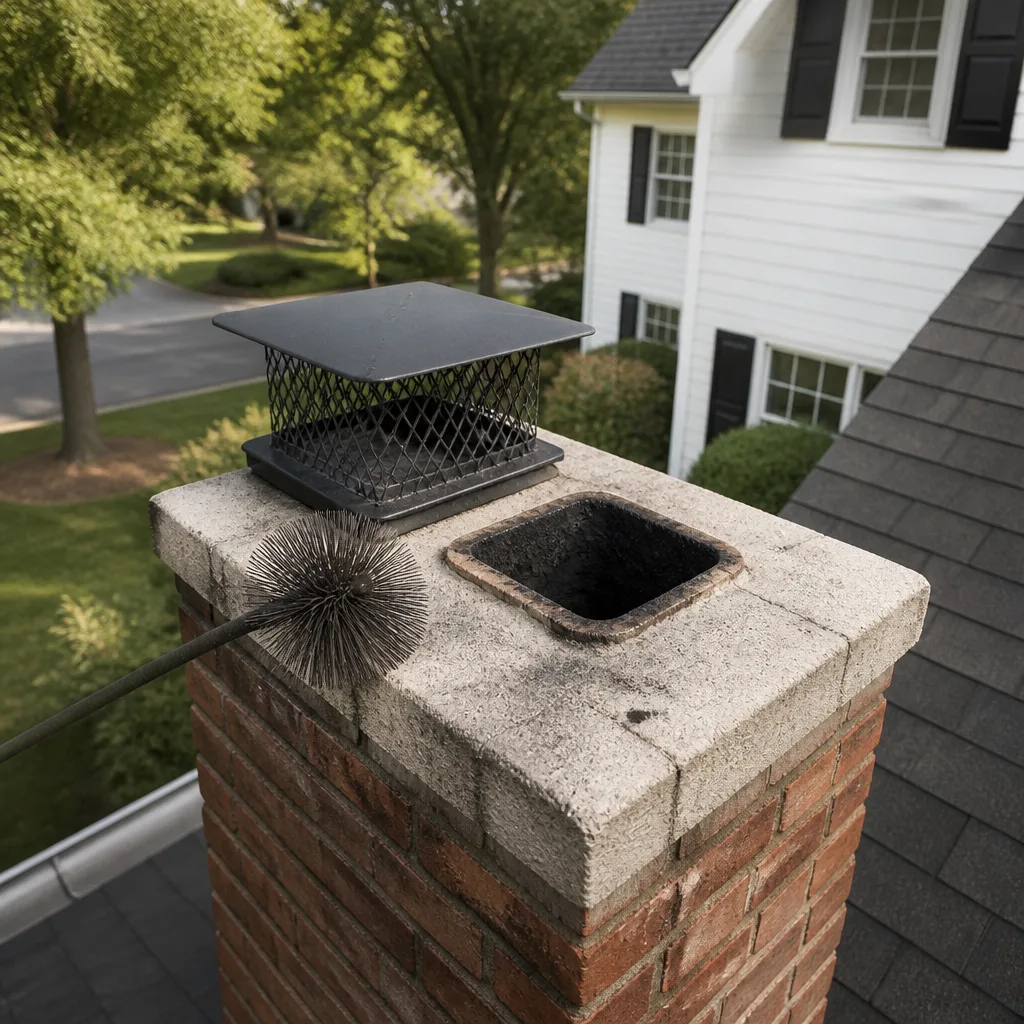 Sweep & inspection
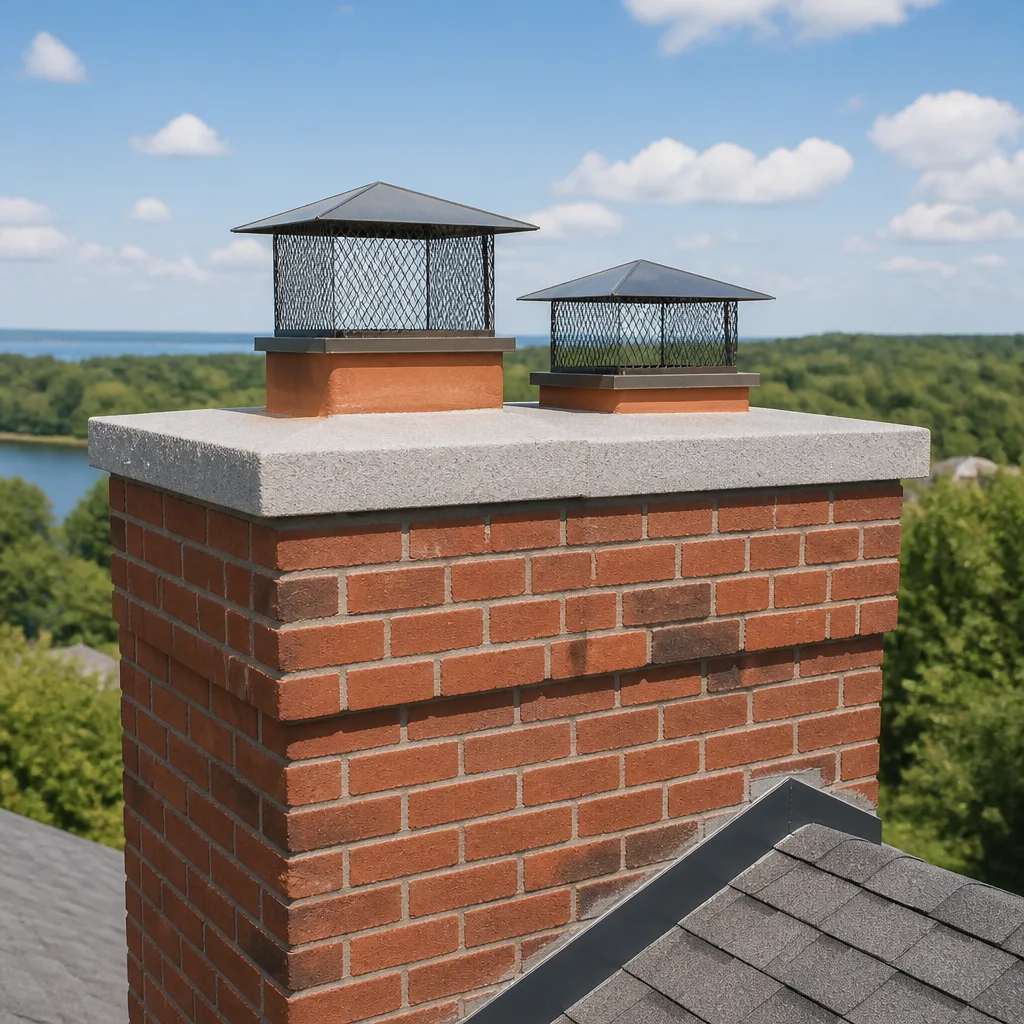 Caps & crowns
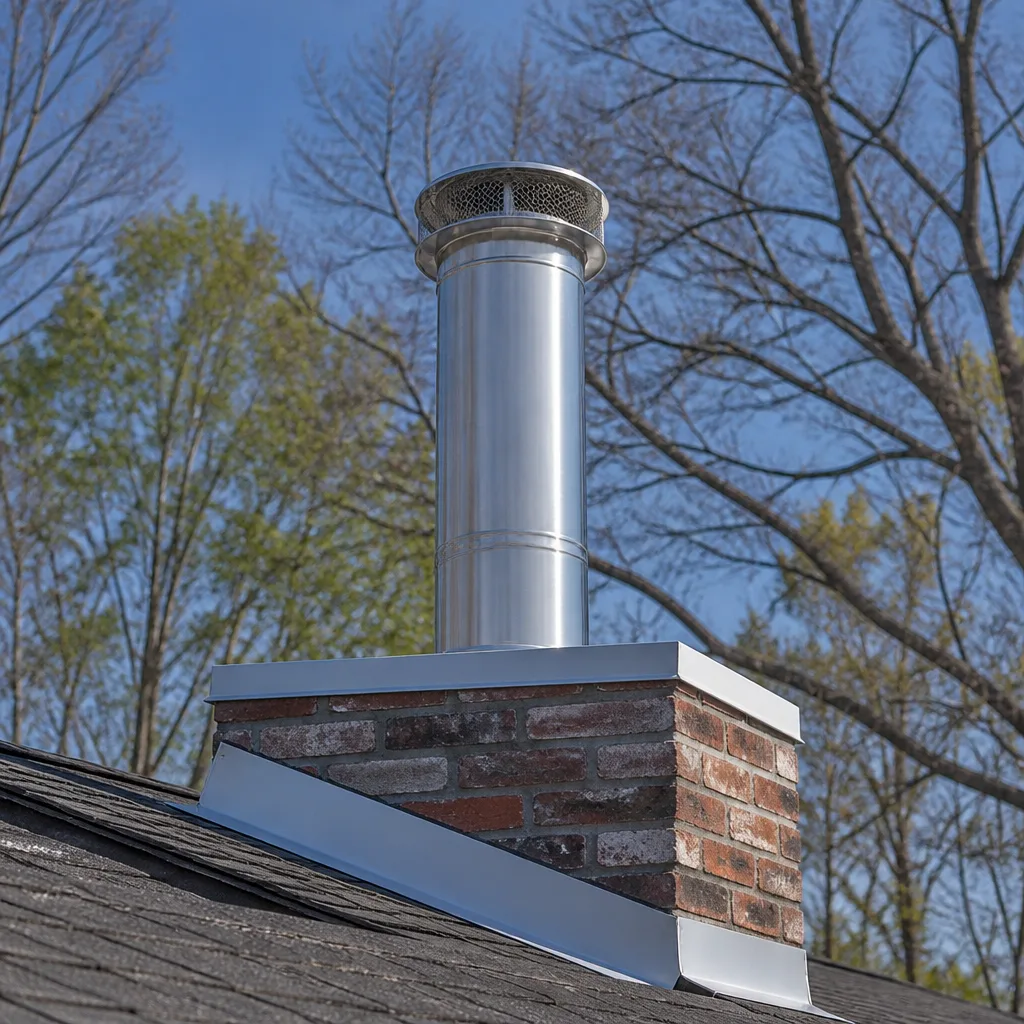 Flue relining
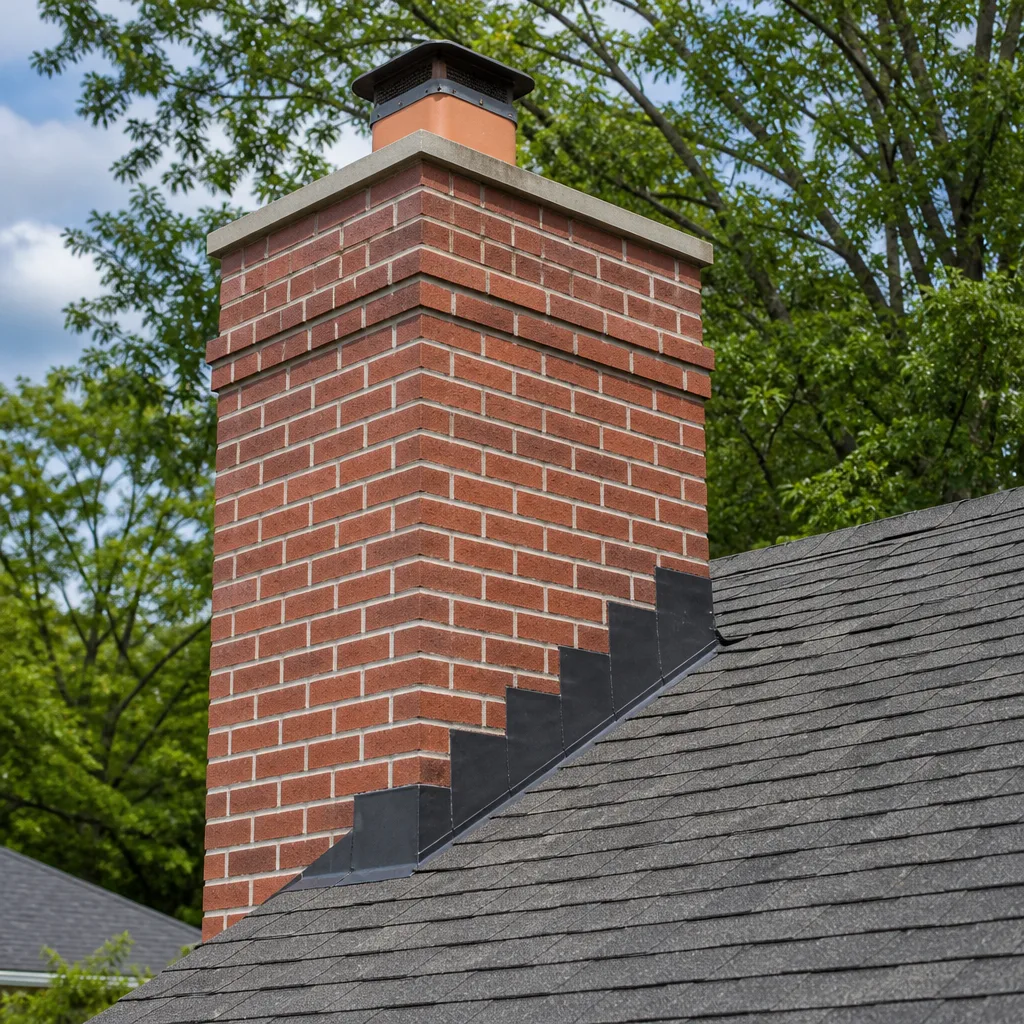 Masonry repair
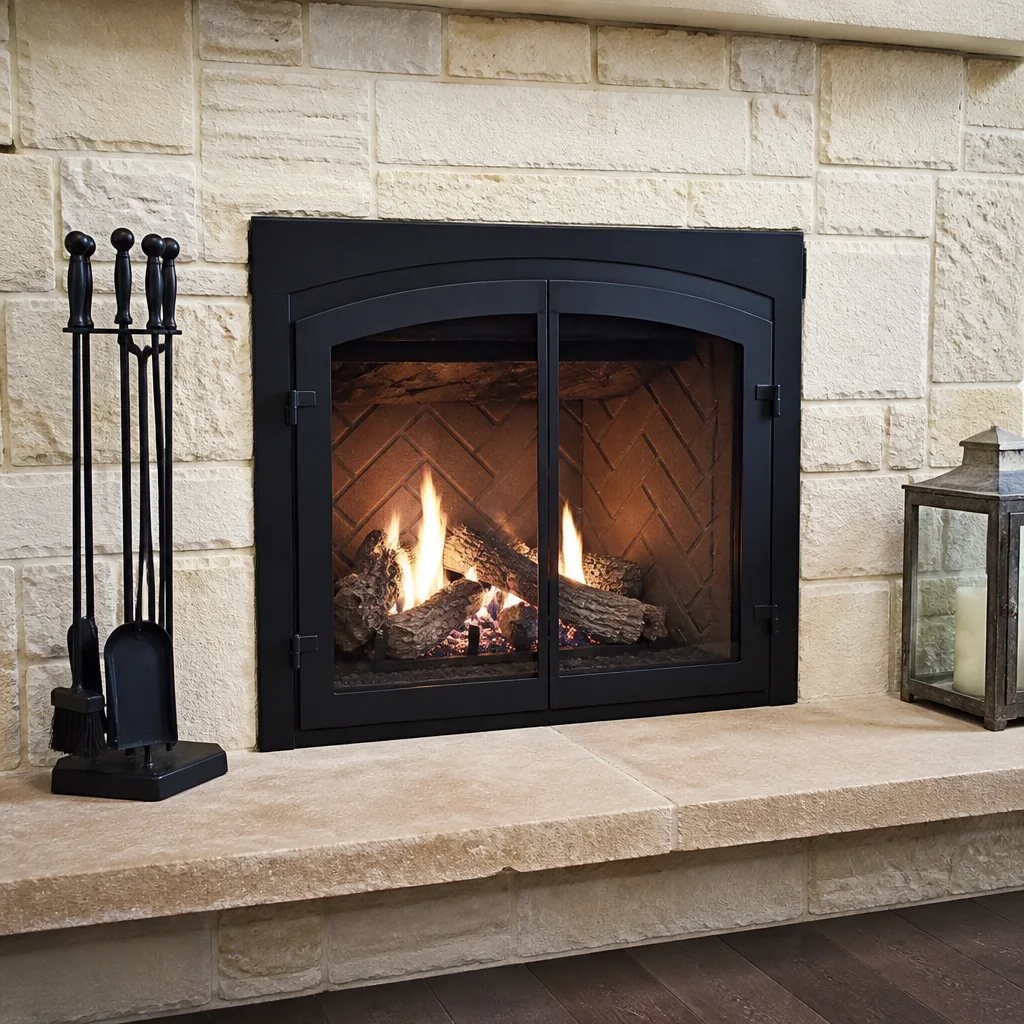 Gas fireplace service
Level 1 sweep and inspection to the NFPA 211 annual standard - flue, crown, cap, and flashing checked and photographed
Chimney sweep logs do not sweep chimneys. They loosen some creosote - which then falls where a brush and vacuum still have to collect it.
Every year, homeowners in Sea Cliff climb onto their roofs with a $40 wire brush from a hardware store, spend an afternoon covered in soot, and feel good about saving a few hundred dollars. And in many cases, the flue does end up cleaner. What those homeowners can’t see from the top of a ladder is whether the flue lining beneath that soot is still intact. That’s the real conversation about DIY chimney cleaning. This guide gives you a practical framework for deciding what you can safely handle yourself and when the inspection component of a professional service is worth far more than the sweep. For how to hire a chimney cleaning contractor in Sea Cliff, see our step-by-step guide.
Quick Answer
DIY chimney cleaning removes flammable creosote buildup using basic brush kits, but it cannot assess the structural condition of your flue liner, moisture intrusion points, or hidden fire hazards. In Sea Cliff’s marine-layer climate, where salt air accelerates masonry and metal deterioration, the inspection that accompanies a professional sweep is the real value. Most homeowners can handle simple between-service maintenance, but an annual professional assessment is the safer baseline for any actively used fireplace.
Table of Contents
- What DIY Chimney Cleaning Can Actually Accomplish
- What DIY Cannot Do: The Inspection Gap
- The Tools That Separate Professional Results from Brush Kits
- Why Sea Cliff’s Coastal Climate Changes the Equation
- Safe Homeowner Maintenance Between Professional Visits
- Liability and Insurance: What Happens If a DIY Job Goes Wrong
- A Decision Framework Based on Your Actual Chimney
- What Professional Chimney Cleaning Costs in Sea Cliff
What DIY Chimney Cleaning Can Actually Accomplish
Let’s be honest about what a homeowner with a brush kit can do. You can remove loose creosote from the flue walls. You can clear out debris like bird nesting material or leaves that have fallen in. You can clean the firebox and remove ash buildup. You can visually confirm whether the damper opens and closes. These are all real, legitimate tasks, and doing them between professional visits reduces the volume of flammable material sitting in your chimney.
The brush kits sold at hardware stores and online work on a simple principle: a wire or poly brush head attached to flexible rods that you push up and down through the flue. For first-stage creosote, which is flaky and loosely adhered, this does work. If you burn dry hardwoods and have a newer chimney, you might genuinely remove 70 to 80 percent of the visible buildup.
What matters here is understanding what you’re doing well and what you’re not doing at all. A DIY sweep is a debris removal exercise. That’s it. It’s not an inspection, it’s not a safety certification, and it doesn’t tell you anything about the condition of the system behind the soot.
What DIY Cannot Do: The Inspection Gap
Here’s where the DIY vs professional conversation gets serious. A homeowner can physically remove soot from a flue with a brush kit. What they cannot do is distinguish a hairline liner crack from a shadow at the bottom of a 20-foot flue. That crack is the mechanism by which chimney fires start and carbon monoxide enters living spaces. After a chimney fire, cracks in clay tile liners or gaps in mortar joints allow heat to reach combustible framing, which in Sea Cliff’s older housing stock often sits only inches from the flue.
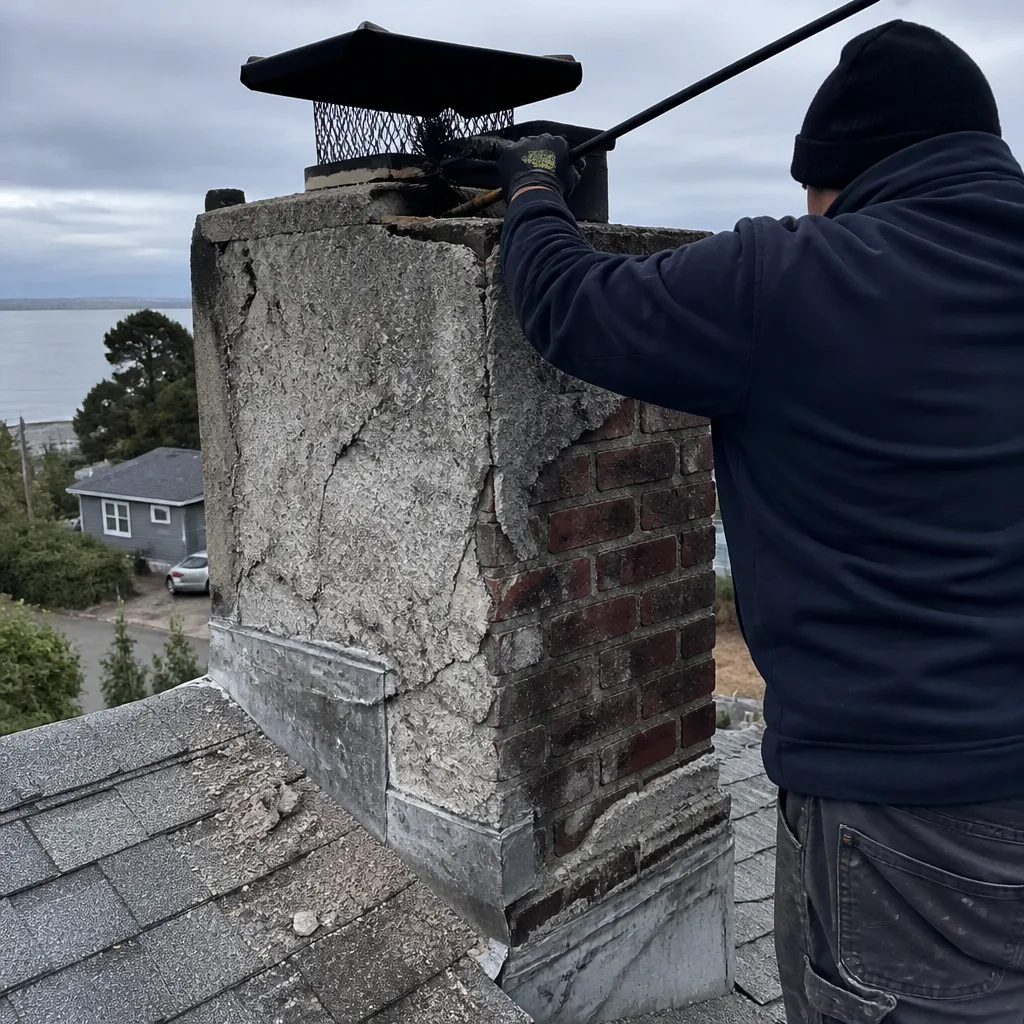
Professional chimney sweeping in Sea Cliff includes a structural assessment that most homeowners simply cannot replicate without training and equipment. A technician looks for spalling brick, deteriorating mortar, rusted damper components, evidence of moisture intrusion, and clearance violations where the flue passes through floors and roof structures. These are not defects you’ll catch with a flashlight from the rooftop.
Think of it this way: brushing your own chimney is like brushing your own teeth. It’s worthwhile daily maintenance. But when the dentist uses an x-ray to find decay beneath a filling that looks fine from the surface, that’s the professional diagnostic layer you can’t replicate at home. The Chimney Sweep in Sea Cliff service includes that diagnostic layer as a core part of the visit.
The Tools That Separate Professional Results from Brush Kits
Consumer brush kits have improved over the years, but the equipment gap between what’s on the shelf at your local hardware store and what a full-service company uses is substantial. Here’s what that gap looks like in practice:
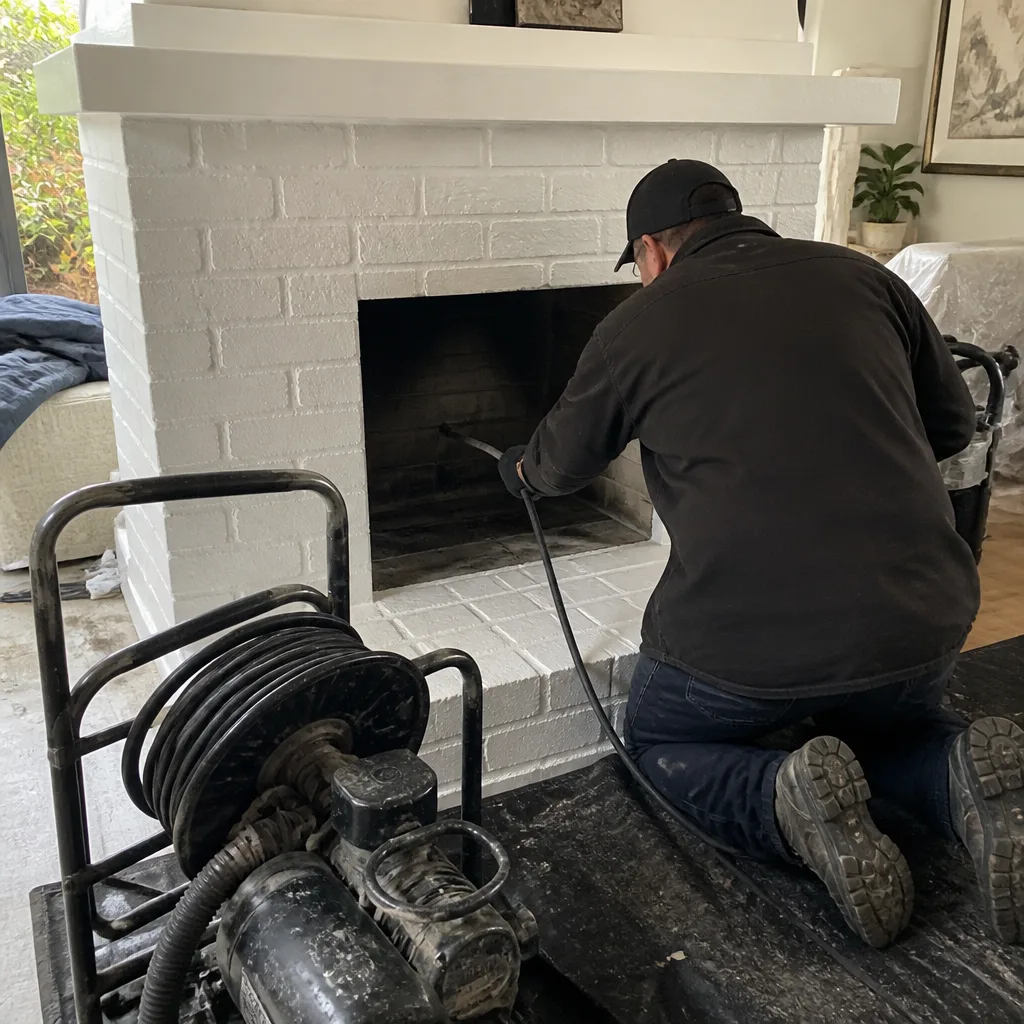
- Rotary cleaning systems: Professional sweeps use power-driven rotary heads with nylon or polymer lines that spin at high speed against flue walls. These remove second-stage and glazed creosote that a manual brush physically cannot dislodge. Glazed creosote, which forms when fires burn hot and fast, is tar-like and adheres to flue walls. It’s the form of creosote most linked to chimney fires.
- Commercial filtration vacuums: A standard shop vacuum will not hold the fine soot particles generated during chimney cleaning. These particles are small enough to pass through standard filters and into your living room. Professional sweep setups use high-capacity vacuums with specialized filtration that handle thousands of cubic feet of air per minute while capturing particles at the micron level.
- Video scanning equipment: This is the big one. Modern chimney service includes sending a camera down the flue to document liner condition, mortar joints, and any obstructions. The homeowner sees the same images the technician sees. That visual evidence is something no brush kit provides, and it’s how a service like ours makes repair recommendations you can verify with your own eyes.
At the material level, Sunstone Chimney Sweep specifies professional-grade products like HeatShield ceramic repair systems and DuraFlex flexible liner components. These are the materials chimney restoration specialists use for structural repairs, not consumer products from a retail shelf. That matters when a sweep reveals damage that needs more than brushing.
Why Sea Cliff’s Coastal Climate Changes the Equation
Sea Cliff sits directly on the Pacific edge of San Francisco. That means your chimney spends every day of the year in salt-laden, moisture-heavy air. The marine layer that rolls over the neighborhood most mornings isn’t just fog; it’s a continuous exposure event for masonry and metal chimney components. For seasonal chimney cleaning care for Sea Cliff, our year-round guide covers how to protect your system.
In practical terms, this climate accelerates three specific problems. First, brick and mortar absorb ambient moisture, leading to spalling, a process where water penetrates the masonry surface, evaporates, and causes the brick face to flake off. Second, metal components such as chimney caps, dampers, and exposed flashing corrode faster in salt air than they would five miles inland. Third, creosote interacts with moisture in unexpected ways; damp creosote releases stronger odors into the home and can degrade flue liners faster than dry creosote.
This is why the “clean it and be done” approach works less well in Sea Cliff than it does in, say, Walnut Creek or Danville. The inspection component of a professional visit catches marine-layer damage early, when a simple repair prevents a full rebuild. In our experience serving Sea Cliff homes, moisture-related masonry issues are the most common finding that homeowners had no idea existed.
Safe Homeowner Maintenance Between Professional Visits
There’s a middle ground between full DIY sweeping and handing everything to a contractor. These tasks are genuinely safe for a homeowner to handle and make a real difference in how well your chimney performs between professional visits:
- Regular firebox cleaning: Remove ash once it accumulates beyond an inch. Use a metal ash bucket with a tight-fitting lid, and store it outside on a non-combustible surface for at least 24 hours before disposal. Ash can smolder for days.
- Burn the right wood: Seasoned hardwood with moisture content below 20 percent produces less creosote than green wood. If you’re buying cords from local suppliers, ask where the wood was seasoned and for how long. Burn hot, established fires rather than smoldering low-temperature fires, which produce creosote at a much higher rate.
- Visual checks of the chimney cap: From ground level, look for a chimney cap that’s tilted, loose, or missing. The cap is your first defense against rain, marine moisture, and bird entry. If it’s damaged, call a professional who stocks replacement caps from suppliers like Copperfield or Famco rather than buying a universal-fit cap that may not seat correctly.
- Test the damper operation: The damper should open fully and close with a firm seal. A damper that won’t close means you’re sending heated air straight up the flue all winter. A damper that’s rusted open or seized shut is a repair item.
- Monitor for moisture indicators: Stains on the ceiling or walls near the chimney, a persistent musty smell from the firebox, or white efflorescence on exterior brick all indicate water intrusion. These are warning signs that should trigger a professional call, not a wait-and-see approach.
Liability and Insurance: What Happens If a DIY Job Goes Wrong
Here’s a topic most DIY chimney cleaning guides skip entirely: insurance. If you clean your own chimney and a chimney fire occurs, your insurance company will ask questions. Specifically, they’ll want proof that the chimney was professionally maintained. Many homeowner policies include clauses about proper maintenance of wood-burning appliances, and adjusters have become increasingly rigorous about documentation after chimney fire claims.
A professional sweep from a company like Sunstone Chimney Sweep home provides a documented service record. That record shows the flue was cleaned by a qualified service using professional equipment, and it demonstrates due diligence. A DIY job gives you no third-party documentation. If the cause of a fire is traced to creosote buildup you missed, the claim can be contested.
The same logic applies to carbon monoxide incidents. Here in Sea Cliff, homes built before the 1980s often have masonry chimneys that predate modern clearance codes. A cracked liner that goes undetected for years can quietly vent CO into bedroom walls. If your family experiences CO exposure from a chimney system you’ve been maintaining yourself, the liability conversation becomes far more complicated than it would with a documented professional maintenance history.
A Decision Framework Based on Your Actual Chimney
Rather than making a blanket statement, here’s a practical way to decide what your chimney needs. Answer these questions honestly:
- When was the last professional inspection? If it’s been more than two years, schedule one regardless of anything else. The American safety standard for wood-burning chimneys is annual inspection and cleaning as needed. Two years without an inspection means you’re operating blind.
- How old is the chimney system? Masonry chimneys over 25 years old in Sea Cliff’s coastal environment are significantly more likely to have mortar deterioration and liner damage than newer systems. Older systems justify more frequent professional assessment.
- What fuel do you burn? Wood produces creosote. Gas converts the moisture equation but introduces carbon monoxide concerns. If you burn wood more than once a week during the fall and winter months, professional cleaning at least annually is the baseline. Occasional fire users can honestly extend that interval to 18 months in many cases.
- Do you hear or see anything unusual? A rumbling sound in the chimney, visible smoke backing up into the room, or a strong odor even when the fireplace is cold are all indicators that something is wrong beyond surface-level soot.
Our general guidance for Sea Cliff homes: if you have an actively used wood-burning fireplace or stove, professional service annually is the safest and most defensible position. If you burn infrequently, a DIY brush-out between 18-month professional visits is a reasonable middle path. If you have a gas insert, the cleaning requirement is lower but the inspection requirement remains important, because gas appliances still produce carbon monoxide and still depend on a sound venting system.
And when repairs are needed, understand the scope. Chimney Repair in Sea Cliff is a different service than sweeping. We stock and install materials from the professional trade lines: DuraFlex for relining, HeatShield for ceramic resurfacing. Nothing is recommended without camera evidence you can review with us.
What Professional Chimney Cleaning Costs in Sea Cliff
Professional chimney sweeping in Sea Cliff typically runs between $180 and $350 for a standard open fireplace, with costs rising if the flue is unusually tall, there’s significant creosote accumulation, or the chimney hasn’t been serviced in several years. See our chimney cleaning cost breakdown for the full 2026 Sea Cliff homeowner’s reference. An inspection-only visit falls at the lower end of that range. If the sweep reveals damage requiring repair, those repairs are quoted separately with documentation.
| Service Type | Typical Sea Cliff Range | When It’s Recommended |
|---|---|---|
| Standard chimney sweep with inspection | $180 – $350 | Annual maintenance for active wood-burning fireplaces |
| Inspection-only visit | $150 – $250 | Gas inserts or rarely used fireplaces |
| Sweep with minor repairs (cap replacement, damper adjustment) | $350 – $600 | When inspection reveals component failure |
| Full relining (DuraFlex or HeatShield system) | Quoted per job | When liner damage poses fire or CO risk |
Compare that against the real cost of a DIY job done wrong. A chimney fire that compromises your liner means a full reline, which runs several thousand dollars whether you’re in Sea Cliff or anywhere else in the Bay Area. The inspection that catches the crack before it becomes a fire costs under $200. That math is impossible to ignore.
Styles & brands we work with
- Sweep & inspection
- Caps & crowns
- Flue relining
- Masonry repair
- Gas fireplace service
Common Mistakes to Avoid
- Treating DIY cleaning as equivalent to professional service. The brush removes soot. It does not assess liner condition, mortar joints, or clearance violations. In Sea Cliff’s older homes, that’s where the actual risk sits.
- Using a standard shop vacuum. Household vacuums leak fine soot through their filters. What you’re not capturing gets distributed through your living space. Professional setups use commercial filtration that actually contains the particles.
- Ignoring the chimney cap. A missing or damaged cap lets marine moisture directly enter the flue, accelerating every other problem. This is the most common avoidable defect we find in Sea Cliff chimneys.
- Burning unseasoned wood and then blaming the chimney. Wet wood is the primary driver of rapid creosote accumulation. If your glass is black within a week of cleaning, you’re burning green fuel.
- Deferring inspection because the fireplace “seems fine.” Most serious chimney defects have zero user-facing symptoms until something fails. The point of the inspection is to find problems before they announce themselves.
- Buying a universal-fit chimney cap from a retail store. Ill-fitting caps leave gaps that birds and moisture exploit. Professional supply lines like Copperfield and Famco produce measured-fit components that actually perform their function.
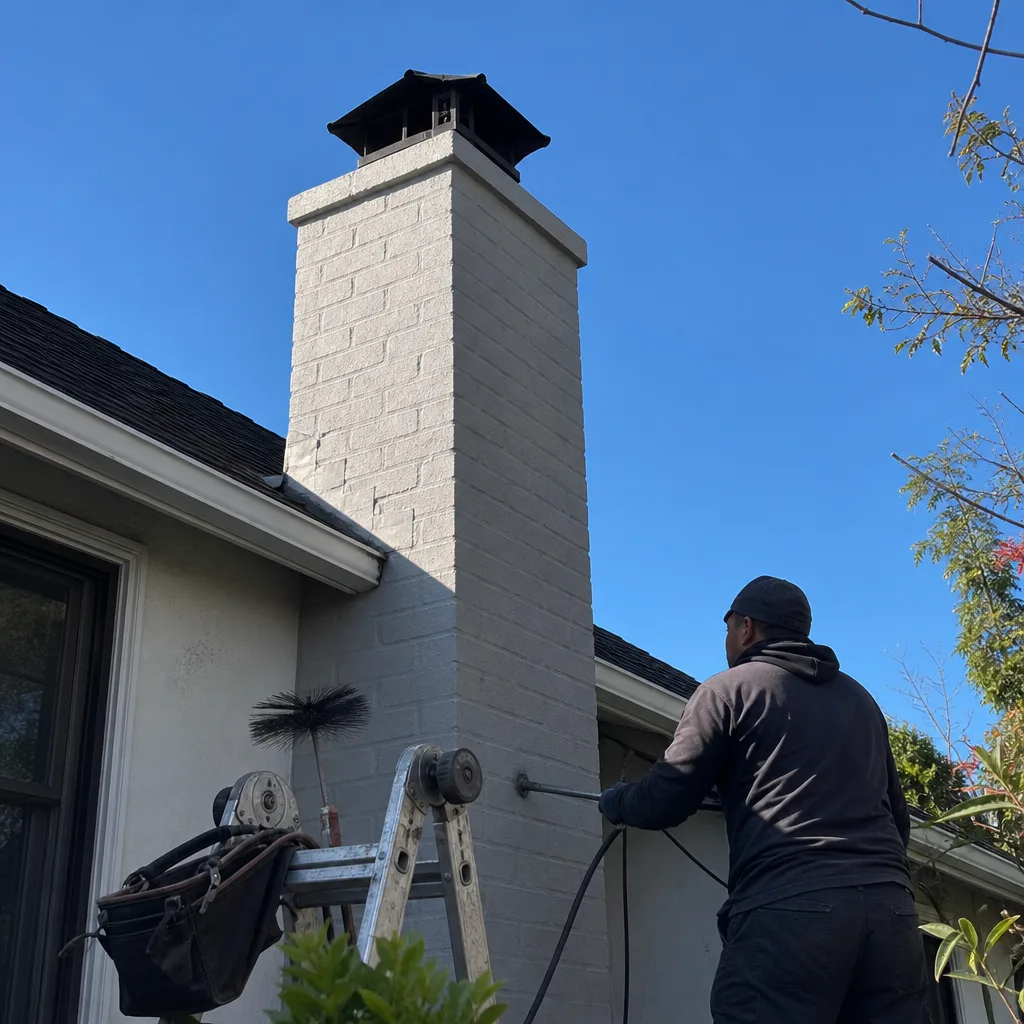
See the difference
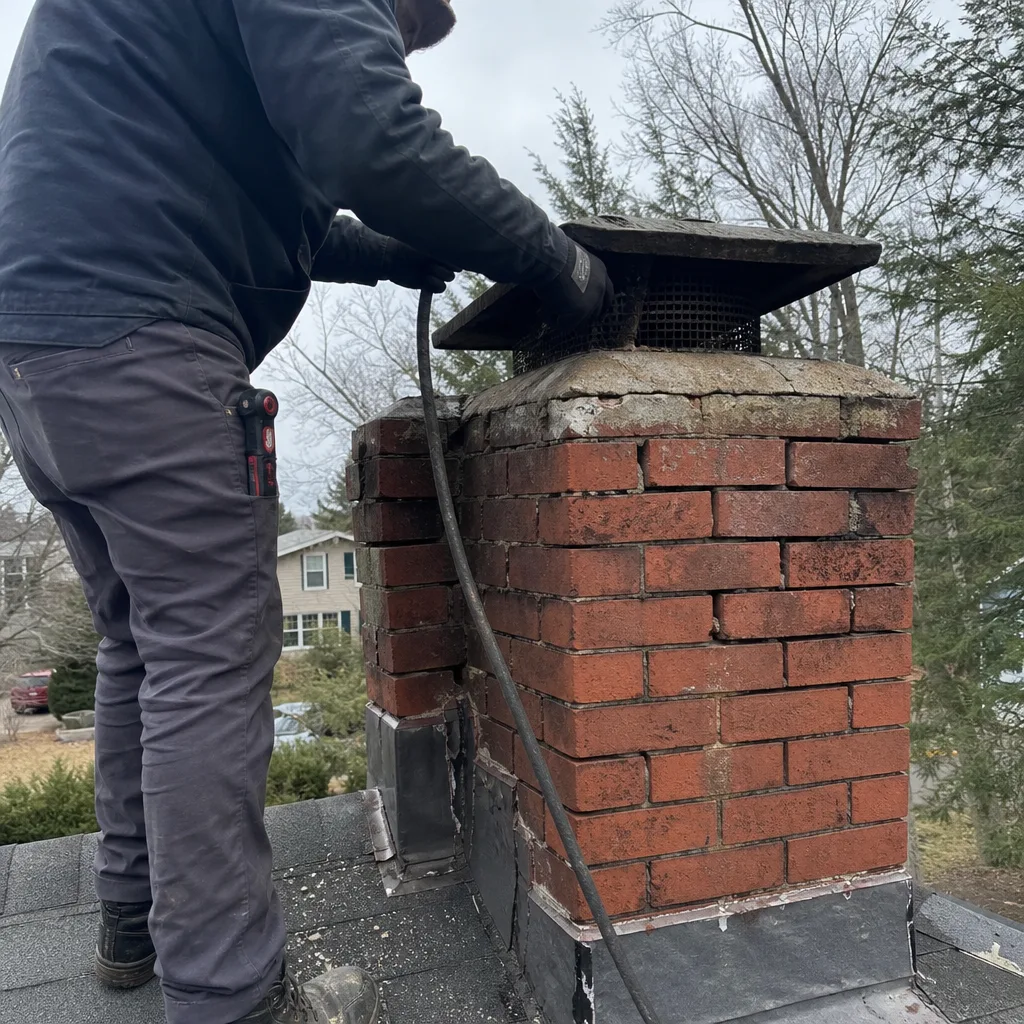 Before
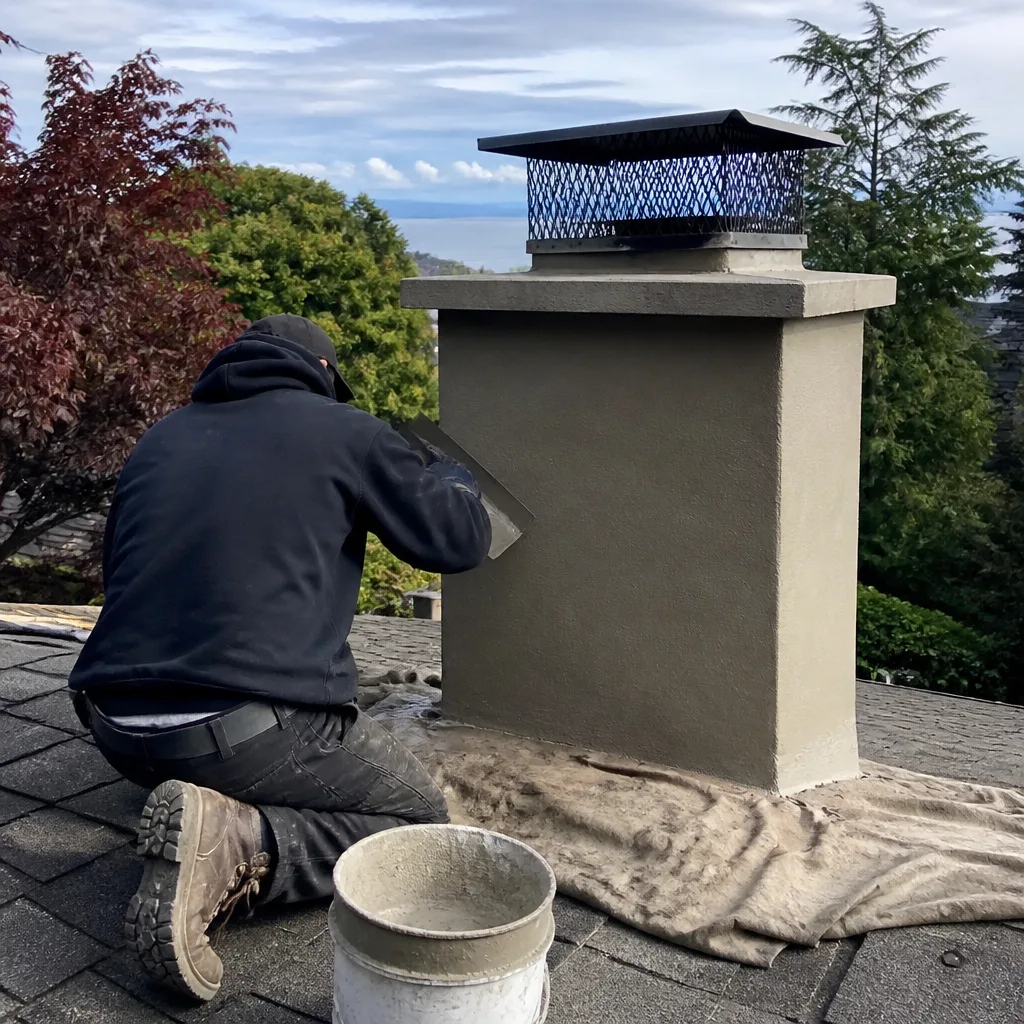 After
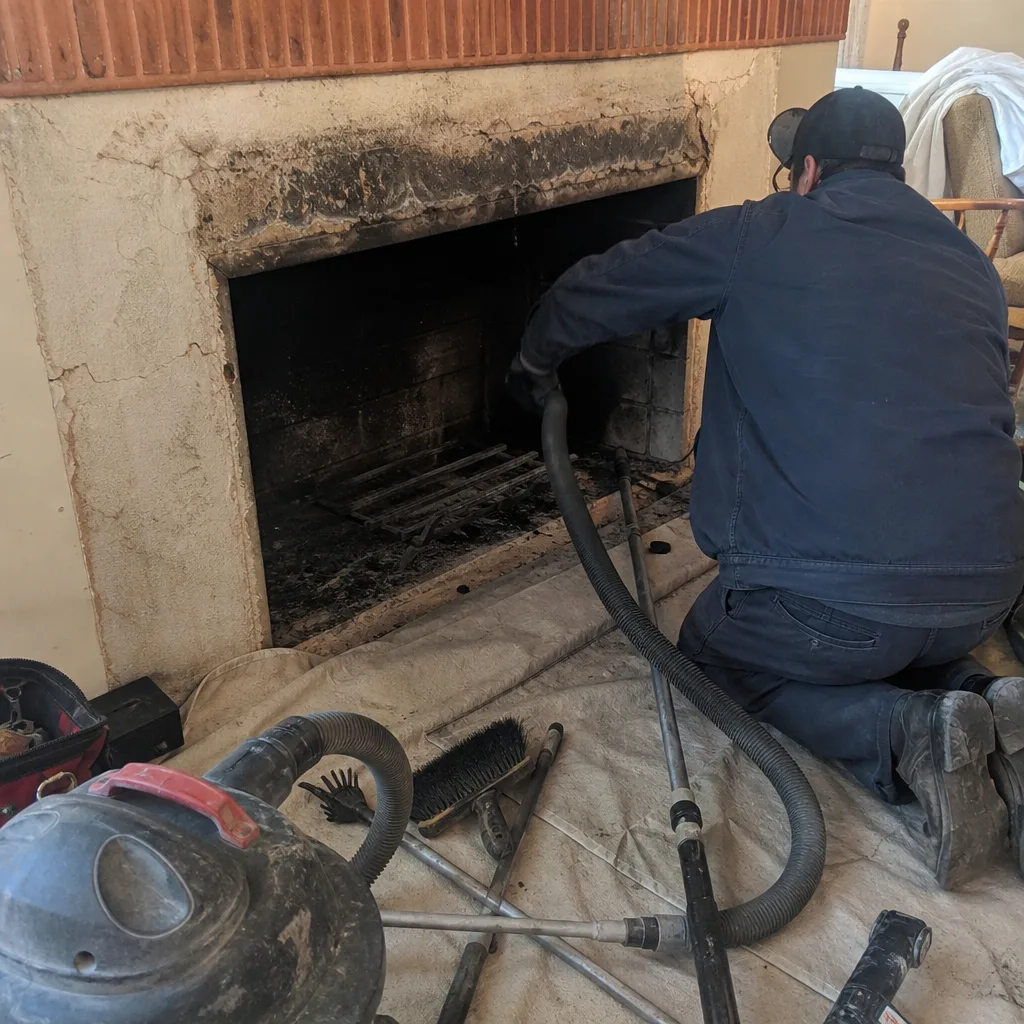 Before
 After
 Before
 After
When to Call a Professional
Call a professional when you see water stains near the chimney, smell smoke or creosote when the fireplace is cold, hear crumbling sounds, notice visible smoke backing into the room, or know your chimney hasn’t been professionally inspected in over two years. If you’re buying a Sea Cliff home with a fireplace, make a sweep and inspection part of the closing process. And if you’re simply not sure what your chimney needs, that’s what an inspection is for. Sunstone Chimney Sweep offers free estimates in Sea Cliff for sweeping, repair, and Dryer Vent Cleaning in Sea Cliff. Call (833) 593-0743 and we’ll tell you honestly what needs attention and what can wait.
Frequently Asked Questions
A standard chimney sweep in Sea Cliff costs between $180 and $350, depending on flue height, creosote volume, and time since the last service. Inspection-only visits run $150 to $250. Call (833) 593-0743 for an exact quote; estimates are free.
You can remove loose creosote with a brush kit if you have a single-story ranch with a straight flue and mild buildup, but most Sea Cliff homes have two-story chimneys with 20-foot-plus runs that are genuinely awkward to clean safely from a ladder. The bigger limitation is that you cannot see liner cracks or mortar gaps from the top, and those are the defects that cause fires. If you’re going to DIY, do it as a supplement to professional inspection, not a replacement.
Wood-burning fireplaces used regularly should be swept annually, which aligns with the safety standard for solid-fuel appliances. Homes with occasional use can reasonably extend to 18 months, provided a professional inspection confirms the system is sound. Gas inserts need less cleaning but still deserve an inspection every two years in Sea Cliff’s moisture-heavy air.
Creosote accumulates in layers. Stage-one creosote is flaky and removable. Stage two is a hardened granular buildup that requires rotary tools. Stage three is glazed, tar-like, and highly combustible. The risk isn’t just a dirty chimney. It’s a chimney that’s storing fuel for a fire you didn’t intend to have. In coastal homes, skipped maintenance also means moisture damage has years to progress unnoticed.
We handle the full scope: sweeping, repair, and dryer vent cleaning. That includes HeatShield ceramic resurfacing and DuraFlex relining when inspection reveals liner damage. We specify the right repair material for the system, not the cheapest option available.
No. Sunstone Chimney Sweep handles sweep, inspection, and repair in a single visit when possible. No second contractor to coordinate, no gap between diagnosis and fix. If we find a problem during the sweep, we’ll show you the camera documentation and quote the repair on the spot.
The Bottom Line
The DIY vs professional chimney cleaning decision isn’t really about whether you can operate a brush. It’s about whether you can see what matters. In Sea Cliff, where coastal moisture accelerates every form of chimney deterioration, the annual professional inspection is the single highest-value action you can take for your fireplace. You can remove soot yourself between visits. You cannot assess liner integrity from your roof. And when the inspection reveals something wrong, having a company that repairs with professional-grade materials from HeatShield, DuraFlex, and other trade lines means the fix happens in one call. That’s the honest framework. Use it to make a decision that protects your home rather than one that just saves you an afternoon on a ladder. For more guides & resources on chimney care, visit our blog.
Written by the team at Sunstone Chimney Sweep, serving Sea Cliff since 2011.