
Last updated November 3, 2026
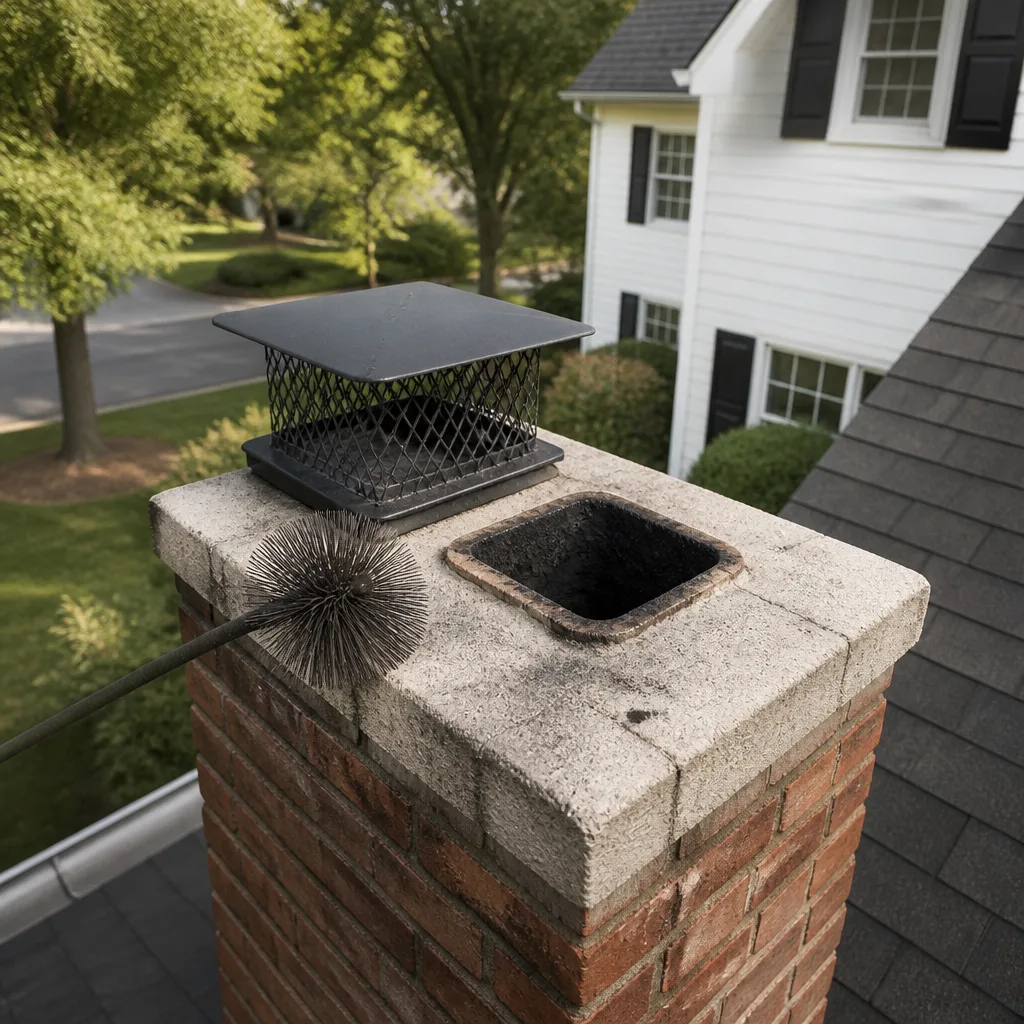 Sweep & inspection
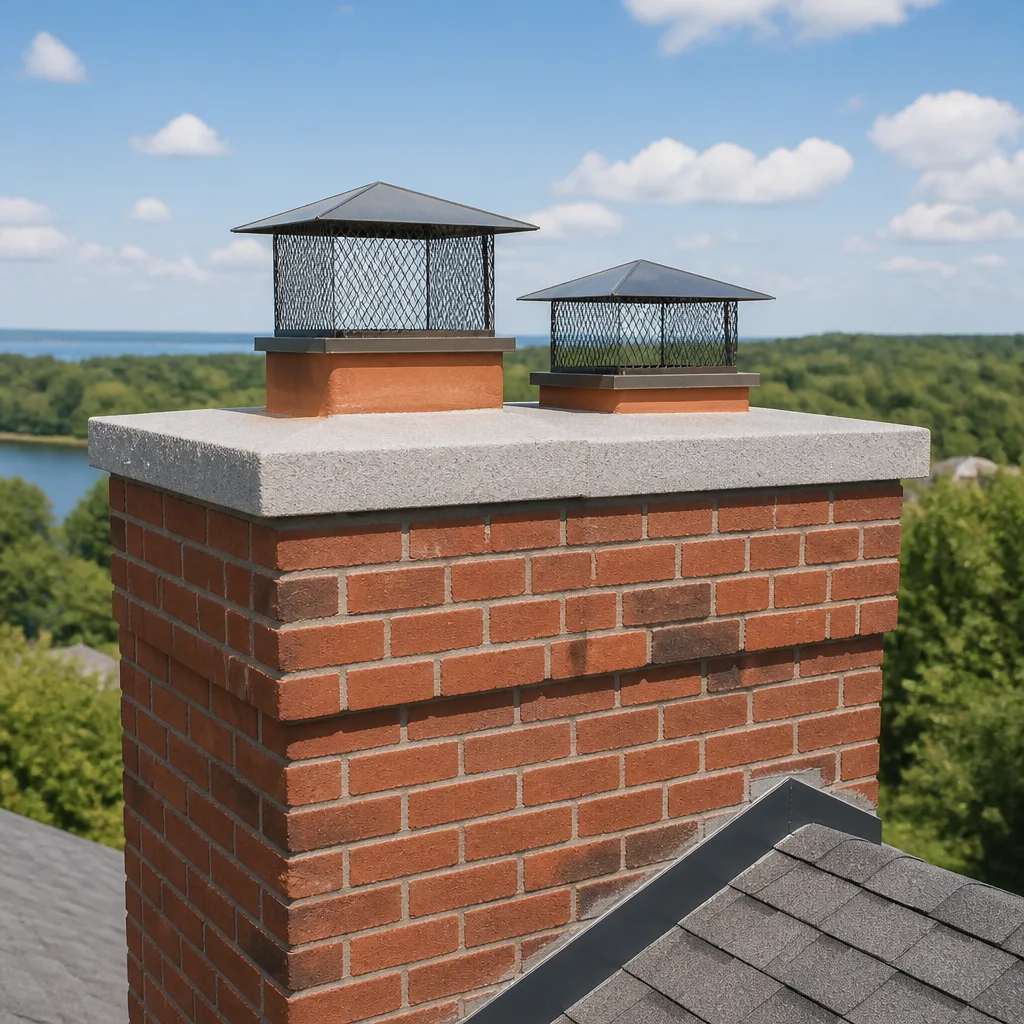 Caps & crowns
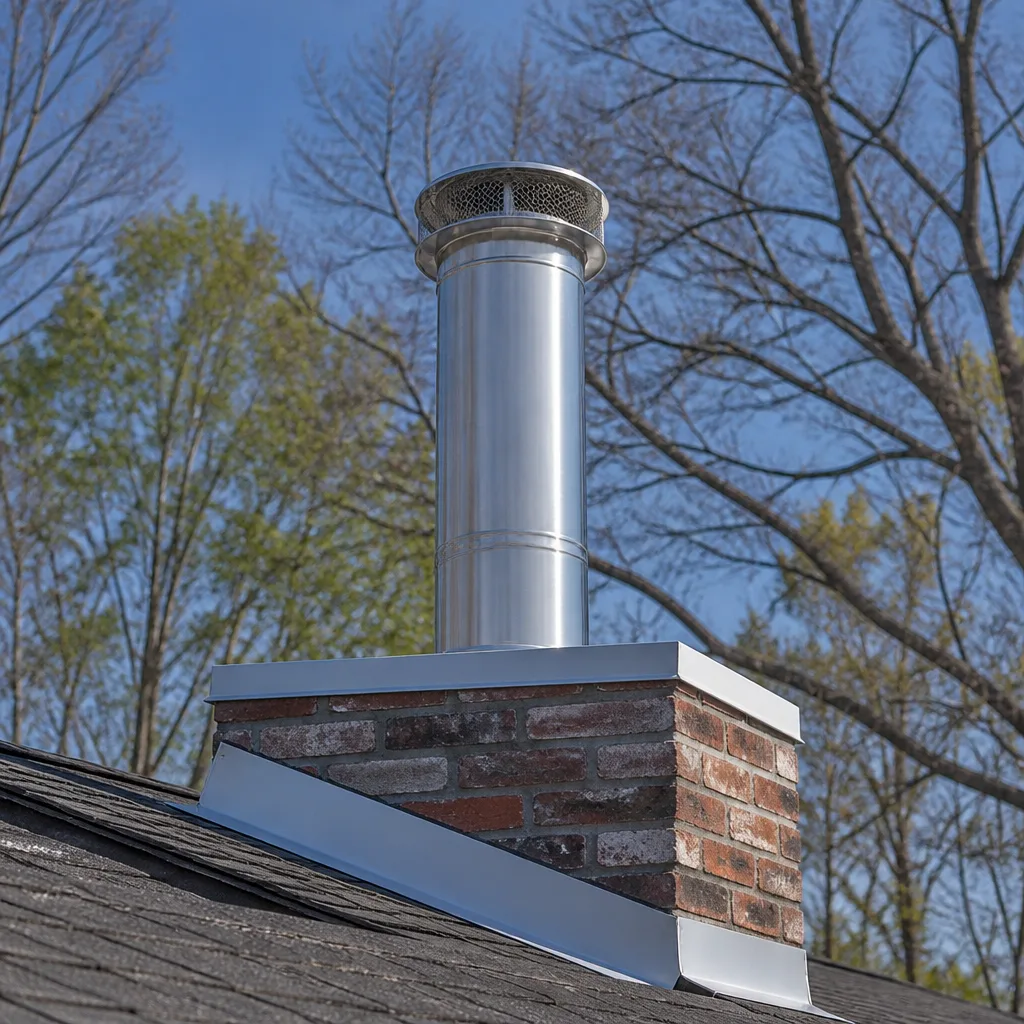 Flue relining
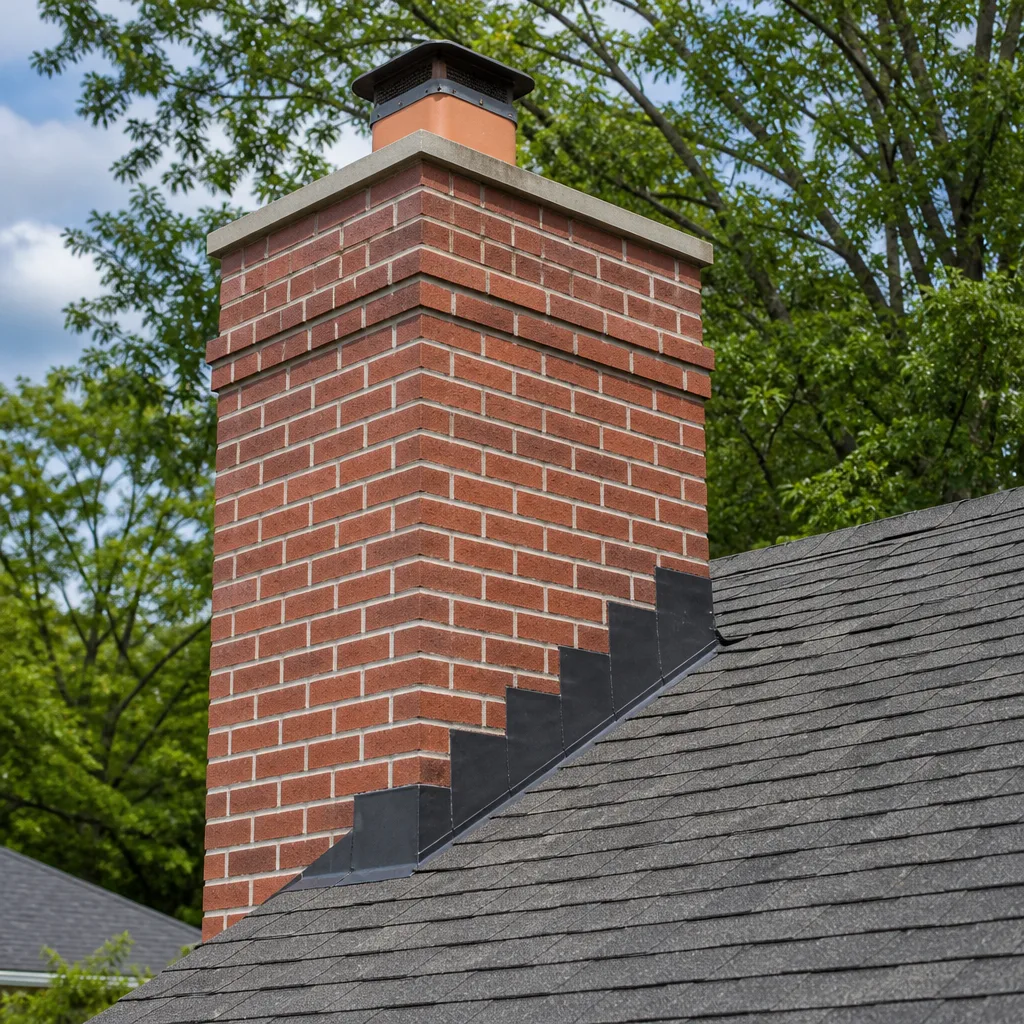 Masonry repair
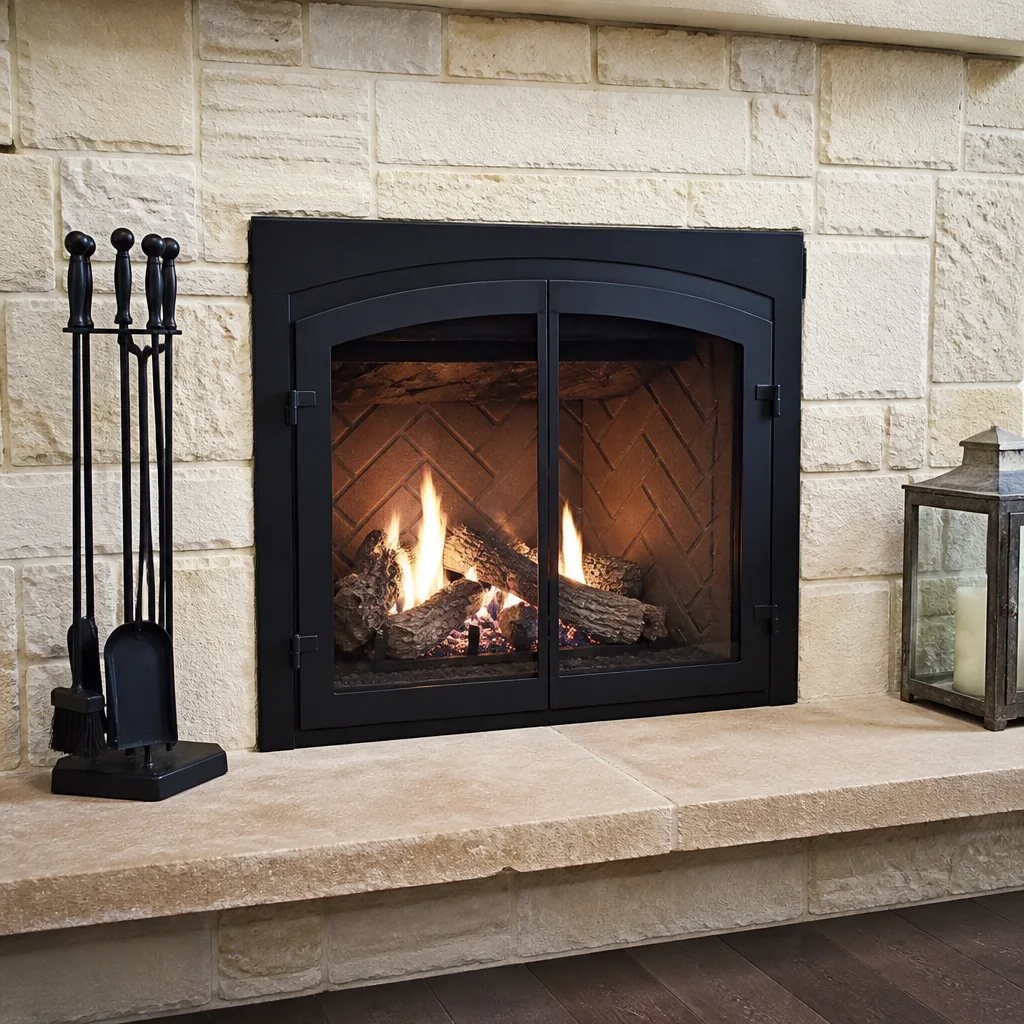 Gas fireplace service
Level 1 sweep and inspection to the NFPA 211 annual standard - flue, crown, cap, and flashing checked and photographed
Chimney sweep logs do not sweep chimneys. They loosen some creosote - which then falls where a brush and vacuum still have to collect it.
The Complete Chimney Sweep Guide for Sea Cliff Homeowners
Most chimney sweep frequency guides are written for the Midwest. Sea Cliff’s average 1,000+ fog hours per year means your flue liner and firebox are absorbing moisture on days you never lit a fire. That changes everything: how often you sweep, what you inspect, and which repairs actually matter here. We put together this guide because we kept answering the same questions from Sea Cliff homeowners who’d read generic advice online and found it didn’t match what we saw in our Chimney Sweep services. By the end, you’ll know exactly when to schedule service, what your inspection report actually means, and how to catch coastal moisture damage before it becomes a four-figure repair.
Quick Answer
A chimney sweep in Sea Cliff, CA typically costs between $185 and $295 for a standard fireplace cleaning, and most Sea Cliff homes need service every 12 months – slightly more often than inland California due to marine layer moisture that accelerates creosote adhesion. If you burn fires regularly between November and March, schedule your sweep in September or early October, before the burn season starts. Homes with clay tile liners in Sea Cliff should add a moisture-focused inspection every 2 to 3 years because salt air attacks mortar joints faster than most homeowners expect.
Styles & brands we work with
- Sweep & inspection
- Caps & crowns
- Flue relining
- Masonry repair
- Gas fireplace service
Table of Contents
- Why Sea Cliff’s Climate Demands a Different Approach
- How Often Should You Sweep a Chimney in Sea Cliff?
- What a Professional Chimney Sweep Actually Includes
- The Coastal Inspection Checklist: What We Look For
- Clay Tile vs. Stainless Liners in a Damp Climate
- Documenting Your Chimney Year Over Year
- A Month-by-Month Maintenance Calendar for Sea Cliff
- When a Sweep Isn’t Enough: Repair Signals
Why Sea Cliff’s Climate Demands a Different Approach
Sea Cliff sits directly on the Pacific coast, and the marine layer is not a seasonal inconvenience here – it’s a daily atmospheric condition. Between May and August, the fog rolls in most afternoons and often lingers until late morning. The relative humidity inside an unlined chimney flue can sit above 70% for weeks at a time, even when the fire hasn’t been lit in months.
Here’s what that means mechanically. Creosote, the combustion byproduct that accumulates on flue walls, is hygroscopic. It absorbs moisture from the air. In a dry climate, creosote cures into a flaky, brittle layer that a brush removes easily. In Sea Cliff, the same creosote stays tacky and adhesive. That tacky surface then traps fine particles from whatever small fires or pilot lights run through the system, building layers faster than the same fireplace would accumulate in, say, Sacramento or Fresno.
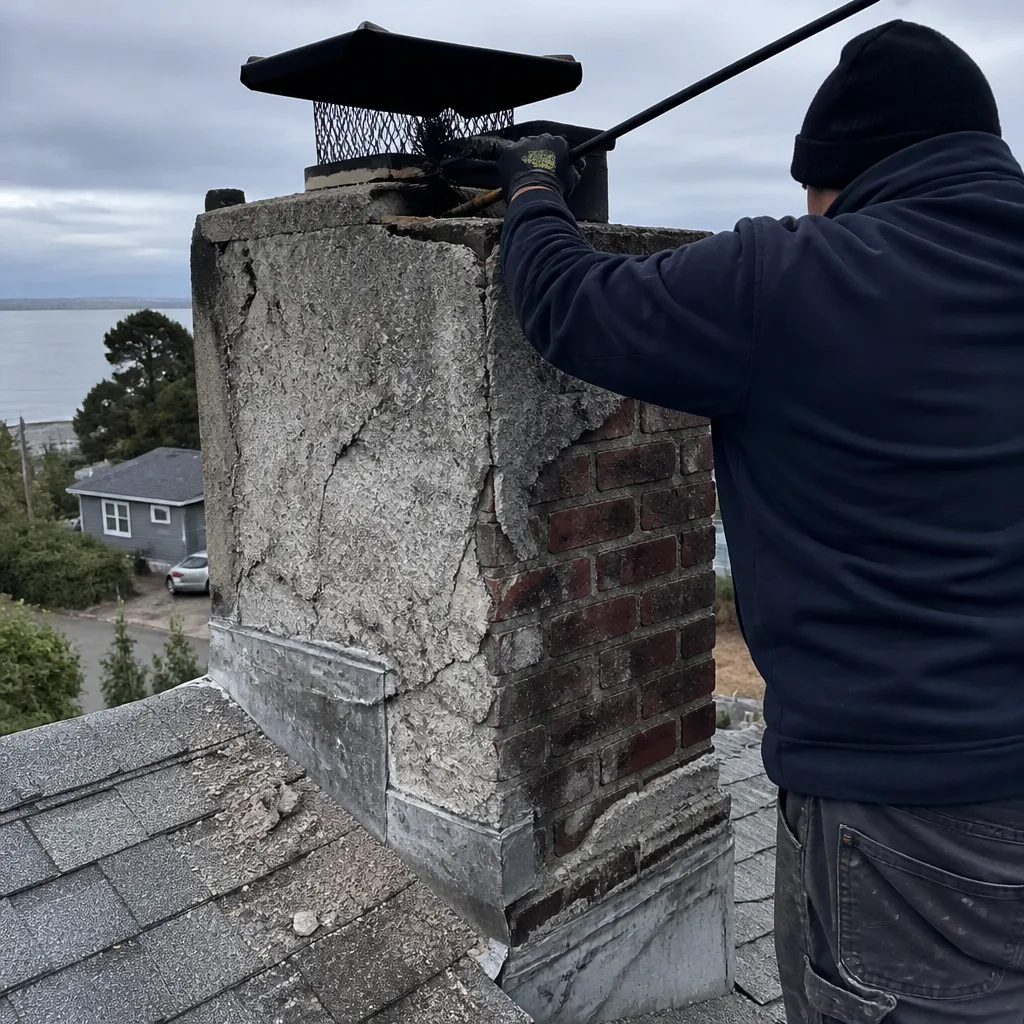
Salt air complicates this further. When fog condenses inside a chimney and evaporates, it leaves behind microscopic salt residues. Those residues sit against mortar joints day after day. Over time, the salt crystallizes and expands inside the porous mortar surface, a process called salt fretting. We’ve seen mortar crowns in Sea Cliff lose a quarter-inch of surface material in three years, while identical construction two miles inland shows almost no wear. The fog isn’t just damp – it’s carrying dissolved sea salt directly into your chimney’s masonry.
The practical takeaway: don’t follow an inland maintenance schedule. A Sea Cliff chimney that hasn’t been swept in two years is typically in worse shape than a San Rafael chimney that’s gone three.
How Often Should You Sweep a Chimney in Sea Cliff?
The standard advice from the Chimney Safety Institute of America (CSIA) is to sweep when creosote buildup reaches 1/8 inch, regardless of calendar schedule. But for Sea Cliff homeowners, we recommend a simpler rule: plan on once a year, and adjust based on usage.
Recommended Sweep Frequencies for Sea Cliff Homes
- Wood-burning fireplace, used 1-2 times per week during winter: once per year, in early fall.
- Wood-burning stove as primary heat source: twice per year, once before burn season and once mid-season.
- Occasional fire (a few times per year, mostly for holidays): every 18-24 months is often sufficient, but have it inspected annually anyway due to the coastal moisture factor.
- Gas insert or gas fireplace: annual inspection and cleaning, not because of creosote, but because marine layer moisture corrodes flue components faster here than inland.
If you skip a year, you’re not just gambling on creosote accumulation. You’re gambling on what the fog has been doing to your mortar joints and flashing in the meantime. In Sea Cliff, a skipped inspection is a missed opportunity to catch water intrusion early – and water intrusion is the single most expensive repair most chimneys ever need.
What a Professional Chimney Sweep Actually Includes
A legitimate sweep is not someone running a brush up and down for ten minutes. The full process should include several distinct steps, and you should know what to expect before you hire anyone.
Step-by-Step: What Happens During a Sea Cliff Chimney Sweep
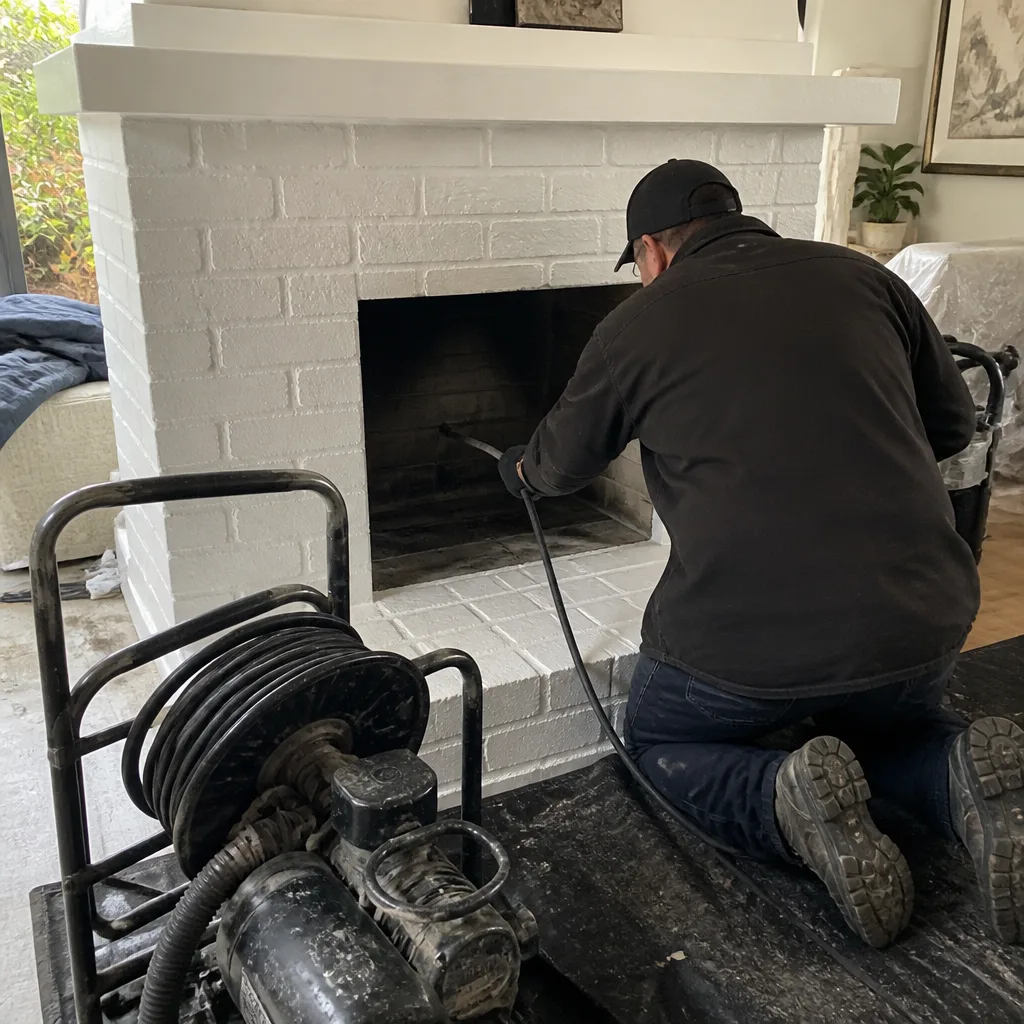
- Interior protection setup. The sweep lays drop cloths and seals the fireplace opening to keep soot out of your living space. A vacuum with a HEPA filter should be running throughout.
- System inspection. Before cleaning, the technician examines the flue, firebox, damper, chimney cap, crown, and flashing. This is when structural issues get flagged – and in Sea Cliff, structural issues are common.
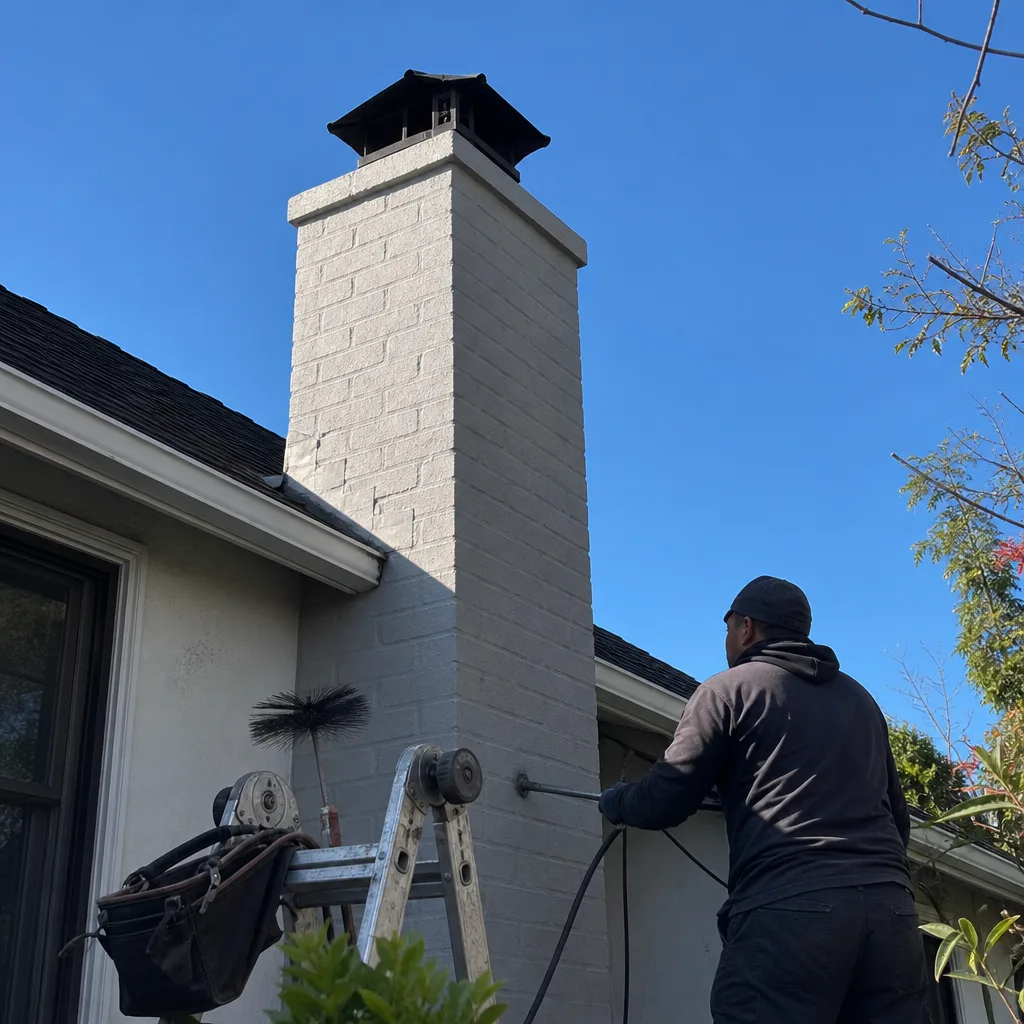
- Mechanical cleaning. Wire brushes sized to the flue dimensions scrape creosote from the walls. For heavier buildup, rotary cleaning loops attached to a drill do the job more thoroughly.
- Debris removal. The sweep removes fallen creosote, leaves, twigs, and any animal nesting material from the smoke chamber and firebox.
- Post-sweep visual verification. The technician re-inspects the flue to confirm the walls are clear and no damage was exposed during cleaning.
- Written report. You should receive a summary with photos from the inspection. For coastal Sea Cliff homes, we always include photographs of the mortar joints and crown, because those are the surfaces that change fastest here.
Before you book, ask if the company uses a camera inspection as part of routine service. Some companies in the Bay Area charge extra for camera work. We consider it standard for any Sea Cliff home because the climate creates problems you cannot see from the firebox opening alone. A photo report also gives you the baseline we discuss in the documenting section below.
The Coastal Inspection Checklist: What We Look For
Here’s the thing about chimney inspections in Sea Cliff, detailed in The Complete Guide to Chimney Cleaning in Sea Cliff: the standard CSIA 21-point checklist is a fine starting point, but it doesn’t weight for coastal degradation. We’ve adapted it. These are the six items we prioritize on every Sea Cliff inspection, in order of how often they reveal problems.
- Mortar joint condition on the exterior chimney stack. Run a finger along the joints at the base of the chimney and around the top. If the mortar feels sandy or has visible gaps between bricks, the salt-fretting process is underway. Early re-pointing costs a few hundred dollars. Waiting until bricks loosen doubles or triples the job.
- Chimney cap presence and condition. In Sea Cliff, a missing or rusted chimney cap doesn’t just let rain in – it lets fog condense directly on the flue walls. If you don’t have a cap, get one. If you have one, check annually for rust-through, especially where the screen mesh meets the frame.
- Crown cracks and spalling. The concrete crown at the top of the chimney is your first line of defense against water. Hairline cracks widen with each wet-dry cycle. In Sea Cliff, those cycles happen daily during summer fog season, not just when it rains.
- Flashing separation at the roofline. Coastal temperature swings between fog and afternoon sun cause the metal flashing to expand and contract repeatedly. The sealant between flashing and brick eventually pulls away. Look for gaps or lifted edges from the ground; a sweep can inspect from the roof.
- Flue wall surface texture. Smooth creosote can be brushed. Glazed, tar-like creosote means the fire has been burning cool and the flue is still holding moisture. In Sea Cliff, we expect to see more glazed deposits than in dry inland areas – and glazed creosote sometimes requires chemical treatment before mechanical removal will work.
- Damper rust and mobility. The damper sits at the bottom of the flue, where fog condensation pools. A stiff or rusty damper is often the first tangible sign that moisture has been sitting in the chimney during summer months.
If you want to do a quick self-check before calling, the first three items are visible from your yard or the street. Everything else requires getting on the roof, which we don’t recommend for homeowners on Sea Cliff’s often steep, moisture-slicked rooflines.
Clay Tile vs. Stainless Liners in a Damp Climate
Most Sea Cliff homes built before 1980 have clay tile flue liners. Most built after 1980 have either clay tile or, increasingly, stainless steel. Both are legitimate. Both behave differently in a coastal climate.
Clay Tile Liners
Clay tiles are durable and inexpensive, but they’re rigid and porous. In Sea Cliff’s wet-dry cycle, water absorbed into the tile surface expands and contracts constantly. Over time, this causes flaking called spalling, where the inner surface of the tile begins to shed. Spalled tile pieces can fall into the flue and block airflow. More critically, cracks in clay tiles expose the masonry behind them to direct heat and moisture, which accelerates degradation.
If your Sea Cliff home has a clay tile liner and it’s more than 20 years old, ask for an annual visual check of the tile surfaces. The fog doesn’t crack tiles directly. It weakens them so that normal thermal expansion does the final damage, usually mid-winter when the chimney is working hardest.
Stainless Steel Liners
Stainless liners are much better suited to humid environments. They don’t absorb moisture, they expand and contract smoothly, and they resist the corrosive salt-air attack far better than masonry. The tradeoff: when they do fail, it’s usually at a seam or connection point, and a failed liner isn’t repairable – it needs replacement.
We install and maintain flexible stainless liners in Sea Cliff using DuraFlex systems, the same liner components used by chimney restoration specialists throughout North America. In our experience, the right solution for many Sea Cliff homes with failing clay liners is a DuraFlex stainless liner, which handles the coastal conditions and eliminates the spalling problem permanently. The liners themselves are professional-grade – the same product line a specialty restoration company would specify, not a consumer part off a hardware store shelf.
Documenting Your Chimney Year Over Year
Here’s a practice most Sea Cliff homeowners never hear about, and it’s the single most valuable thing you can do for your chimney’s long-term health: take photos. Compare them. Keep a file.
How to Document Your Chimney’s Condition
- Take four photos from the ground every year, in the same month. North side, south side, east side, west side. Use your phone.
- Zoom in on the mortar joints around the top of the chimney. That’s where deterioration starts, and it’s visible from the ground with a phone camera.
- Photograph the interior firebox from the same angle each year. Look at the back wall, side walls, and the damper area. Creosote texture changes are visible here.
- Request camera inspection photos from your sweep. A good sweep provides them. A sweep who won’t show you pictures of your own flue is not doing a complete job.
- Keep everything in one folder. Year one is your baseline. Year three, you’ll see trends: a mortar joint opening slightly, a crown crack lengthening, creosote accumulating faster in one corner.
The reason this matters in Sea Cliff specifically is that coastal deterioration is incremental. It doesn’t announce itself. A small area of spalling mortar in year two becomes a leak in year five if no one flagged it. Catching trends early turns a chimney rebuild into a re-pointing job. It’s the difference between a $400 repair and a $4,000 one, and the only tool you need is a phone camera and the habit of using it once a year.
A Month-by-Month Maintenance Calendar for Sea Cliff
Your chimney doesn’t need attention every month, but certain months matter much more than others in this climate. Here’s the calendar we’d follow if we owned a Sea Cliff home.
January – February: Peak Burn Season
You’re using the fireplace weekly, and the chimney is working hard. This is when glazed creosote forms fastest, especially if you burn evenings when coastal temperatures drop. Watch for: smoke backing into the room, a stronger-than-normal odor during fires, or visible creosote flakes falling into the firebox. If you notice any of these, the flue needs attention before the season ends.
March – April: Post-Season Assessment
The burn season is winding down. Now is the time to assess any issues that came up during winter. A March or April camera inspection catches problems while the evidence is fresh. If you had any smoke problems or slow-draft events, note them and share them with your sweep.
May – June: Fog Season Begins
The marine layer returns full-time. Moisture starts condensing inside the flue. If you don’t have a chimney cap, this is when the interior of the chimney stays damp for weeks. It’s also nesting season for birds, which love an uncapped chimney in Sea Cliff.
July – August: The Salt Attack
This is the peak of salt-fretting activity. Fog condenses, evaporates, condenses again – every day, the mortar joints cycle through wet and dry with salt residues in the mix. Monitor exterior mortar joints. If they look sandier than they did in January, book an inspection before rainy season.
September: The Critical Sweep Month
Schedule your annual sweep now. You’ll beat the fall rush, and you’ll enter burn season with a verified-clean flue. If the sweep finds damage, you still have October or November for repairs before you actually need the fireplace.
October – November: Repair Window
This is the season for masonry work, crown repairs, liner installation, and flashing replacement. The weather is still mild enough for exterior work, and the chimney hasn’t been heated recently, which makes repairs easier and more durable.
December: System Check
First fires of the season. Test the damper movement. Check for any leaks or drafts. If you swept in September and repaired in October, December is simply the payoff month: a clean, dry, properly capped chimney doing what it’s supposed to do.
When a Sweep Isn’t Enough: Repair Signals
A chimney sweep removes creosote and gives you a view of the system. In Sea Cliff, that view frequently reveals problems that require more than cleaning. Here are the most common repair signals we see, and what they mean.
Signal 1: Flaking or Spalling Clay Tiles
If your camera inspection shows tile surfaces flaking, the liner is failing. In a damp climate, this isn’t going to stop. You can reline with a stainless system like DuraFlex, or in some cases resurface the existing liner using a ceramic product like HeatShield. The resurfacing route preserves the clay tile structure while sealing the damaged surfaces, and it’s a repair option many sweep-only companies can’t offer because they don’t have the training or supplier access. We’ve used HeatShield on Sea Cliff chimneys where the original clay tile was mostly intact, and it’s a legitimate option that keeps costs below a full reline.
Signal 2: Water Stains on the Ceiling or Wall Near the Chimney
This is rarely the roof. It’s usually the flashing or the crown. Water that gets behind the flashing runs down the chimney structure and shows up as a ceiling stain two feet from the fireplace. A sweep will identify the entry point during inspection. The repair is usually straightforward, but it needs to be done before the rainy season turns a $200 caulking job into drywall replacement.
Signal 3: Strong Odors on Humid Days
If your living room smells like a campfire in August, the flue is holding creosote and moisture together. The odor is a sign that the creosote layer is saturated and the fireplace is essentially humidifying itself into your home. This is one of the most common complaints in Sea Cliff, and the fix is usually a thorough sweep followed by chimney cap installation if one isn’t present.
Signal 4: Rusty Damper or Visible Rust on Metal Components
Rust doesn’t happen in dry chimneys. If the damper is rusting, moisture is getting in from somewhere. The fix isn’t just cleaning the damper – it’s finding the moisture source: missing cap, cracked crown, failing flashing, or simple condensation. In Sea Cliff, condensation alone can rust a damper over several foggy summers, even with a cap in place.
If you’re seeing any of these signals, a Chimney Repair in Sea Cliff is the next step. We tell every homeowner the same thing: don’t panic, don’t replace the whole chimney, and don’t let anyone sell you a rebuild until you’ve seen photos of the damage yourself.
Common Mistakes to Avoid
- Following an inland sweep schedule. Sea Cliff’s fog season means your chimney needs annual attention, even if you burn infrequently. Skipping years in this climate doesn’t look like skipping years inland.
- Not having a chimney cap. In a place where fog is a daily weather event, an uncapped chimney is taking on moisture every single night for months at a time.
- Burning unseasoned wood. Wet wood leads to cooler fires and wetter creosote, and in Sea Cliff’s already-humid flue environment, that’s a compounding problem. Use wood that’s been split and dried for at least six months.
- Ignoring peeling paint or stains near the ceiling. By the time water shows up inside your house, it’s been working on your chimney for a while. Treat any interior moisture sign as an immediate inspection trigger.
- Hiring a sweep who doesn’t provide camera photos. If you can’t see the inside of your own flue after a cleaning, you haven’t really had an inspection. In Sea Cliff, the problems you need to see are the ones inside the flue walls.
- Waiting until November to schedule. The entire Bay Area books chimney services in late fall. You’ll wait longer, pay the same amount, and possibly enter burn season without service. September is the month.
- Assuming a gas fireplace needs no maintenance. Gas systems don’t make creosote, but they still face Sea Cliff’s moisture, and moisture corrodes flue components and burner assemblies regardless of fuel type.
See the difference
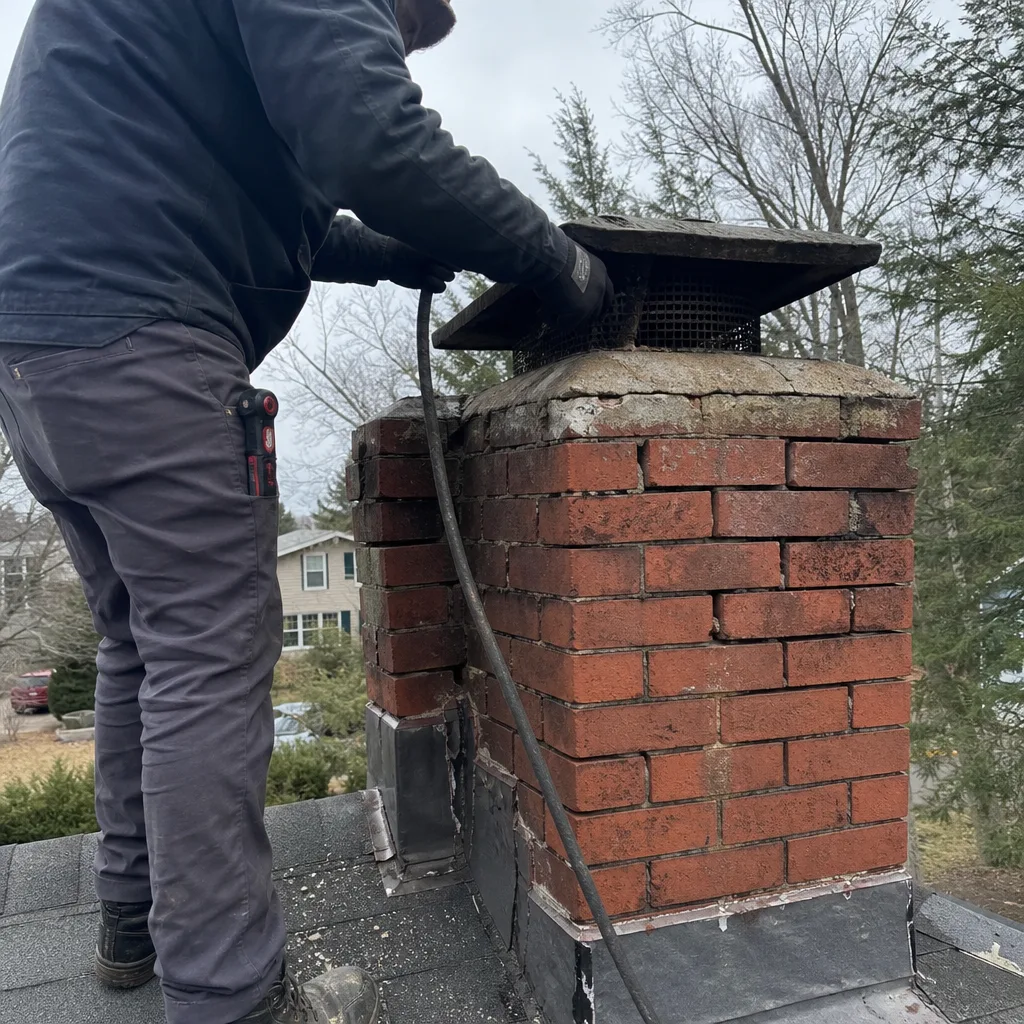 Before
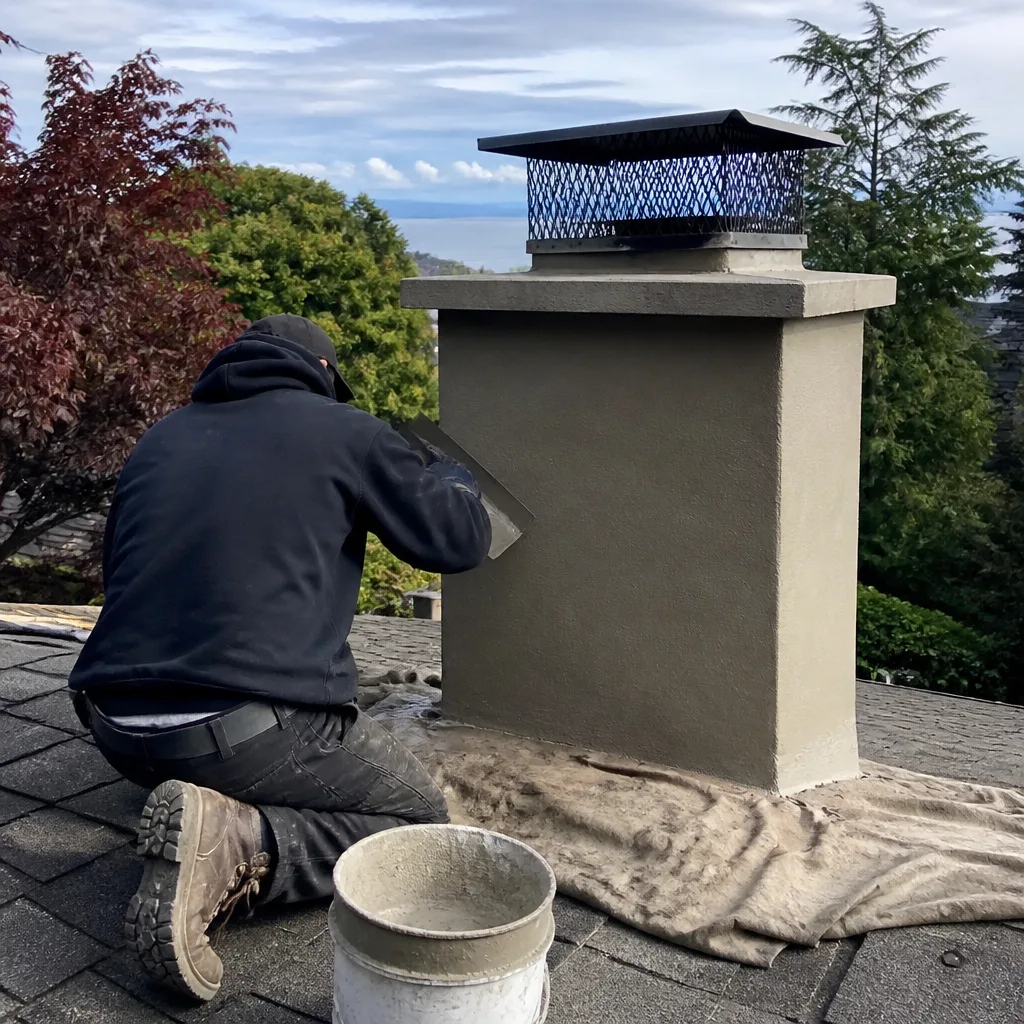 After
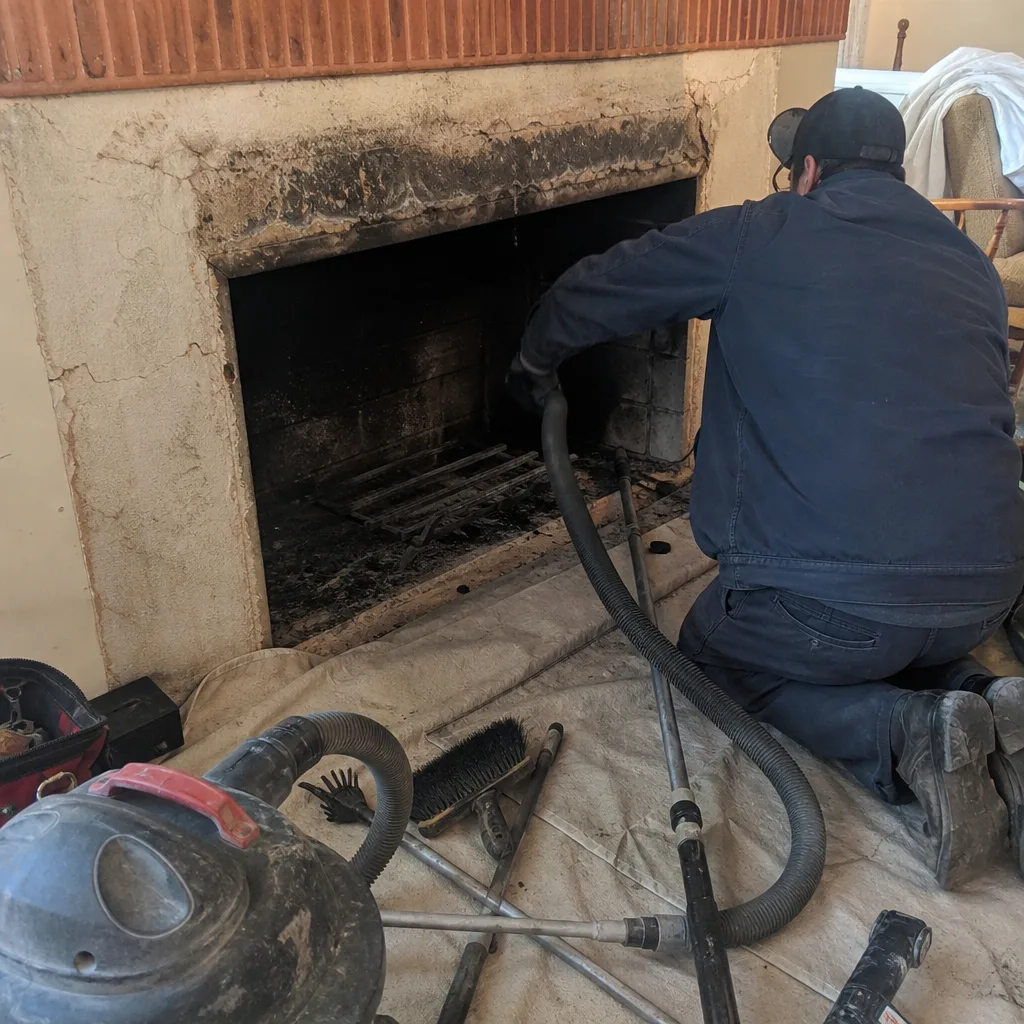 Before
 After
 Before
 After
When to Call a Professional
You can photograph your chimney from the ground, check the damper movement, and keep a visual log of masonry changes. But if you see any of the following, it’s time to bring in someone who works on these systems professionally: flaking mortar joints or loose bricks on the exterior chimney, water stains anywhere near the fireplace, a damper that won’t open or close, visible creosote buildup inside the firebox, a strong smoky odor in summer, or any smoke backing into the room during a fire. These are not maintenance items. They’re diagnostic signals, and professional tools make the difference between a real diagnosis and a guess. Always confirm the company has camera inspection capability and can repair what they find – not just tell you to call someone else. Sunstone Chimney Sweep offers free estimates in Sea Cliff – call (833) 593-0743.
Frequently Asked Questions
A standard chimney sweep in Sea Cliff typically costs between $185 and $295, depending on the flue type, accessibility, and the amount of creosote present. Expect to pay more if the flue hasn’t been swept in several years or if glazed creosote requires chemical treatment. Camera inspection is sometimes a separate line item, so ask about it when booking. Call (833) 593-0743 for an exact quote – estimates are free.
Not necessarily. Cracked or spalled clay tiles mean the liner is compromised, but you may have options short of a full rebuild. A stainless steel flexible liner from a system like DuraFlex is the standard long-term solution. In some cases where the original tile is mostly intact, a ceramic resurfacing material like HeatShield can restore the liner surface without demolition. The right answer depends on a camera inspection of the tile condition, and any qualified Sea Cliff chimney company should show you the photos before recommending anything.
Once per year for most Sea Cliff homes with wood-burning fireplaces, before the burn season starts in the fall. Homes that use a wood stove as a primary heat source should consider twice-yearly sweeps. Gas fireplace systems also benefit from annual inspection due to coastal moisture, even though creosote isn’t the concern. Call (833) 593-0743 to schedule your annual sweep.
In Sea Cliff’s marine layer climate, three things accumulate: creosote, moisture, and salt damage. Creosote buildup becomes a fire risk. Moisture in the flue accelerates mortar joint deterioration and rusts metal components. Salt residues from evaporated fog attack the masonry surfaces. None of these processes are dramatic on their own, but after two or three years they compound into repairs that cost several times what a sweep would have cost.
It’s a different venting system, but the safety principle is the same: exhaust pathways need to stay clear or they become fire hazards. Sunstone Chimney Sweep offers Dryer Vent Cleaning in Sea Cliff as a core service because clogged dryer vents are one of the leading appliance-related causes of residential fires in the U.S. per U.S. Fire Administration data. A full home fire-safety approach includes both the chimney and the dryer vent.
You can, but you shouldn’t. Professional chimney sweeping requires working at height, handling fine particulate and creosote safely, and – critically – knowing what you’re looking at once the flue is clean. In Sea Cliff, the inspection component matters as much as the cleaning because coastal conditions create hidden damage. A professional-grade camera inspection is the difference between maintaining your chimney and guessing about it. Hiring a qualified Chimney Sweep in Sea Cliff costs about the same as dinner for two and gives you documentation for the year-over-year file.
The Bottom Line
Sea Cliff’s coastal climate changes the math on chimney maintenance. The fog, the salt air, and the daily wet-dry cycles mean your chimney is under attack even when you never light a fire. A once-a-year sweep in September, a camera inspection with photo documentation, and a chimney cap in good condition, together, are the three highest-value moves you can make. Pay attention to the mortar joints on the exterior stack. Keep a photo file from year to year. And when something looks wrong, call someone who can both diagnose the problem and fix it, because Sea Cliff chimneys are too exposed to leave these things to chance. For a free estimate, call (833) 593-0743 or visit the Sunstone Chimney Sweep home page to learn more about our full-service approach.
Written by the team at Sunstone Chimney Sweep, serving Sea Cliff since 2011. Find more guides & resources on our blog.