
Last updated November 2, 2026
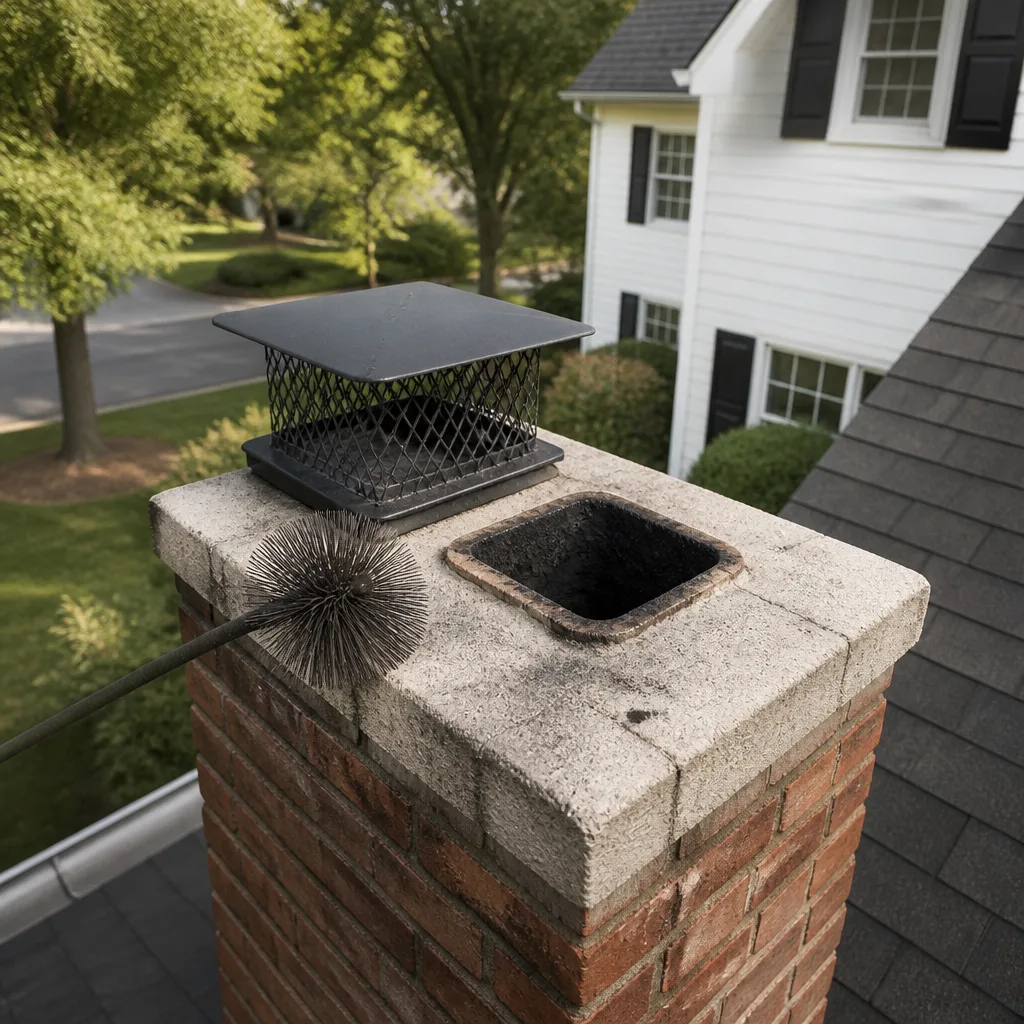 Sweep & inspection
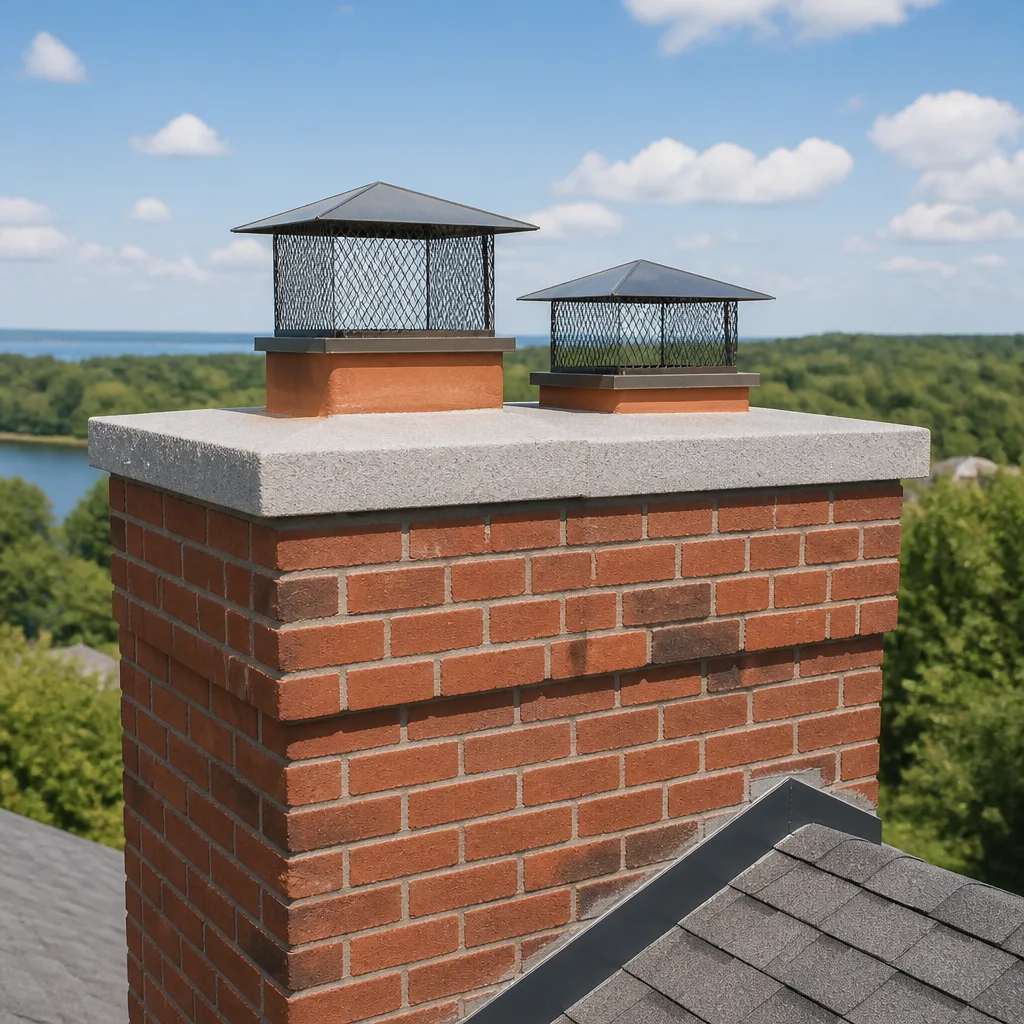 Caps & crowns
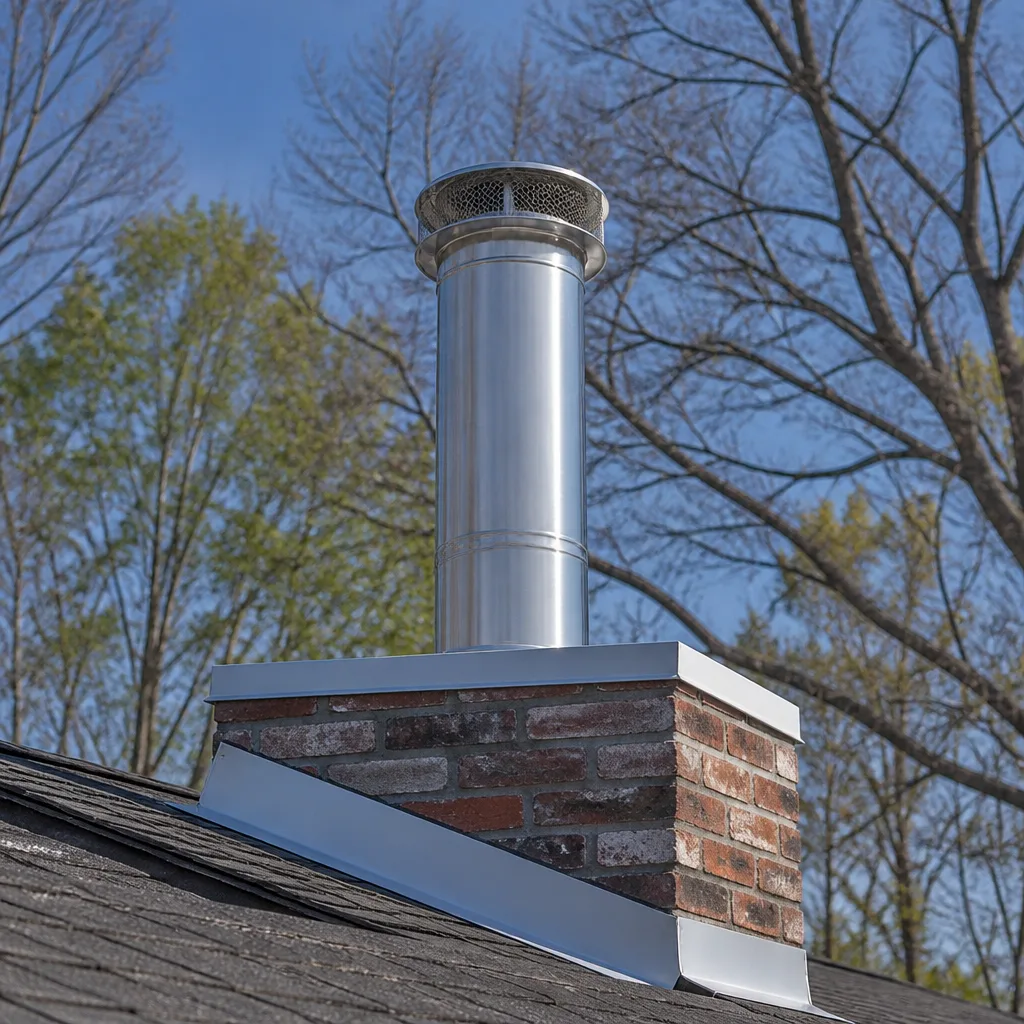 Flue relining
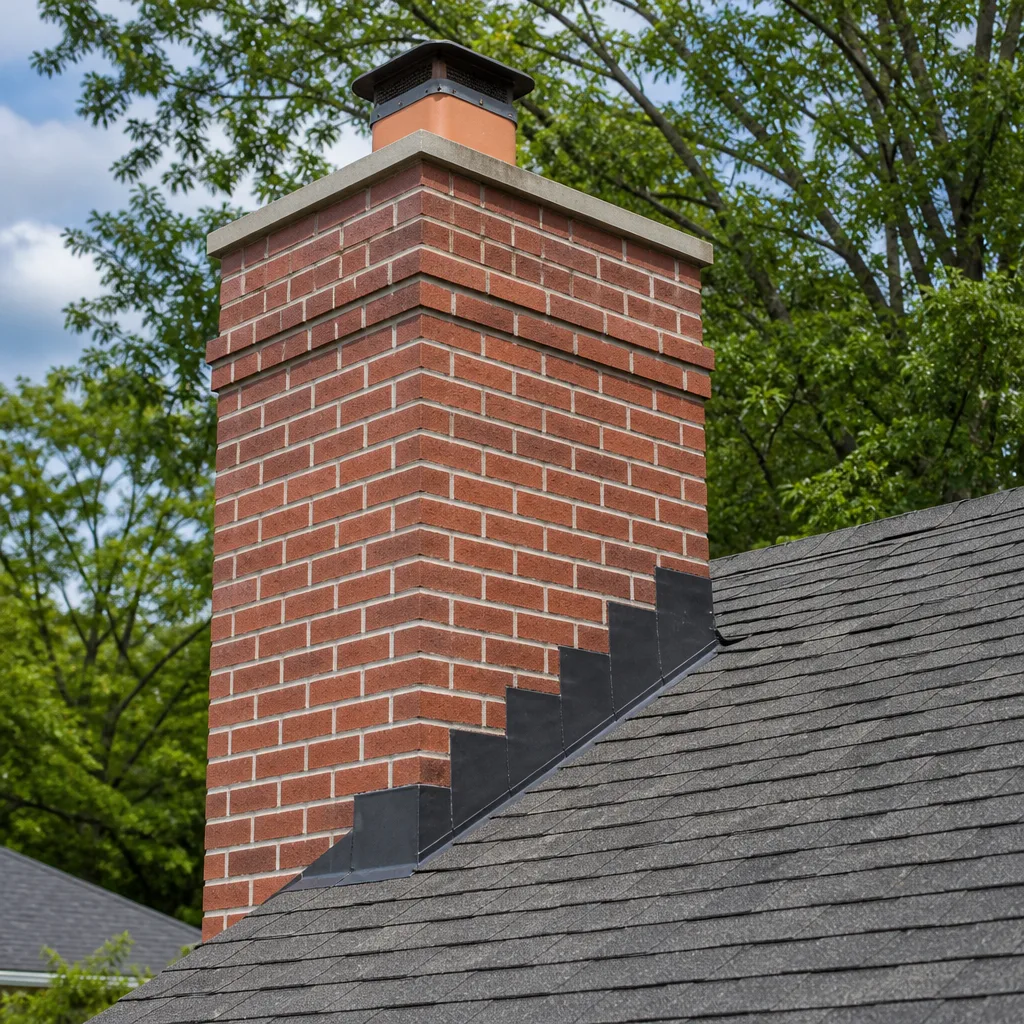 Masonry repair
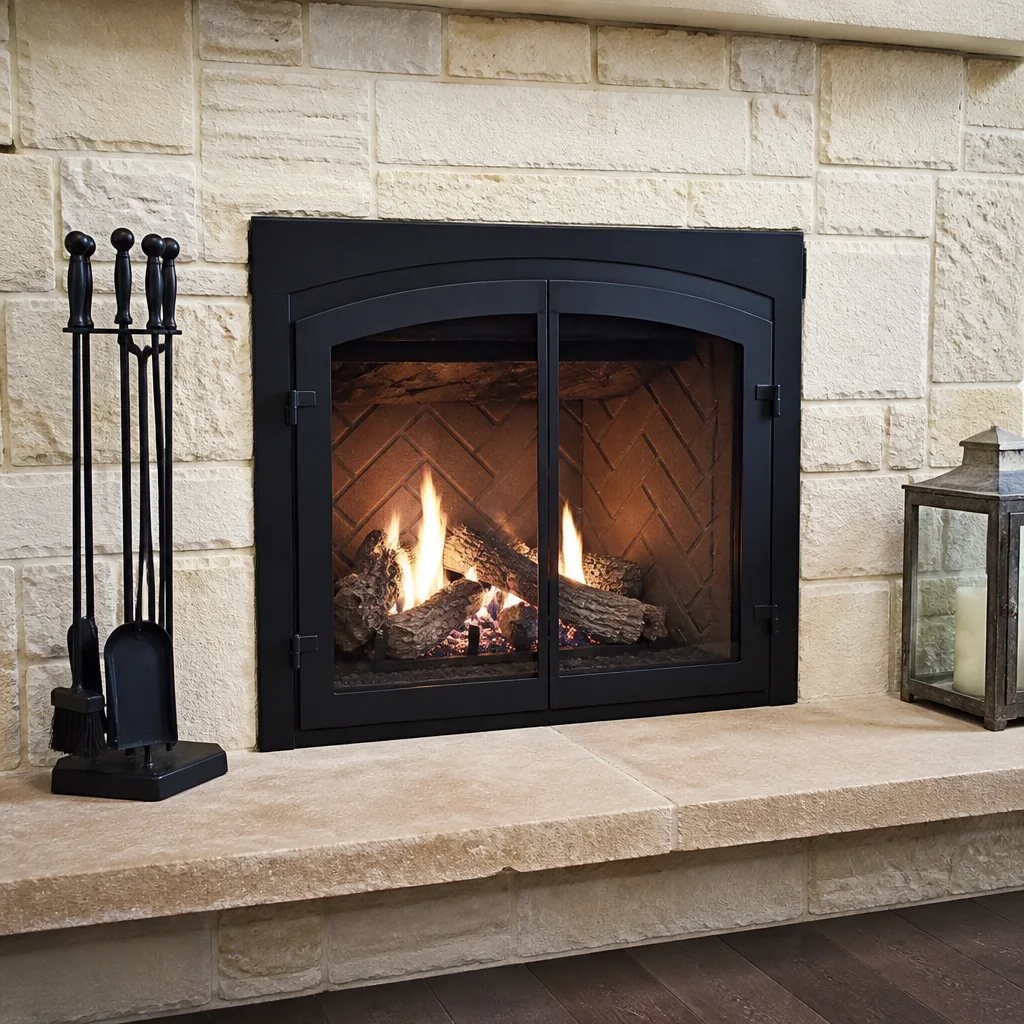 Gas fireplace service
Level 1 sweep and inspection to the NFPA 211 annual standard - flue, crown, cap, and flashing checked and photographed
Chimney sweep logs do not sweep chimneys. They loosen some creosote - which then falls where a brush and vacuum still have to collect it.
Chimney Cleaning Permits, Codes & Inspections in CA: What You Need to Know
Most chimney sweeping in California doesn’t require a permit. But here’s what most homeowners never learn until it’s too late: the repair work a professional sweep uncovers almost always does, and skipping that permit can give your insurance company grounds to deny a fire claim. A $249 cleaning can turn into a $14,000 uninsured loss because nobody pulled a $180 permit. We’ve seen it in Sea Cliff, where older hillside homes built in the 1950s and 60s hide decades of deferred chimney maintenance behind their stucco walls. This guide walks you through the layered mess of state building code, local amendments, and NFPA standards so you know exactly what requires approval, what doesn’t, and how to document everything properly. For more guides & resources, see our blog.
Styles & brands we work with
- Sweep & inspection
- Caps & crowns
- Flue relining
- Masonry repair
- Gas fireplace service
Quick Answer
Routine chimney sweeping and visual inspections do not require a permit anywhere in California. However, any repair that alters the chimney’s structure or venting system, such as liner replacement, flue resurfacing, masonry rebuilding, or appliance venting changes, requires a permit through your local building department. In Sea Cliff, that means going through Marin County’s permitting system, which adopts California Mechanical Code with local amendments. The permitting authority is your city or county, not the state, and NFPA 211 sets the inspection standard that determines when a permit-triggering repair is actually necessary.
Table of Contents
- Who Actually Regulates Chimneys in California
- What Triggers a Permit: The Specific Work That Crosses the Line
- NFPA 211: The Inspection Standard That Determines Everything
- Title 24 and the California Mechanical Code: What the State Requires
- Marin County and Sea Cliff Amendments: When Local Code Is Stricter
- Insurance After a Chimney Fire: What Documentation Insurers Demand
- Common Mistakes to Avoid
- When to Call a Professional
- Frequently Asked Questions
- The Bottom Line
Who Actually Regulates Chimneys in California
California operates on a hierarchy that confuses even experienced contractors. At the top sits the California Building Standards Code, Title 24, which the state updates every three years. Within Title 24, the California Mechanical Code (CMC) contains the specific provisions governing chimneys, vents, and solid-fuel appliances. But here’s the part most homeowners miss: the state writes the minimum code, and your local jurisdiction enforces it with amendments. Marin County, where chimney sweep service in Sea Cliff operates, adopts the CMC but can and does add stricter requirements. The California Energy Commission, state fire marshal, and local air quality districts also weigh in on specific aspects like spark arrestors and wood-burning appliance restrictions. What this means practically: a chimney setup that passes in one California county can fail in another because the local amendment changed a clearance requirement or venting standard.
Then there’s NFPA 211, published by the National Fire Protection Association. It’s not a law in itself, but California courts and insurers treat it as the professional standard of care. When a sweep inspects your chimney and finds a deficiency, they’re almost always citing a Chapter in NFPA 211. The CMC references NFPA 211 directly for many installation and clearance requirements. In Sea Cliff, where homes range from 1920s Spanish Colonials along the bluff to 1990s rebuilds in the flats, the code that applies depends partly on when the chimney was built and partly on what work is being done now. Older chimneys don’t need to be brought fully up to current code unless you’re doing work on them, at which point the new work must comply with current standards.
One more layer worth knowing: the California Building Code (CBC), also part of Title 24, governs the structural aspects of masonry chimneys. The CMC handles venting and clearances. The CBC handles the brick, mortar, and reinforcement. When a chimney leans, cracks, or shows seismic damage, the CBC is the relevant code. After the 1989 Loma Prieta earthquake, Marin County tightened several seismic requirements for masonry chimneys, and those amendments still affect repair permits in Sea Cliff today.
What Triggers a Permit: The Specific Work That Crosses the Line
The cleanest way to think about it: if the work touches the chimney’s structure or changes how it vents, you need a permit. If you’re only removing creosote and soot from an intact system, you don’t. Here are the specific triggers:
- Liner replacement or relining: Installing a stainless steel liner system, such as chimney repair work in Sea Cliff that involves a DuraFlex flexible liner, always requires a permit. The liner is considered part of the venting system, and its installation must be inspected.
- Flue resurfacing: Ceramic resurfacing products like HeatShield change the flue’s internal dimensions and material. Permit required.
- Masonry rebuilding: Any structural repair beyond minor repointing requires a permit. In Marin County, that threshold is generally repairs exceeding 10% of a wall’s surface area or any work affecting structural integrity.
- Chimney cap installation: This one surprises people. A simple screw-on cap that doesn’t alter the flue opening usually doesn’t require a permit. But a full-coverage cap that changes draft characteristics or incorporates a damper can cross into permit territory. When in doubt, ask Marin County Building Division.
- Appliance swaps: Replacing a wood-burning stove, insert, or gas fireplace changes the venting system. Permit required, no exceptions. This includes connecting a new appliance to an existing chimney.
- Height extensions: Extending a chimney chase to correct a draft problem requires a permit and often triggers a structural engineering review in Marin County’s seismic zone.
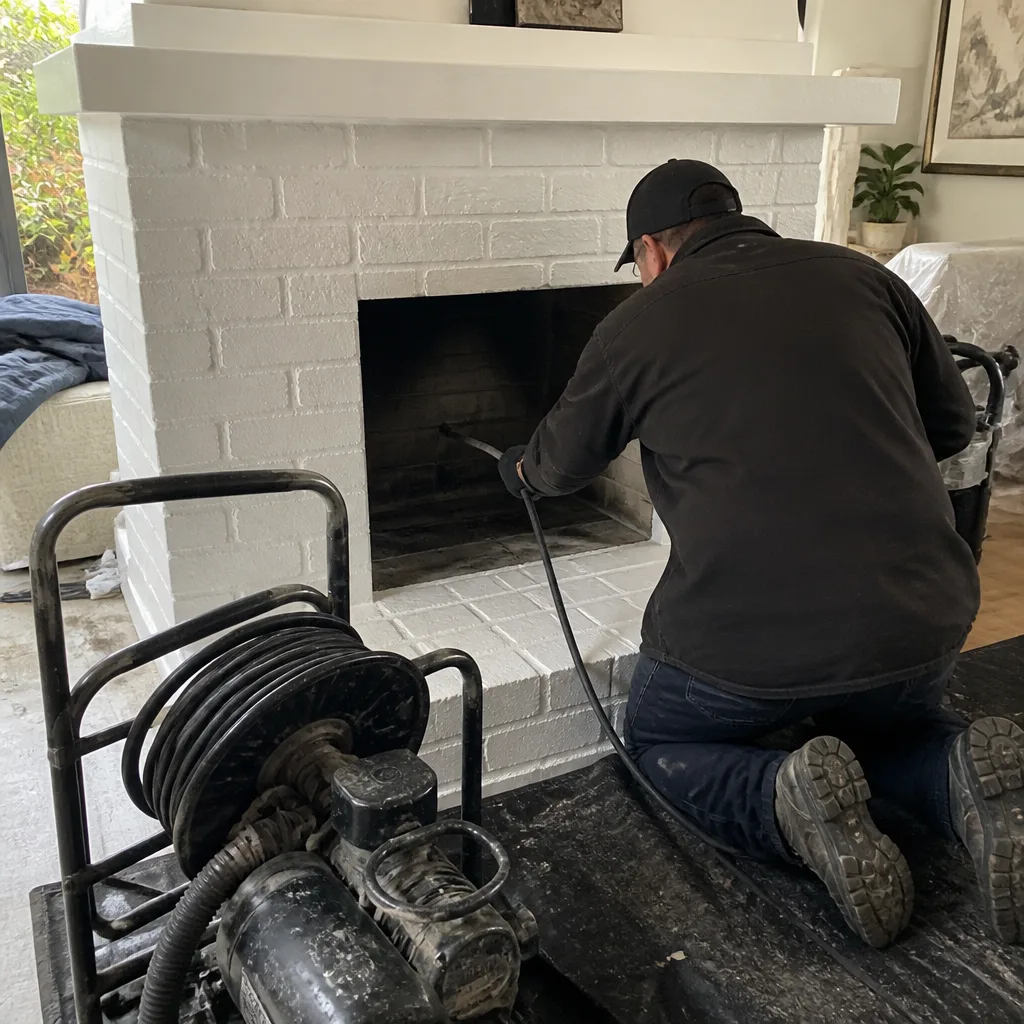
What about the cleaning itself? A standard sweep uses brushes and vacuum equipment to remove creosote deposits from an existing flue. No structural change, no venting change, no permit. The Sunstone Chimney Sweep home team performs this work routinely across Sea Cliff without permit paperwork. The issue arises when the sweep finds damage during the cleaning. At that point, any repair recommendation carries a permit obligation, and that’s where the documentation trail begins.
NFPA 211: The Inspection Standard That Determines Everything
NFPA 211 uses a three-level inspection framework that has become the industry standard. Understanding these levels helps you know what a sweep is actually doing and what their findings mean for permit requirements. For a deeper look at common issues, see our Chimney Sweep Troubleshooting: Common Problems and How to Fix Them.
- Level 1 inspection: The standard annual check. The sweep examines the readily accessible portions of the chimney, verifies the flue is clear of obstructions and combustible deposits, and confirms basic installation soundness. No special equipment, no permit implications, usually bundled with cleaning. This is what most Sea Cliff homeowners get during their annual chimney sweep.
- Level 2 inspection: Required when you’re selling a home, changing the appliance, after a chimney fire, or after an earthquake or severe weather event. The sweep uses video scanning equipment to inspect the entire flue interior. Findings at this level are what typically trigger permit-required repairs. If the camera shows cracked flue tiles, eroded mortar joints, or a damaged liner, you’re now in permit territory.
- Level 3 inspection: The most invasive. Required when a Level 2 inspection suggests hidden damage that needs confirmation. Portions of the chimney or building structure may need removal to access concealed areas. Level 3 findings almost always lead to permit-required work and often involve structural engineers.
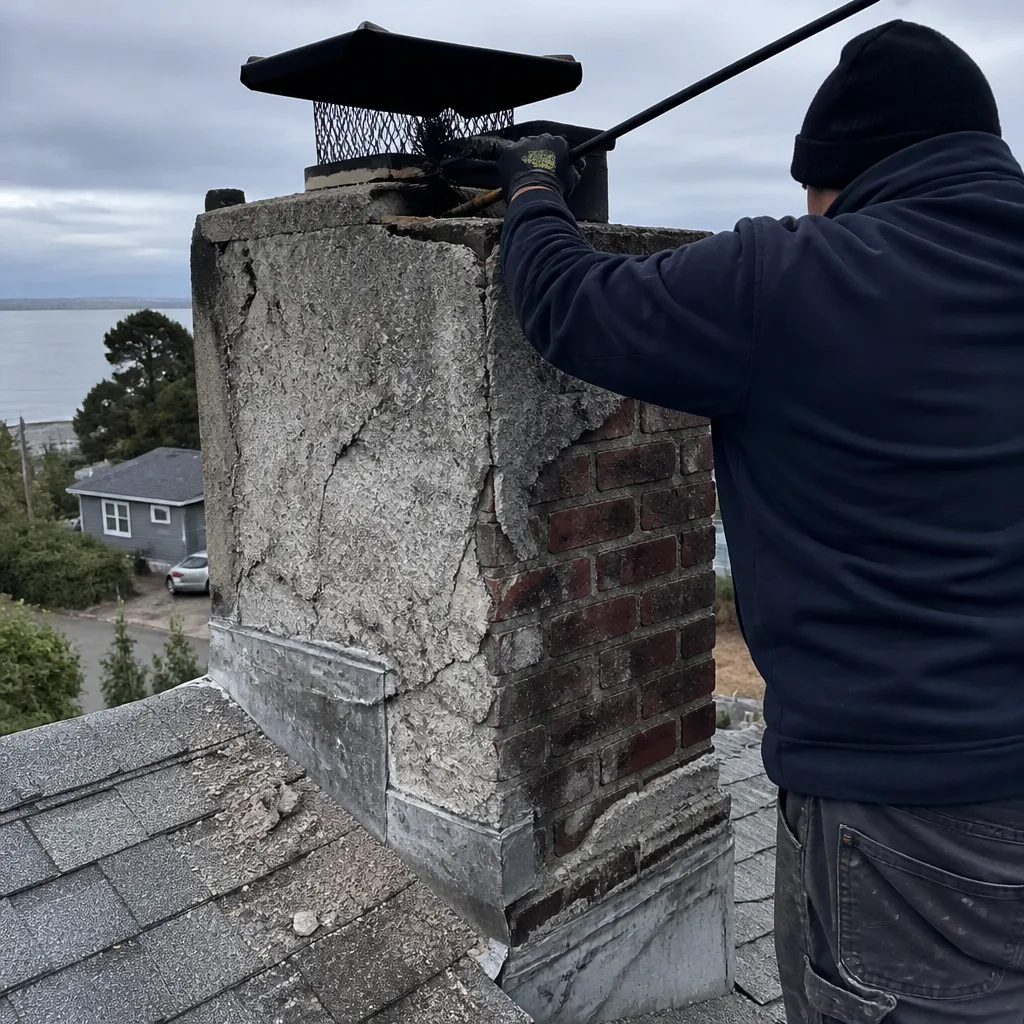
In Sea Cliff, where many chimneys run through interior walls of older homes, Level 2 video scans are particularly revealing. We regularly find flue tile deterioration in chimneys that look fine from the exterior. The marine air along the coastline accelerates mortar erosion, and decades of salt-laden fog take a toll on masonry that inland chimneys never experience. When a video scan confirms this kind of damage, the repair path runs through Marin County’s permit process, and trying to skip that step creates the liability problems this guide exists to prevent.
Title 24 and the California Mechanical Code: What the State Requires
The California Mechanical Code lives in Title 24, Part 4. Its chimney and vent sections are dense, but a few provisions matter most to homeowners:
- Venting clearances: The CMC specifies minimum distances between chimneys and combustible materials, typically 2 inches for interior masonry chimneys and 1 inch for exterior. These clearances are a common point of failure in older Sea Cliff homes where framing has shifted or insulation was added against the chimney chase.
- Connector requirements: The stovepipe or connector between your appliance and the chimney must meet specific thickness, slope, and fastening requirements. The CMC references NFPA 211 for many specifics.
- Spark arrestors: California requires spark arrestors on chimneys serving solid-fuel appliances in many designated fire hazard zones. Marin County, including Sea Cliff, falls within areas where this requirement is actively enforced. The arrestor must be listed to specific standards, and mesh size is regulated.
- Flue sizing: The CMC requires that flue size match the appliance’s requirements. A flue that’s too large or too small creates draft problems and can violate code, forcing a liner replacement or appliance change.
When we install a new chimney liner for a Sea Cliff home, the permit inspection verifies that the liner meets CMC material and sizing requirements. Professional-grade components, like Copperfield caps and DuraFlex liners, carry the listings that inspectors look for. Hardware store parts often do not, which is why we source from professional trade lines rather than retail suppliers. The inspector’s job is to confirm the installed system matches the approved plans and that all clearances and connections meet Title 24 minimums. If the installer used unlisted parts, the inspection fails and the work must be redone.
Marin County and Sea Cliff Amendments: When Local Code Is Stricter
Marin County operates its own building inspection division and publishes local amendments to the California Mechanical Code. Sea Cliff residents pull permits through Marin County Building and Safety in San Rafael. The amendments that affect chimney work include:
- Stricter seismic strapping requirements: After Loma Prieta and subsequent seismic studies, Marin County requires positive anchorage for masonry chimneys in certain retrofit situations. If your chimney repair involves structural work, expect the plan reviewer to evaluate seismic loads.
- Wildland-urban interface rules: Parts of Sea Cliff fall within designated wildland-urban interface zones, triggering additional requirements for ember-resistant venting and spark arrestors. These zones expand periodically, so a chimney that was compliant five years ago may not be today.
- Historic district overlay: Sea Cliff has several streets with historic designations that restrict exterior material changes. If your chimney is visible from the street and the repair changes its appearance, you may need design review in addition to the building permit.
- Bay Area Air Quality Management District rules: When you install a new wood-burning appliance, BAAQMD requires that it meet specific emission standards. This interacts with the permit process because the appliance’s emission certification must be on file before final inspection approval.
The practical takeaway: don’t assume that because a contractor did work on a chimney in another county, the same approach works in Sea Cliff. The Marin County amendments, combined with the coastal climate conditions and seismic concerns specific to the area, create a permit environment that rewards local experience. A contractor who doesn’t know the Marin County amendment threshold for masonry repair could easily miss a trigger that a local inspector catches immediately.
Insurance After a Chimney Fire: What Documentation Insurers Demand
Here’s the scenario that motivates this entire guide. A homeowner has a chimney fire. The fire department responds, the claim gets filed, and the insurer’s adjuster starts asking questions. Specifically, they want to see:
- Cleaning and inspection records: Receipts showing annual or recommended-interval cleaning by a professional service. If your last cleaning was eight years ago, expect a difficult conversation.
- Permit records for any repairs: If a liner was replaced, a flue resurfaced, or a masonry repair done, the insurer wants the permit number and final inspection approval. No permit, and the insurer can argue the work was unpermitted and therefore excluded from coverage.
- Evidence of NFPA-compliant inspection: A Level 2 inspection report from a qualified chimney professional demonstrating that the chimney was in safe condition before the fire.
- Repair documentation: Material specifications, installation photos, and sometimes a post-repair Level 2 video scan showing the completed work.
We’ve seen the difference proper documentation makes. A Sea Cliff homeowner with a ten-year file of cleaning receipts, a Level 2 inspection from two years prior, and a permitted liner replacement gets their claim processed without drama. A homeowner with nothing but a memory of “some guy who cleaned it once” faces a claim investigation that can drag on for months. The permit isn’t bureaucracy for its own sake. It’s the paper trail that protects you when something goes wrong. In Marin County, permit records are accessible through the building department, and insurers do pull them. The county’s online permit database makes this easy for adjusters, which means unpermitted work gets discovered quickly and quietly, usually with a coverage denial letter as the first notification.
Common Mistakes to Avoid
- Assuming the sweep’s recommendation is optional: When a professional sweep identifies a code violation or fire hazard and you decline the repair, that refusal is documented. If a fire occurs later, the insurance company will find that documentation. A $2,800 liner replacement is far cheaper than a denied $40,000 claim.
- Hiring an unlicensed contractor to save money: In California, any contractor performing work over $500 must hold a C-21 or B license with a specialty classification covering chimney work. Unlicensed work means no permit, no inspection, and no legal recourse if the work fails. The California Contractors State License Board takes an active role here.
- Skipping the permit because the project seems small: A chimney cap installation sounds minor. But if the cap changes the flue’s draft characteristics and leads to carbon monoxide backdrafting, an unpermitted installation becomes a silent hazard and an insurance problem.
- Using consumer-grade parts from a hardware store: Big box stores sell chimney parts that look similar to professional-grade components but lack the UL listings and material specifications that inspectors require. A Copperfield cap and a generic hardware store cap are not interchangeable in the eyes of a Marin County inspector.
- Not verifying local amendments: Reading the state code online and assuming it’s the final word misses the entire layer of local amendments that Marin County enforces. The county’s building division website posts current amendments, but interpreting them correctly usually requires local experience.
- Failing to photograph the work in progress: Insurers love documentation. Photos showing the old liner removed, the new liner installed, and the final inspection sticker create an irrefutable record that preempts adjuster skepticism.
- Assuming gas inserts make chimney maintenance obsolete: Gas inserts still vent through the chimney and still require inspection. Condensation from gas combustion is actually more corrosive to masonry and metal components than wood smoke in many cases. The CMC requires inspections for gas venting systems too.
When to Call a Professional
A chimney sweep with video scanning capability and code knowledge is worth their fee the moment you suspect anything beyond basic creosote buildup. Specific situations that warrant a professional call: you’ve just bought a home in Sea Cliff and don’t know the chimney’s service history, you’re changing appliances and need to know if the existing flue will work, you’ve had a chimney fire or a near-miss, you’ve noticed masonry cracks or water staining around the chimney chase, or your last cleaning was more than two years ago. See our Chimney Cleaning Warning Signs: A Sea Cliff Homeowner’s Reference Guide for more details. The camera doesn’t lie, and a Level 2 inspection produces a documented record that serves you whether you need repairs now or just want baseline documentation. Sunstone Chimney Sweep offers free estimates in Sea Cliff, and our team can walk you through exactly what your chimney needs and what the Marin County permit process will involve. Call (833) 593-0743 to schedule a visit.
Frequently Asked Questions
No. Standard chimney sweeping that removes creosote and soot from an existing, intact system does not require a permit anywhere in California, including Sea Cliff. Permits become necessary only when the cleaning reveals damage that requires structural repair, liner replacement, or venting changes.
A standard chimney sweep and Level 1 inspection in the Sea Cliff area typically runs between $189 and $289, depending on chimney height, accessibility, and creosote buildup. Level 2 video inspections add $100 to $200, and homes in the hillside neighborhoods with steep roof pitches or difficult chase access fall at the higher end. Call (833) 593-0743 for an exact quote, estimates are free.
California law requires sellers to disclose unpermitted work, and Marin County title searches include permit record checks. Unpermitted chimney work discovered during escrow can delay or derail a sale, force corrective permitting at your expense, or become a negotiation point that costs you far more than the permit would have. Buyers in Sea Cliff increasingly hire chimney inspectors specifically to look for unpermitted repairs.
NFPA 211 recommends annual inspection and cleaning as needed for solid-fuel chimneys. In practice, most Sea Cliff homeowners with regular fireplace use need a sweep every one to two years. Our Chimney Sweep Maintenance Checklist for Sea Cliff Homeowners can help you stay on track. Homes that burn unseasoned wood or use the fireplace as primary heat may need more frequent service. Gas appliance venting should be inspected annually as well, though cleaning needs vary.
It depends on the cap type and installation method. A simple, listed spark arrestor cap that screws onto an existing flue tile without altering the system usually does not require a permit. A full-coverage cap, a custom cap, or any installation that modifies the flue opening or changes draft characteristics crosses into permit territory. When uncertain, the Marin County Building Division can confirm based on your specific situation.
Legally, California allows homeowners to perform work on their own primary residence without a contractor’s license, provided they pull the required permit and pass inspections. Practically, chimney relining involves working at height, handling rigid or flexible stainless steel components, and achieving proper termination and connections that meet CMC requirements. This is not a weekend project, and mistakes create exactly the fire and carbon monoxide risks that permits exist to prevent. We recommend professional installation for any liner system.
The Bottom Line
Chimney cleaning itself stays permit-free in California, but the repair work it reveals rarely does. The hierarchy matters: state code sets minimums, Marin County amendments add local strictness, and NFPA 211 provides the inspection framework that determines what needs fixing. Document everything, pull permits for anything structural or venting-related, and keep records that would satisfy a skeptical insurance adjuster. In Sea Cliff, where coastal conditions and seismic factors accelerate chimney wear, the homeowners who treat chimney maintenance as a documented safety system rather than an occasional chore are the ones who avoid catastrophic costs. A qualified sweep, a video inspection, and a properly permitted repair are the difference between a working fireplace and an uninsured liability.
Written by the team at Sunstone Chimney Sweep, serving Sea Cliff since 2011.
See the difference
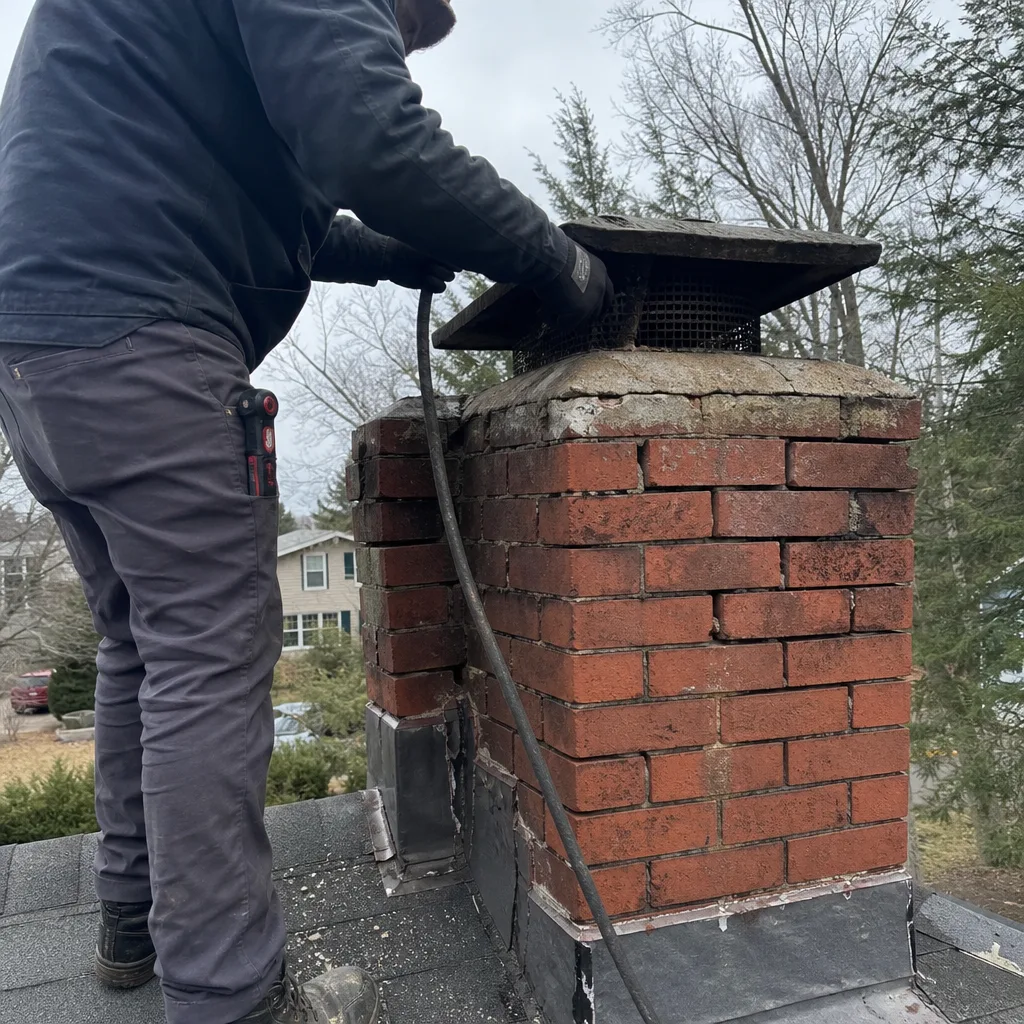 Before
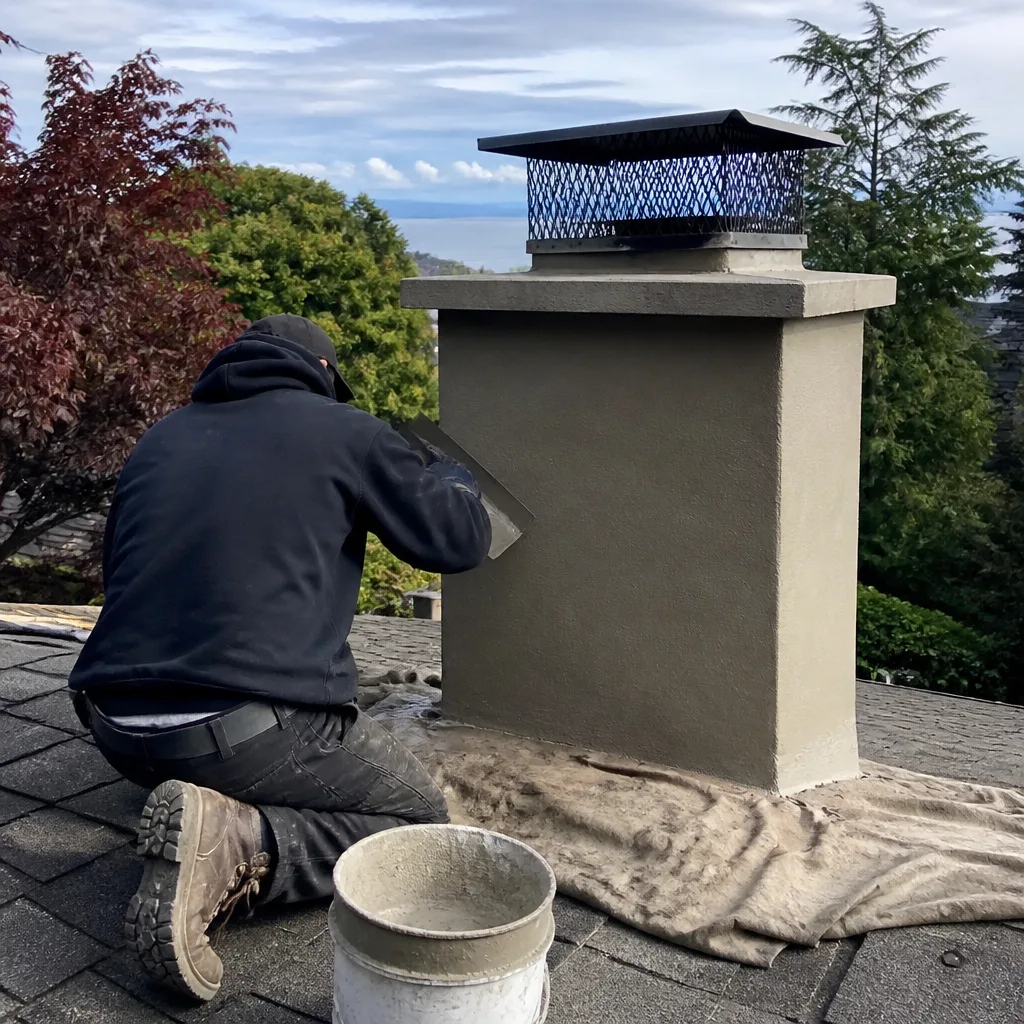 After
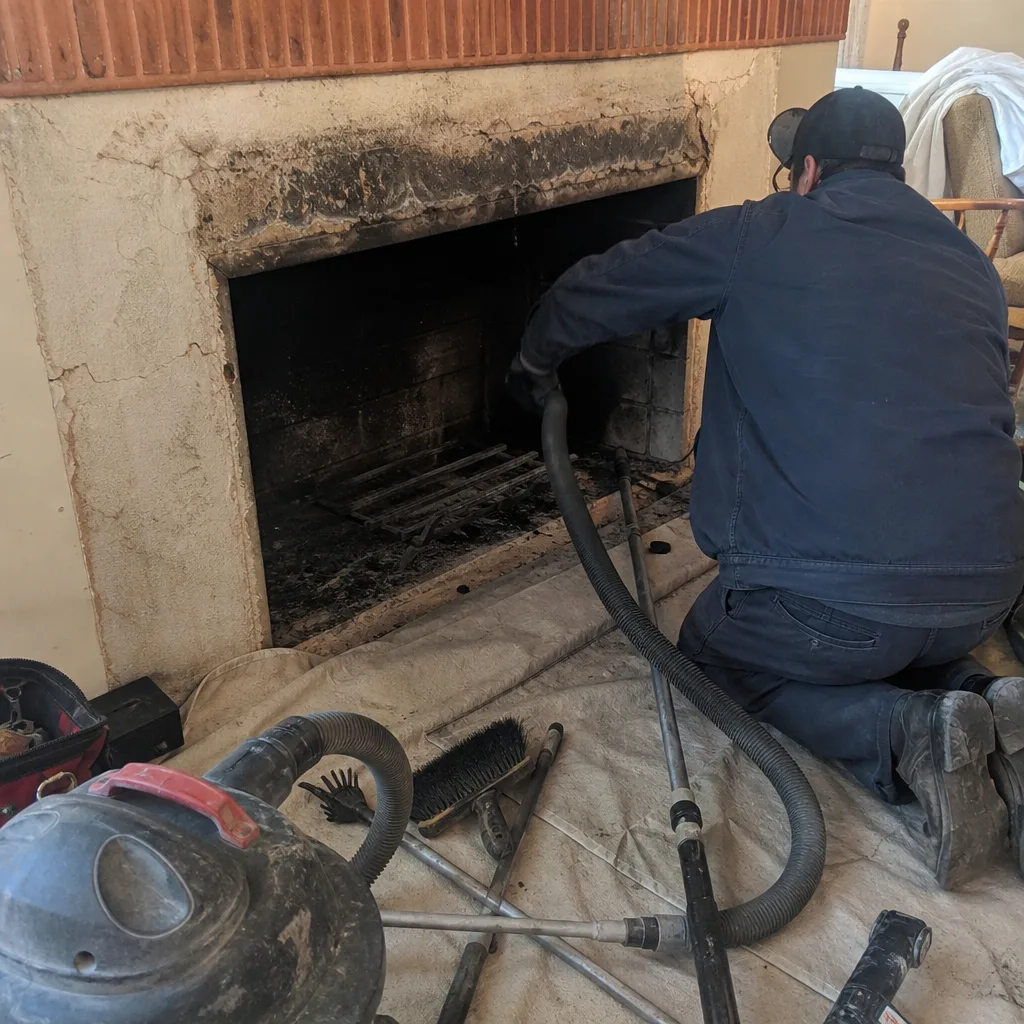 Before
 After
 Before
 After