
Last updated November 2, 2026
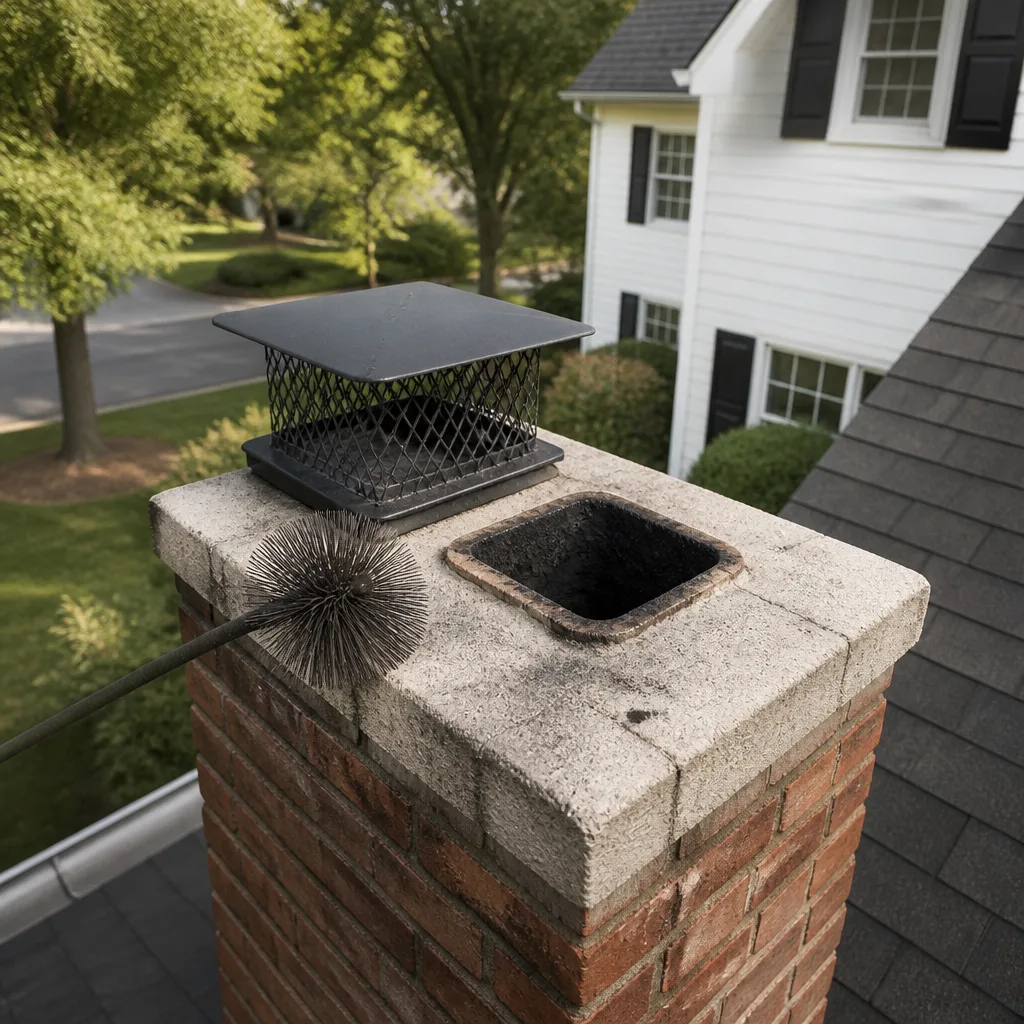 Sweep & inspection
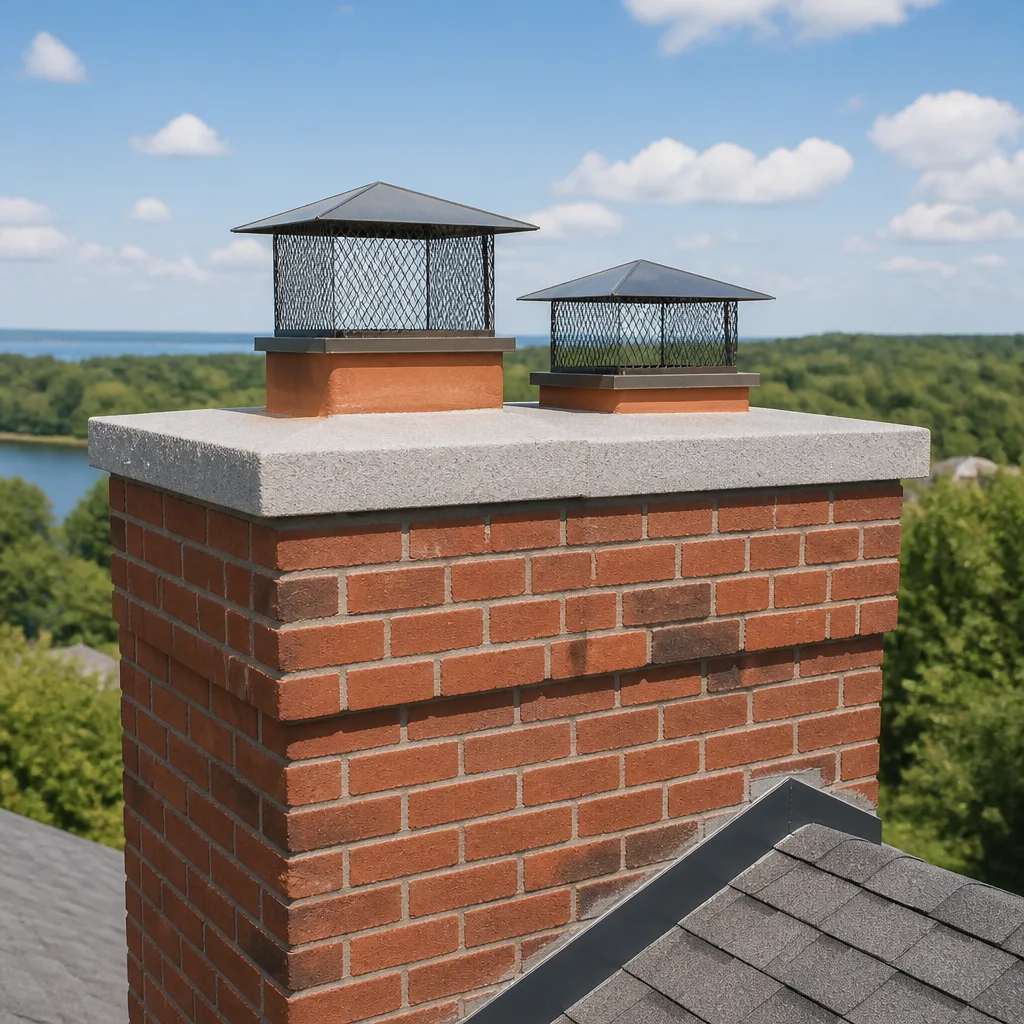 Caps & crowns
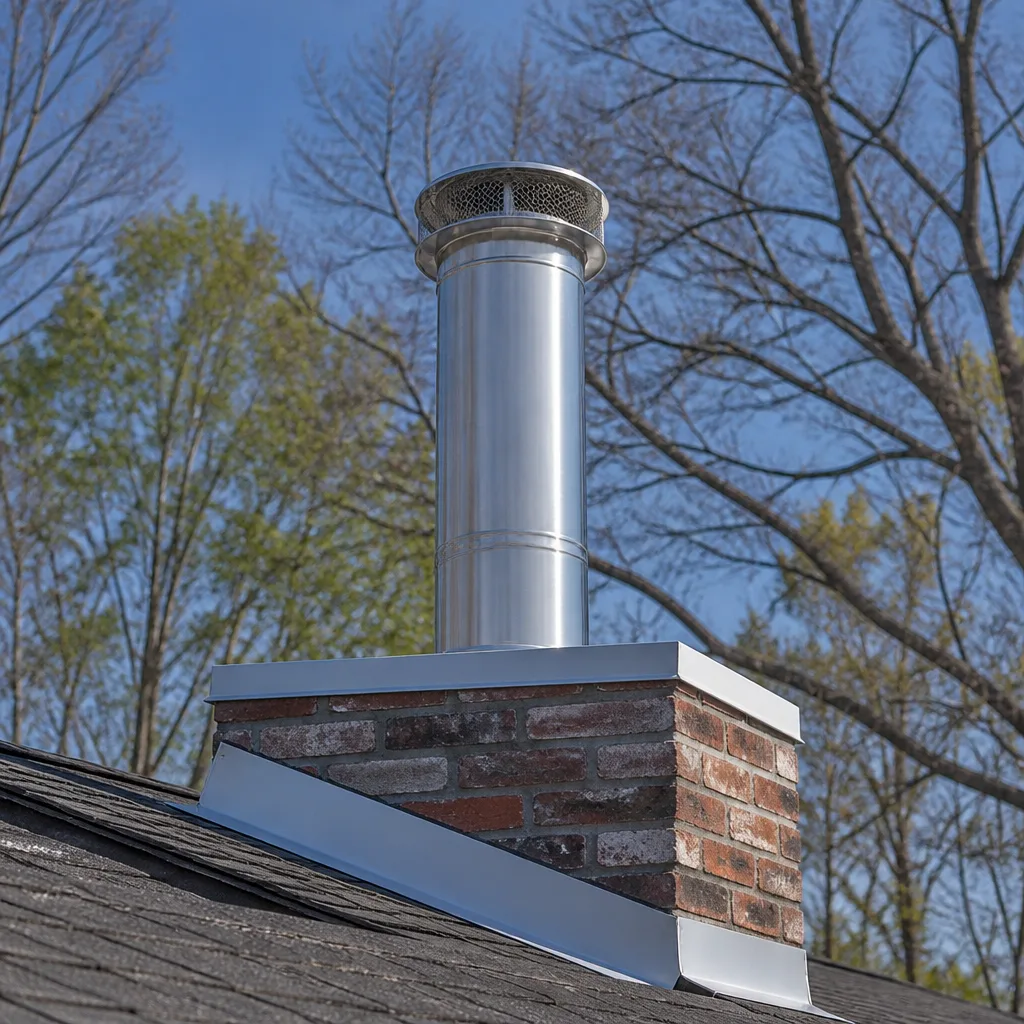 Flue relining
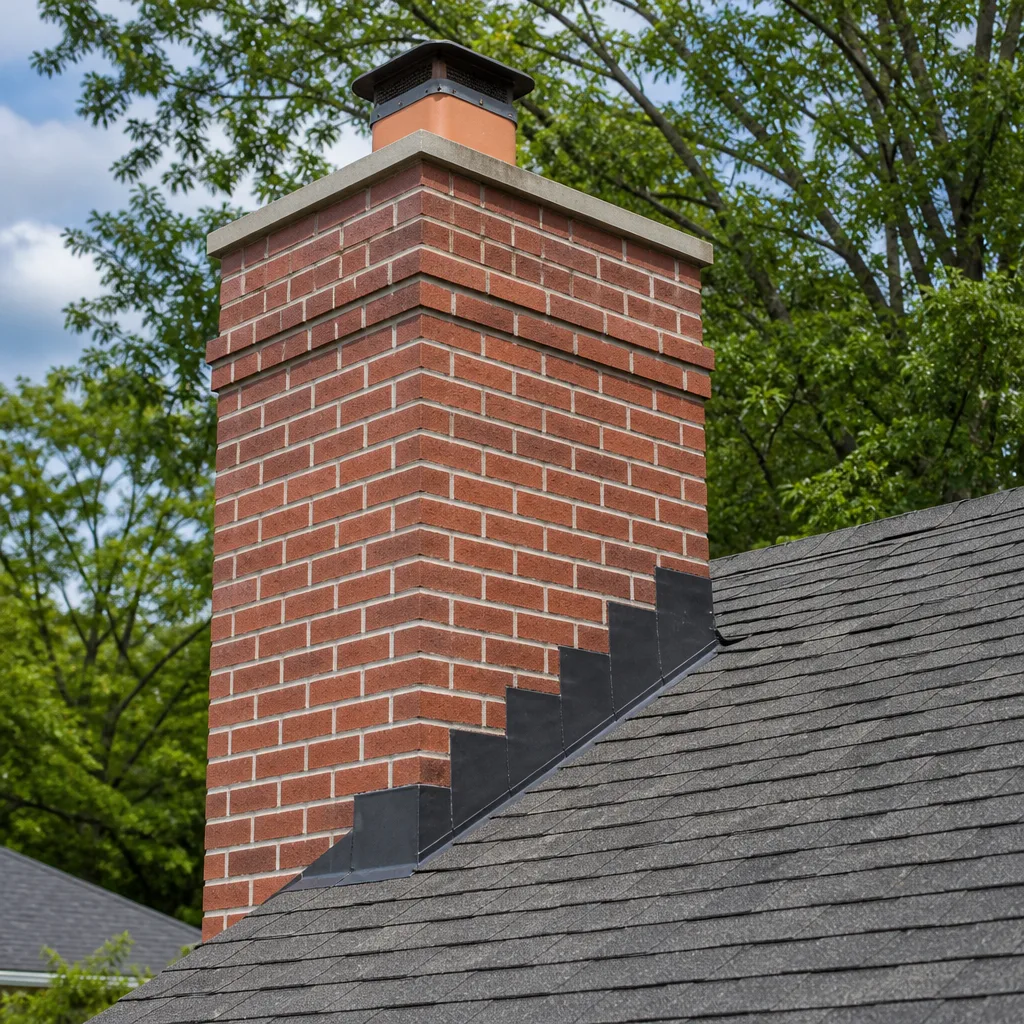 Masonry repair
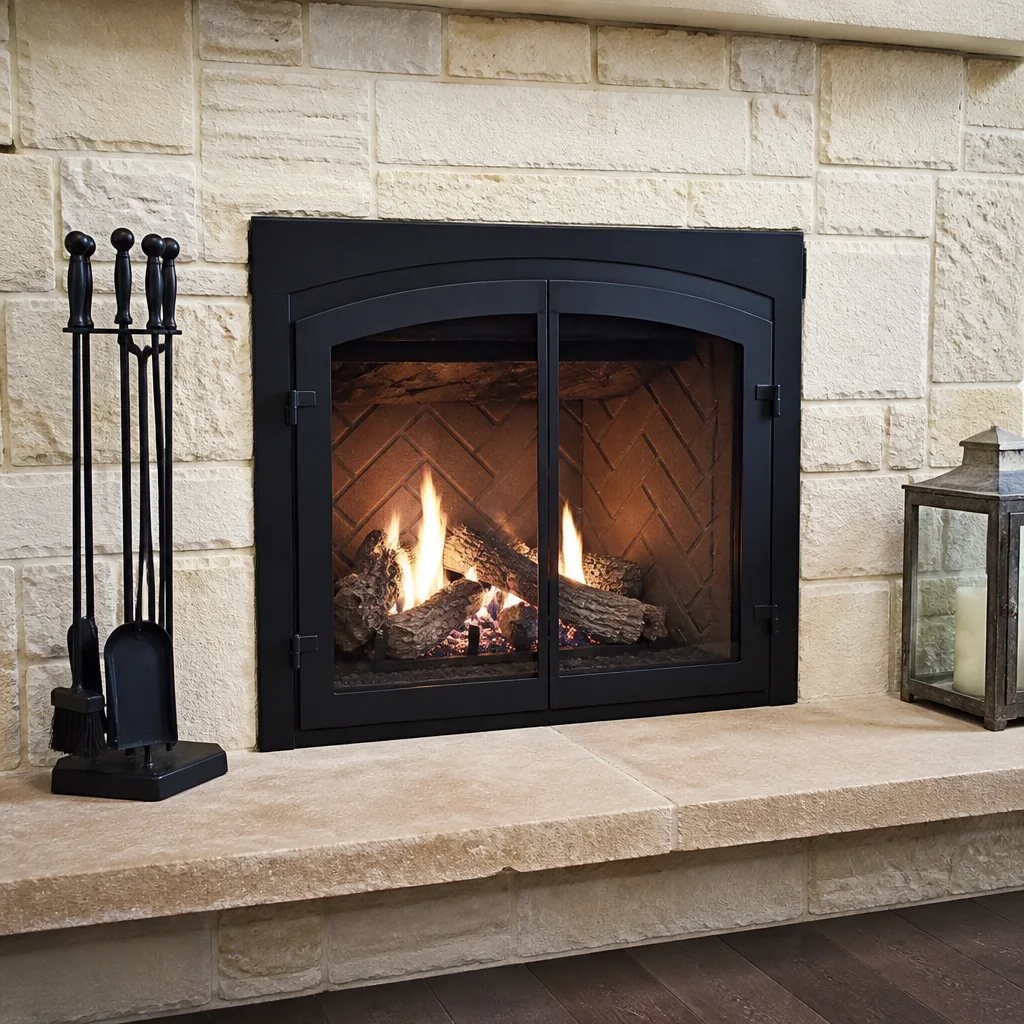 Gas fireplace service
Level 1 sweep and inspection to the NFPA 211 annual standard - flue, crown, cap, and flashing checked and photographed
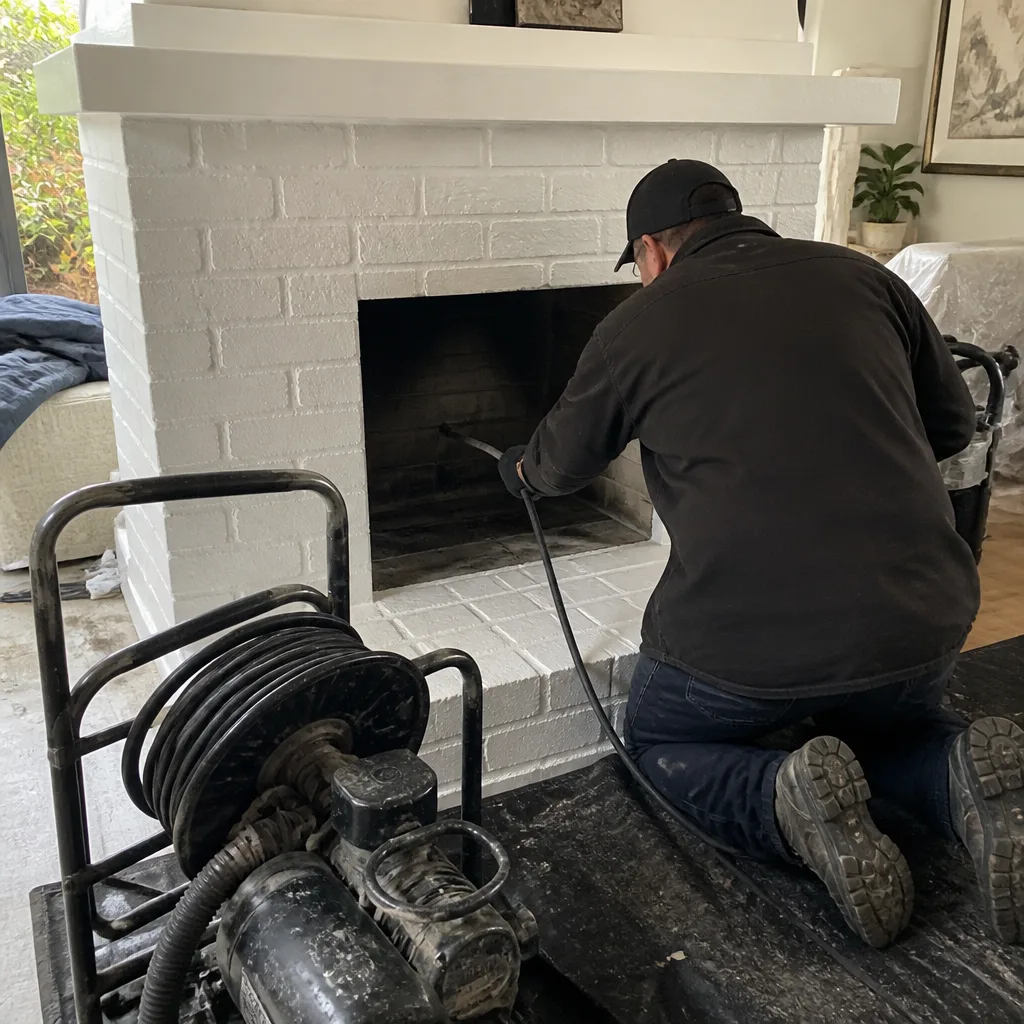
Chimney sweep logs do not sweep chimneys. They loosen some creosote - which then falls where a brush and vacuum still have to collect it.
Chimney Cleaning Warning Signs: A Sea Cliff Homeowner’s Reference Guide
Here’s a counterintuitive fact we’ve learned from years of working on Sea Cliff chimneys: the most serious problems rarely announce themselves with drama. A chimney fire is loud and obvious, but the conditions that make one possible build silently for months or years. What actually tips off an experienced sweep is the quiet stuff. A faint smell on a humid afternoon. A sizzling sound during the first rain of autumn. A stain that wasn’t there last spring. This guide walks through every warning sign a Sea Cliff homeowner should know, organized by what you can sense, what you can see, and what each sign actually means for the system, with troubleshooting steps for common chimney problems where relevant. You’ll learn what normal looks like, what’s a scheduling priority, and what means shut the fireplace down tonight.
Styles & brands we work with
- Sweep & inspection
- Caps & crowns
- Flue relining
- Masonry repair
- Gas fireplace service
Quick Answer
The most common chimney cleaning warning signs are a smoky or campfire-like smell when the fireplace is not in use, visible dark crust or shiny tar-like deposits on the firebox walls, a fire that struggles to draft properly or pushes smoke back into the room, and white staining or cracked masonry visible on the exterior chimney. Any of these means the system needs professional assessment. In Sea Cliff, a chimney sweep inspection typically costs $180 to $350 depending on system type and access.
Table of Contents
- What a Healthy Chimney Looks and Smells Like
- Warning Sign 1: Smell, Even When the Fire is Out
- Warning Sign 2: Sounds From the Chimney
- Warning Sign 3: Visible Deposits Inside the Firebox
- Warning Sign 4: Draft Problems and Smoke Rollback
- Warning Sign 5: Exterior Staining, Cracks, and Efflorescence
- Understanding Creosote Stages and Why Stage 3 is Different
- Which Signs Mean Shut It Down Now vs. Schedule an Inspection
- Common Mistakes to Avoid
- When to Call a Professional
- Frequently Asked Questions
- The Bottom Line
What a Healthy Chimney Looks and Smells Like
Before you can read warning signs, you need a baseline. A properly functioning chimney in a Sea Cliff home does three things: it moves combustion gases up and out, it stays dry inside, and it contains heat within the flue. When all three are working, here’s what you should notice: essentially nothing. No lingering smoke odor in the room. No staining on the ceiling or walls near the fireplace. No visible smoke from the chimney cap when burning seasoned wood. The fire draws steadily upward, and when you open the damper, you feel a slight cool draft moving up.
A healthy chimney also has a specific internal appearance. After regular use, the firebox will show some ash and light soot, which is normal. The damper should open and close smoothly. The flue tiles, when viewed with a camera from below, should look like clean terra cotta, not black, not shiny, not crusted. A thin layer of brown or dark gray powder is acceptable in small amounts. Anything thicker, stickier, or shiny is a departure from baseline.
Sea Cliff’s climate adds another variable. Fog and marine air mean chimneys here stay damp longer than they do inland. If your chimney smells musty or damp even without a fire, that’s moisture, not normal chimney function. In our experience, moisture in a Sea Cliff chimney is either a cap problem, a flashing problem, or a failed crown, and it rarely resolves on its own.
Warning Sign 1: Smell, Even When the Fire is Out
A smoky or campfire smell when the fireplace is not in use is one of the most commonly dismissed warning signs, and one of the most specific indicators of a draft or liner problem that needs professional assessment, not a candle. Here’s what each variant of that smell means.
Campfire or BBQ smoke smell, strongest on humid days
This is the classic signature of creosote accumulation. Creosote is hygroscopic, meaning it absorbs moisture from the air. When fog rolls into Sea Cliff, especially in the summer months, that creosote layer pulls water out of the air and releases odor back down the flue. You’re smelling months or years of condensed smoke residue. A cleaning removes the source.
Musty, damp, or “basement” smell
This is not creosote. This is water. A damp smell means water is entering the flue somewhere, usually through a cracked crown, failed flashing around the chimney chase, or a missing or damaged rain cap. The smell is often worse after rain. Left unaddressed, that moisture works into the mortar joints, and freezing and thawing cycles in Sea Cliff’s winter months accelerate the deterioration. This is a repair issue as much as a cleaning issue.
Sharp, acrid, or chemical smell with no fire
If the smell is sharp rather than smoky, it can indicate an animal has nested in the flue. Birds, squirrels, and raccoons find chimneys appealing, especially in Sea Cliff neighborhoods with mature trees near rooflines. A dead animal has a very distinct odor. A live nest produces a musty but organic smell, often with visible debris falling into the firebox. This requires removal and a proper cap installation after cleaning.
At Sunstone Chimney Sweep home, we’ve found that smell-related complaints in Sea Cliff break down roughly into creosote, moisture, and animal intrusion, and the fix for each is different. That’s why we always recommend a camera look before assuming a sweep solves it.
Warning Sign 2: Sounds From the Chimney
Your chimney should be quiet when not in use. When it’s not, here’s what you might be hearing and what it means.
Scratching, fluttering, or chirping
Animals. The sound is usually at its loudest in early morning or evening. Birds will flutter and chirp. Squirrels scratch. What starts as a nuisance becomes a problem when nesting material blocks the flue, or worse, when the animal dies in place. Nesting material is flammable and restricts draft. It’s also a vector for mites and odors. The solution is removal, cleaning, and a properly sized cap with mesh to prevent re-entry. Dryer vents in Sea Cliff homes see the same problem, which is why dryer vent cleaning in Sea Cliff is important even for homes without fireplaces.
Sizzling or dripping sounds during rain
If you hear water sizzling when a fire is burning, or dripping when it isn’t, water is entering the flue. This is not normal and not harmless. Water mixing with creosote creates acidic slurry that eats mortar. Water on hot flue tiles can crack them, which is how minor water intrusion becomes a liner failure. The source is typically the crown, cap, or flashing. In Sea Cliff’s wet winters, this accelerates quickly.
A dull thud or rattle on windy days
This usually means the rain cap or spark arrestor is loose, or a section of the exterior chimney is degrading. A loose cap vibrating in the wind can damage the flue tile below it. A rattle that sounds like it’s inside the wall may indicate a failed anchor strap on a chimney chase or a dislodged flue liner piece. Any of these is worth a look from the roof, which in Sea Cliff often means steep pitch and coastal wind, so this is a professional job.
Warning Sign 3: Visible Deposits Inside the Firebox
The inside of your firebox tells a specific story. Here’s how to read what you see.
Flaky, dark, soot-like coating
This is Stage 1 creosote, essentially condensed smoke in powder or flake form. It’s the easiest type to remove with standard sweeping. Presence of Stage 1 means your wood is producing creosote faster than your fire temperatures are burning it off. It’s not an emergency, but it’s an indicator that your burning habits or venting could be improved. A sweep at this stage is straightforward and inexpensive.
Crusty, hardened black buildup
This is Stage 2 creosote: hard, bubbled, and crusty, sometimes like burnt sugar. It forms when Stage 1 gets baked by repeated fires into a hardened layer. Stage 2 restricts the flue diameter, increases fire risk significantly, and requires more aggressive mechanical cleaning with rotary tools. A standard brush sweep often cannot remove Stage 2 completely.
Shiny, tar-like, or glazed surface
This is Stage 3 creosote, the most dangerous form. It looks like glossy black glass or tar and it’s highly concentrated fuel. A single spark can ignite it. Stage 3 is the most common cause of chimney fires, and it cannot be removed with a regular brush. It requires chemical treatment or rotary chain-cleaning systems. Stage 3 forms most often in chimneys that burn unseasoned wood, have poor air supply, or go long between cleanings. It’s the one deposit where we tell homeowners to stop using the fireplace until it’s addressed.
White or gray smooth coating on firebox walls
This is different from soot. It’s often mineral residue from rain water that has washed through the chimney and deposited minerals, or it’s the result of burning driftwood or treated construction scrap. Both are bad news. Burning anything other than seasoned cordwood chemically alters the residue inside a flue in unpredictable ways. If you see white crystalline deposits, stop burning whatever you’re burning and have the system inspected.
Warning Sign 4: Draft Problems and Smoke Rollback
Smoke coming back into the room is the single most obvious signal that something is wrong with the system, but the cause is often misdiagnosed by homeowners. A weak draft is rarely “just a windy day” in Sea Cliff. Here’s what’s actually happening.
Smoke rolls into the room only when the fire starts
This is cold air blockage. The flue is full of cold, dense air, and the warm air from kindling can’t push through it initially. It’s more common in tall chimneys and in Sea Cliff’s cool, fog-heavy mornings. The old fix, holding burning newspaper near the damper to warm the flue first, works, but if you’re doing this every single time, the flue may be oversized or under-insulated, which is a design issue worth discussing with a professional.
Smoke rolls into the room throughout the burn
This is a persistent negative pressure problem. In tightly-built Sea Cliff homes, especially those with newer windows and weatherstripping, the house can’t provide enough makeup air. The fire competes with bathroom fans, kitchen range hoods, and the dryer. Opening a window an inch often helps, but the long-term fix is makeup air or a direct air intake. This is a system issue, not a fireplace issue.
Smoke comes back whenever a specific appliance runs
If smoke rollback happens only when the dryer is running, or when the furnace kicks on, you have a depressurization problem. These appliances pull air out of the home’s envelope faster than the chimney can supply it. The consequence is backdrafting, which can pull carbon monoxide into the living space. This is why Chimney Repair in Sea Cliff work often includes evaluating how the chimney interacts with the rest of the home’s ventilation.
Draft was fine for years and recently got weak
This almost always means a partial blockage. Creosote accumulation, a bird nest, a collapsed flue tile, or a section of liner that has separated from the masonry all cause sudden draft changes. The chimney has not changed, so something inside it has. This is an inspection priority.
Warning Sign 5: Exterior Staining, Cracks, and Efflorescence
You can learn a lot about your chimney without ever climbing onto a roof. Here’s what to look for from the ground in Sea Cliff.
White, chalky powder on brick or stone
This is efflorescence, mineral salts drawn out of the masonry by moisture migrating through it. It means water is inside the chimney structure, not on it. The moisture source is always a defect: a cracked crown, failed mortar joints, missing flashing, or a porous brick face. Efflorescence is not cosmetic. It’s a moisture meter you can read from the sidewalk. In Sea Cliff, where salt air adds corrosion stress to masonry, efflorescence means the chimney’s outer layer has been compromised.
Dark staining, especially in vertical streaks
Dark brown or black streaking on the exterior of a chimney usually means creosote or soot is bleeding through the masonry from inside the flue. This happens when the flue liner has failed, allowing combustion gases to press against the outer masonry. You’re seeing smoke on the outside of the house. This is a liner issue, not a cleaning issue, and it means the system is leaking into the chimney structure. This is the point where a cleaning alone cannot fix the problem. A failed liner often requires relining, which is where a DuraFlex flexible liner system becomes the right tool, because it creates a new, continuous flue path without having to tear apart the existing masonry.
Cracks in the crown, especially radiating from the flue
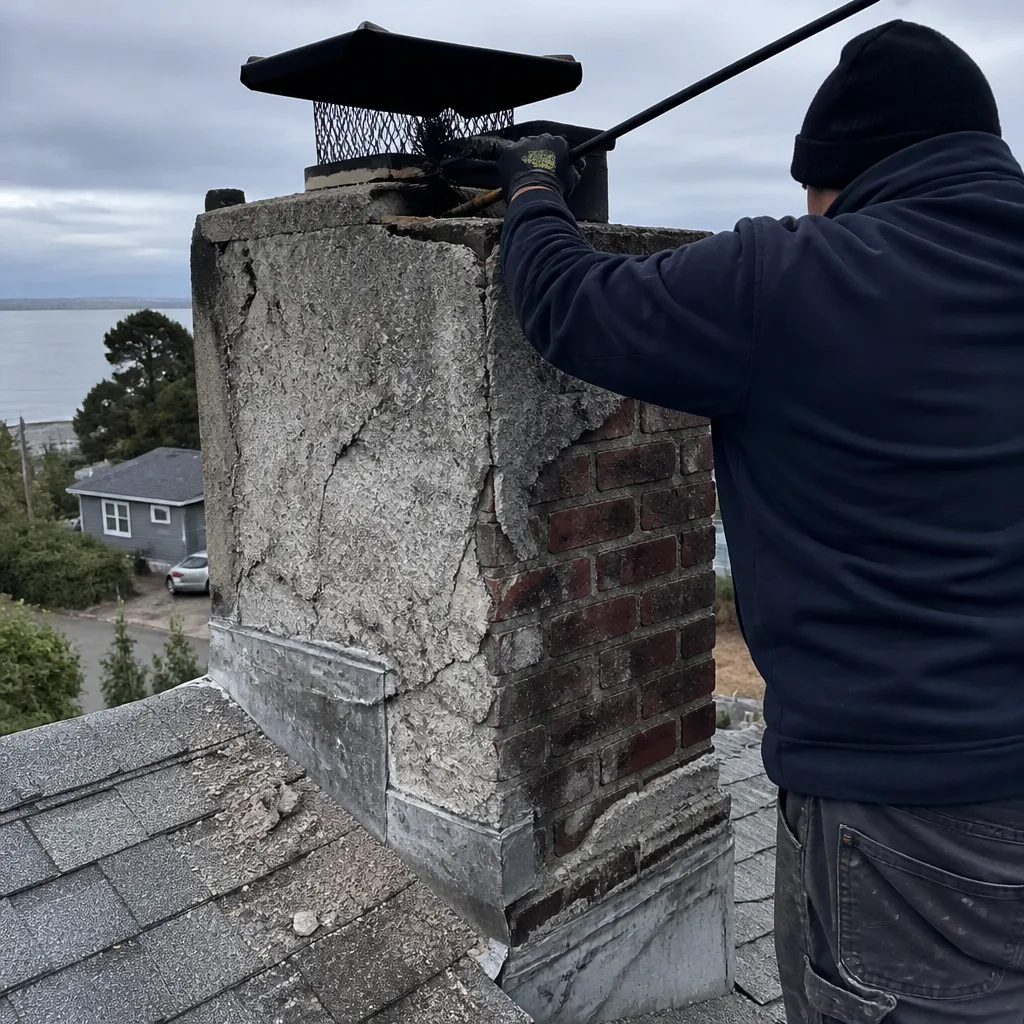
The crown is the concrete cap at the very top of the chimney. A well-made crown has a slight slope away from the flue and an expansion gap. When it cracks, water enters the chimney structure directly. Hairline cracks widen each winter with freeze and thaw. In Sea Cliff’s coastal climate, the cycle is faster than inland because of more moisture cycles through the year. A cracked crown is a repair item, and depending on the extent of the damage, it can sometimes be addressed with a water-resistant sealant or a full crown rebuild.
Missing or rusted rain cap
The rain cap is the most underrated part of a chimney system. It keeps out water and animals. A rusted-through cap lets both in. In Sea Cliff, where ocean air accelerates rust, a galvanized cap can fail in five to seven years. Stainless steel lasts significantly longer. A missing cap should be replaced before the next rain, and the flue should be swept first because you don’t want to seal animals or moisture inside.
Understanding Creosote Stages and Why Stage 3 is Different
Creosote is the residue of smoke condensation. It forms when unburned wood particles, water vapor, and other combustion byproducts condense on the cooler walls of the flue. It’s present in every wood-burning system. The question is never whether creosote exists, but how much, what type, and how concentrated it is.
Stage 1: Flaky powder or fine soot
Stage 1 is the least concentrated form. It’s matte black or dark brown powder, similar to fireplace ash but stickier. It brushes off relatively easily. Stage 1 is common in chimneys used regularly with hot, seasoned wood fires. A standard sweep takes care of it. This is the stage to catch it at, because the next two stages are progressively harder to remove and progressively more dangerous.
Stage 2: Crunchy, bubbled crust
Stage 2 is more concentrated, typically forming as a hardened crust on flue walls. It has a texture like burnt sugar or granular coffee. It forms when Stage 1 is exposed to additional heating, driving off volatile compounds and leaving behind carbon-rich crust. Stage 2 reduces flue diameter and can flake off in pieces large enough to obstruct the smoke shelf. A standard brush often skims over it. Rotary cleaning tools and more aggressive mechanical agitation are needed.
Stage 3: Glazed, shiny, tar-like concentration
Stage 3 is concentrated fuel that has essentially become a solid form of liquid smoke. It looks like black glass, has a glossy sheen, and can form stalactite-like drips. It is the most dangerous creosote because it burns at extremely high temperatures, ignites easily, and sticks to the flue walls rather than falling away. Stage 3 cannot be removed with a simple brush sweep. Professional methods include chemical treatments that crystallize the glaze, followed by rotary chain removal. In some cases, especially with repeated severe Stage 3 deposits, the best option is to resurface the flue with HeatShield ceramic material, which restores a smooth, insulated surface to the flue interior. This is a repair-tier solution beyond basic sweeping.
Here’s what to remember:
- Stage 1 creosote is a maintenance issue. Sweep it and adjust burning practices.
- Stage 2 creosote is a safety issue. It requires professional removal and likely a conversation about the flue’s performance.
- Stage 3 creosote is a fire hazard and often a structural indicator. Stop using the fireplace and call for an assessment.
Which Signs Mean Shut It Down Now vs. Schedule an Inspection
Not every warning sign is an emergency. Confusing an urgent problem with a routine one, or vice versa, is common among homeowners in Sea Cliff, and both errors are costly. Here’s a clear way to sort them.
Shut the system down immediately if:
- You see smoke leaking from the exterior masonry or roof flashing. This means the flue liner has failed and combustion gases are exiting through the wrong path. It’s a fire risk and a carbon monoxide risk.
- You smell sharp, acrid chemical odors that don’t smell like wood smoke. This can indicate a smoldering creosote fire inside the flue or carbon monoxide backdrafting. The fireplace should not be used until the system is inspected.
- You see shiny, glazed deposits on the firebox walls or flue. Stage 3 creosote is ready fuel. Do not light another fire.
- Smoke rolls into the room every time you use the fireplace, regardless of outdoor conditions. This is a system failure. Continued use means continuing smoke exposure in your living space.
Schedule an inspection when convenient, but before the next burn season:
- Mild smoky smell on humid days. This indicates creosote presence but not an active hazard in most cases. A sweep is the fix.
- Flaky soot or Stage 1 creosote visible. This is routine and easy to clean. Delaying it means it becomes Stage 2, then Stage 3.
- Efflorescence or minor crown cracking. These are repair items that worsen over time but typically don’t require emergency response.
- Occasional smoke rollback on startup that resolves quickly. This is a draft design consideration. Worth addressing, not an emergency.
When we assess a Sea Cliff chimney, part of what we do is tell you which of these categories you’re in. The goal is not to oversell. It’s to be accurate about what needs action now and what can be monitored.
Common Mistakes to Avoid
These are the specific errors we see Sea Cliff homeowners make, every season.
- Assuming a smoke smell is “just the chimney doing its thing.” A properly functioning chimney doesn’t smell. If you notice an odor, something has changed inside the flue, and it won’t fix itself.
- Burning unseasoned or moisture-heavy wood. Wood that hasn’t dried properly creates more creosote, faster. Coastal Sea Cliff homes often store wood in damp garages or under fog-exposed tarps, which undoes months of seasoning. Burn wood with a moisture content under 20%, stored off the ground and covered on top only.
- Ignoring draft problems because “it only happens sometimes.” A draft that’s fine most days and terrible on others tells you the system is marginal. The bad days are the ones that matter. A marginal draft is a carbon monoxide risk on the days it fails.
- Treating all creosote as one substance. Stage 1 is maintenance. Stage 3 is emergency-level risk. If you’ve seen shiny tar-like deposits and scheduled a basic sweep, you may be disappointed when the sweep says a brush won’t cut it. Know what you’re looking at.
- Waiting until fall to address a problem you noticed in spring. Sea Cliff’s summer fog season is when many chimney odors and moisture problems are most visible. That’s the time to book, not just think about it. By October, every chimney professional is booked solid, and you’ll be waiting weeks while temps drop.
- Assuming a new home means a clean chimney. We’ve swept chimneys in Sea Cliff homes built within the last decade that had never been cleaned and already showed Stage 2 buildup. New construction doesn’t guarantee a clean flue. It guarantees you don’t know what’s in there yet.
When to Call a Professional
Call a professional when the smell persists after a fire is out, when you see shiny or crusted deposits, when smoke rolls back, when the exterior shows staining or cracking, or when you haven’t had the system evaluated in more than a year. Any one of these is a reason. Several together is a strong reason. The evaluation costs less than a chimney fire, a liner replacement, or a smoke-damaged living room. Chimney Sweep in Sea Cliff work is what we do most often, and we approach every visit the same way: assess the system, show you what we’re seeing, and recommend only what the system needs. Sunstone Chimney Sweep offers free estimates in Sea Cliff. Call (833) 593-0743.
Frequently Asked Questions
For a wood-burning fireplace used regularly during the winter, we recommend an annual sweep. The National Fire Protection Association standard is that chimneys be swept when 1/8 inch or more of soot accumulation is present, but for practical purposes, once per burn season is the right rhythm for most Sea Cliff homes. Gas fireplaces can go two to three years between cleanings, though an annual visual check of the venting is wise given coastal moisture exposure.
A standard chimney sweep in Sea Cliff typically runs $180 to $350 depending on system type, roof access difficulty, and the amount of creosote present. Chimneys that haven’t been cleaned in years, or that show Stage 2 or Stage 3 deposits, cost more because they require more aggressive methods. If repairs are needed, those are quoted separately after the system has been evaluated. Call (833) 593-0743 for an exact quote, estimates are free.
You can, but there are real costs. DIY chimney cleaning from the roof in Sea Cliff means working on steep pitches, often with ocean wind, around fragile flue tiles. The more important point is that cleaning without an assessment means you’re removing debris but not evaluating the liner, crown, cap, or flashing. A professional sweep includes that evaluation. You miss it, and you pay for it later. This is one area where the value of a trained eye, and the right tools, outweighs the savings of a weekend project.
Creosote accumulates in stages. A skipped year means Stage 1 becomes Stage 2. Two or three skipped years means Stage 2 can become Stage 3, which is a fire waiting on a spark. In Sea Cliff, the added variable is moisture. Fog and rain interact with creosote, producing acidic conditions that eat mortar. You end up with both a fire risk and a structural problem that would have been a $250 sweep. That’s the real cost of skipping.
Yes, less often. Gas fireplaces don’t produce creosote, but they do produce combustion byproducts, and the venting can accumulate dust, debris, and sometimes animal nests. More importantly in Sea Cliff, gas flues are vulnerable to moisture. Annual visual checks of the cap and exterior are smart. A full cleaning every two to three years is usually adequate.
Sometimes the liner is fine and the fix is minor. Sometimes the liner is genuinely failed and needs relining. The honest way to know is a camera inspection that lets you see the flue walls with your own eyes. We don’t recommend liner work without camera evidence we can show you. If a liner is cracked, separated, or missing sections, and the system is used regularly for wood burning, relining is the safe, correct fix. A DuraFlex flexible liner system or HeatShield ceramic resurfacing are the types of materials we use for these repairs, because they’re the same professional-grade lines used in full chimney restoration work. If someone tells you a liner replacement is needed without showing you why, get a second look.
The Bottom Line
Every chimney warning sign, from a faint smoky smell to a cracked crown, is really a message about one of three things: fuel accumulating where it shouldn’t be, water entering where it doesn’t belong, or draft behaving in a way that doesn’t serve the fire. Read them in that order and the system makes sense. A clean chimney with a dry flue and a proper cap is quiet, odorless, and safe. When any one of those three breaks down, the signals are specific and readable if you know your baseline. The job of a Sea Cliff homeowner is to listen for the signal and act on it before October. The rest is just a phone call.
Written by the team at Sunstone Chimney Sweep, serving Sea Cliff since 2011.
See the difference
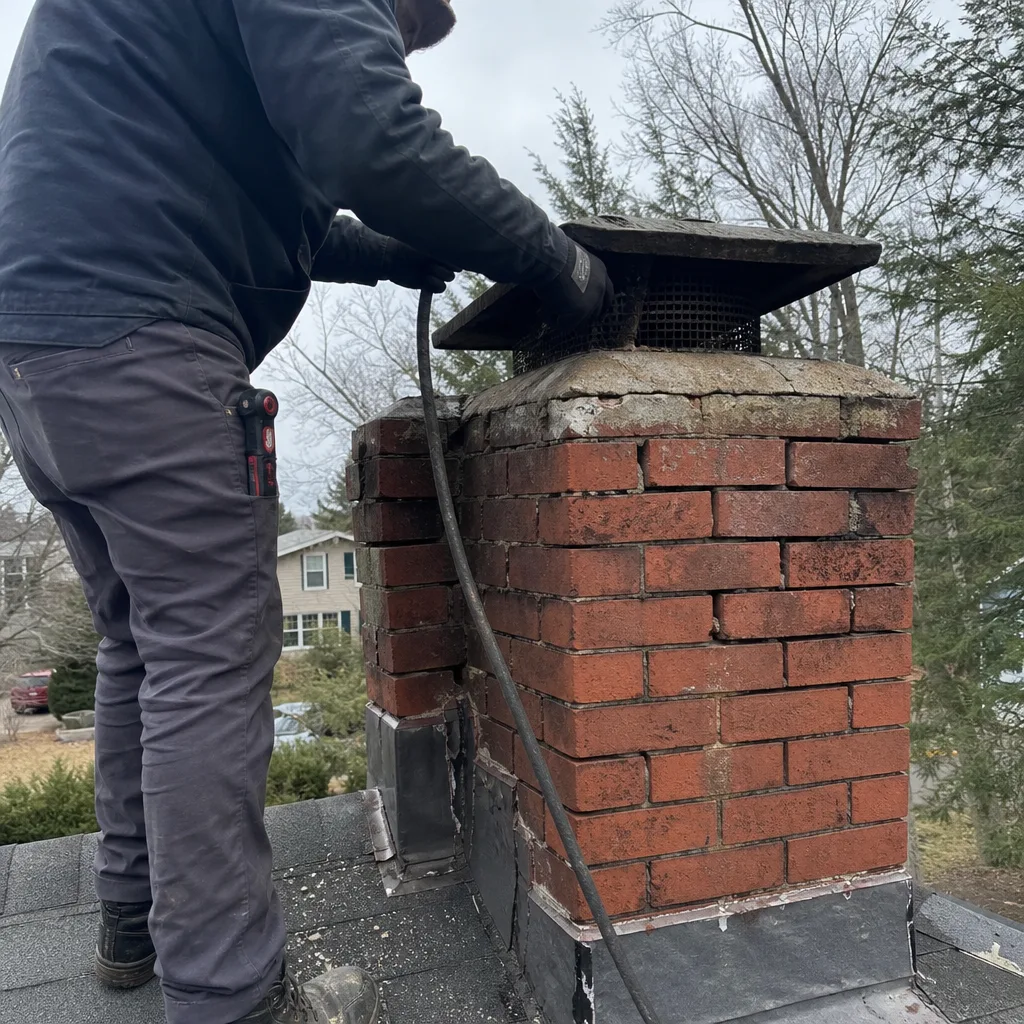 Before
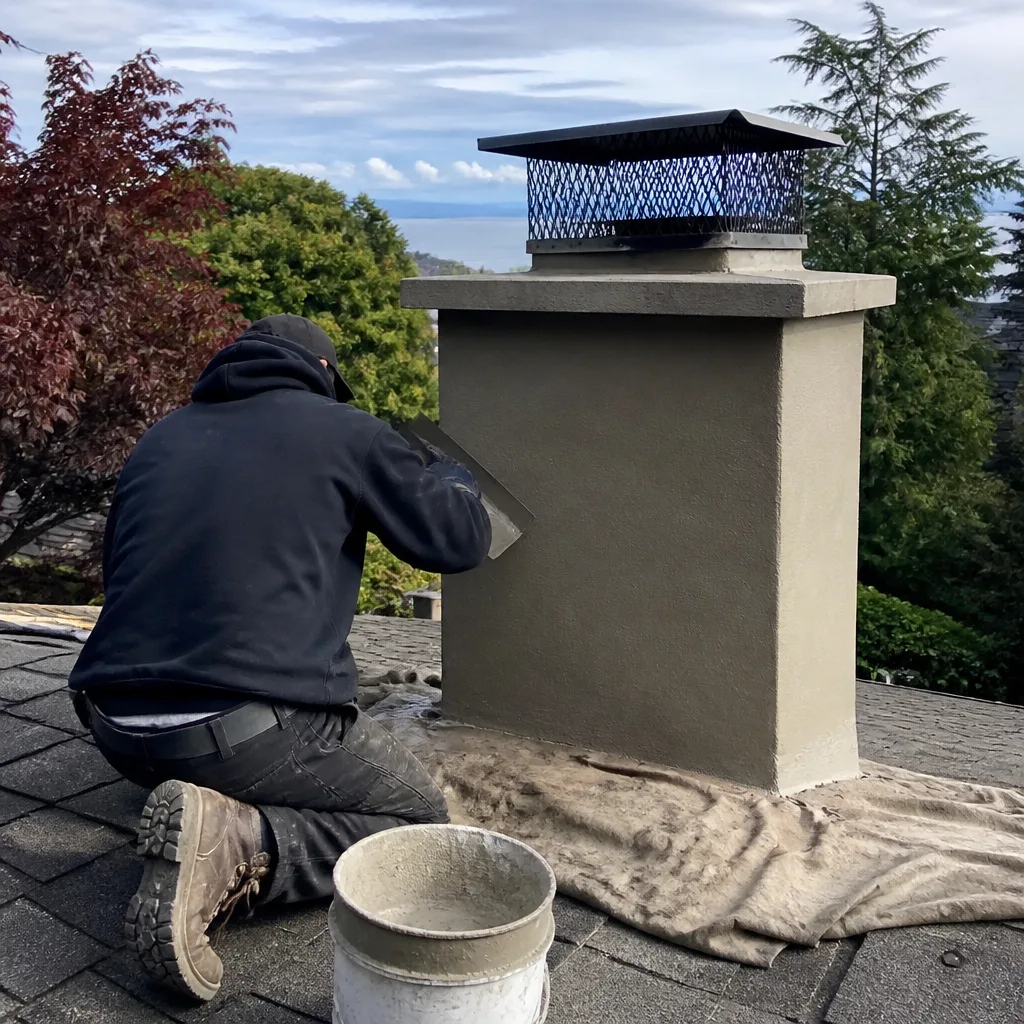 After
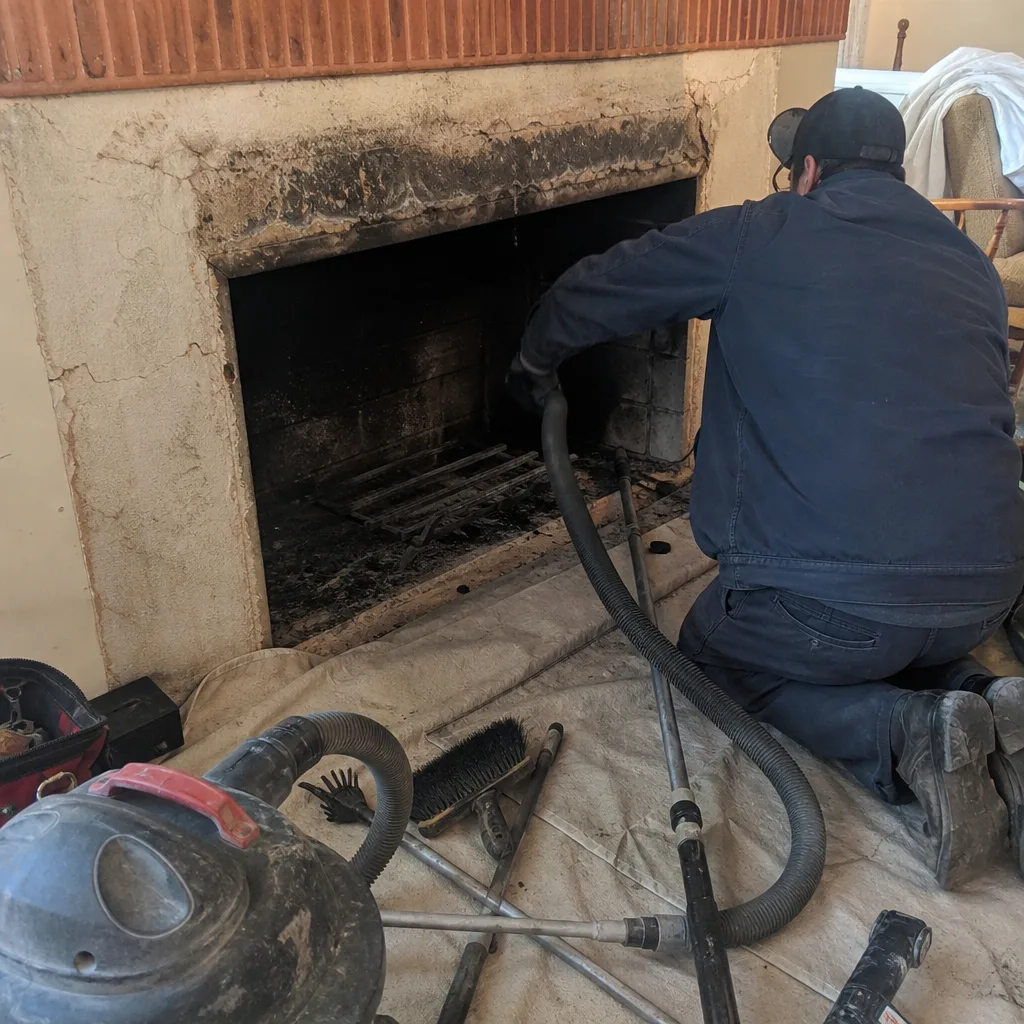 Before
 After
 Before
 After