
Last updated November 2, 2026
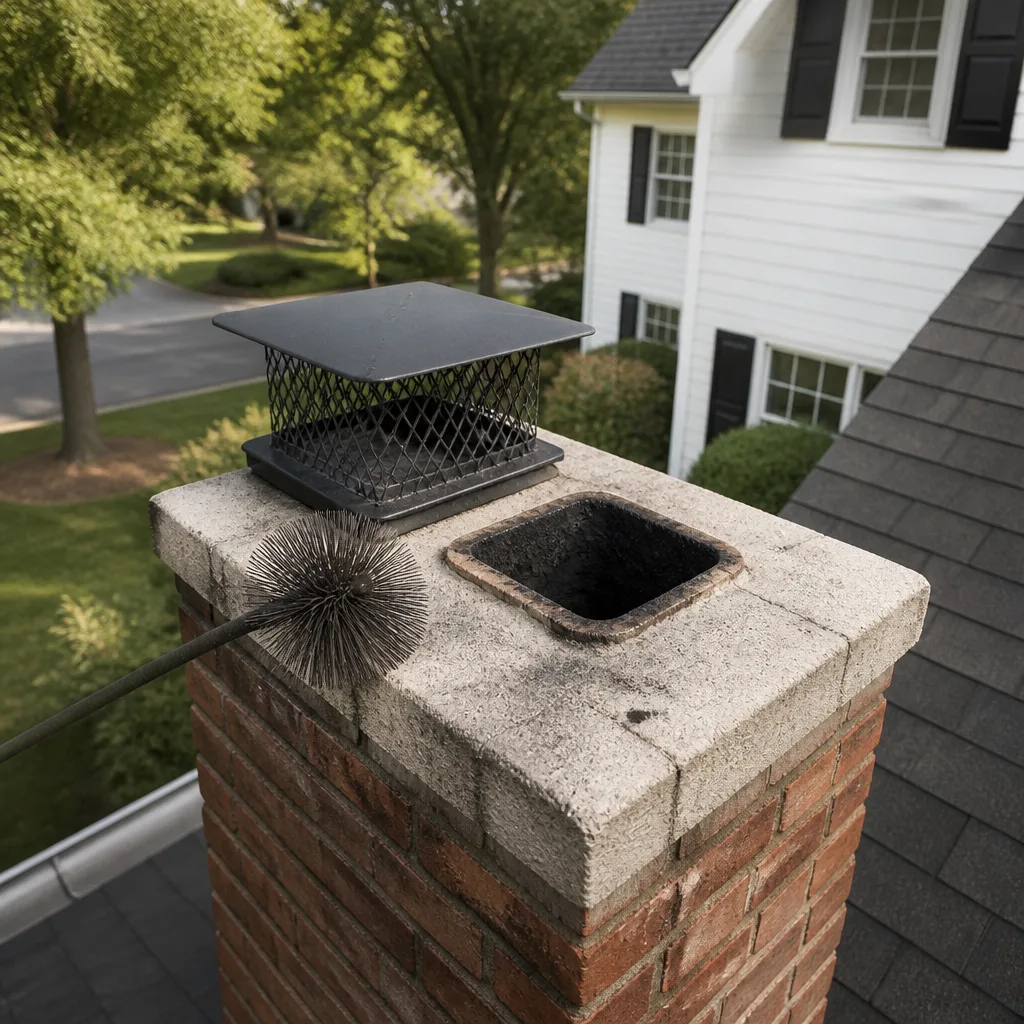 Sweep & inspection
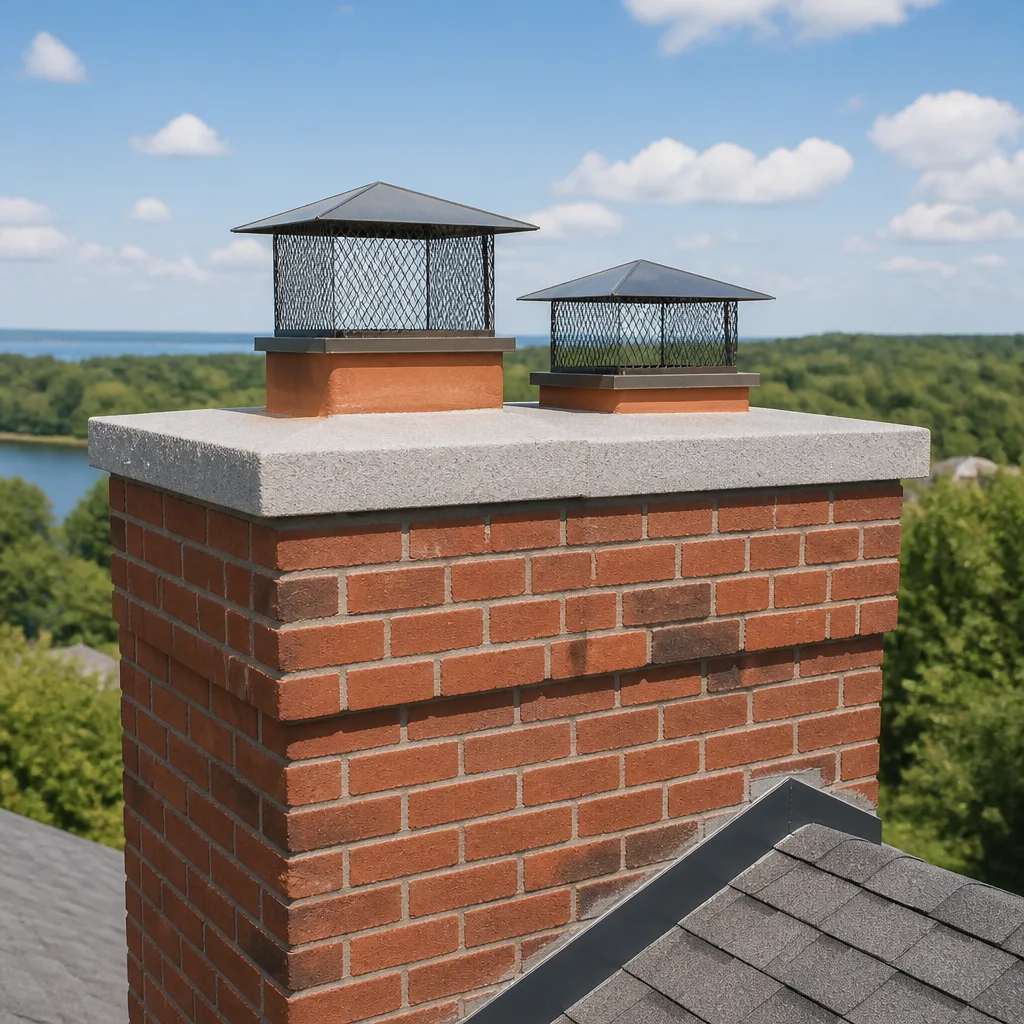 Caps & crowns
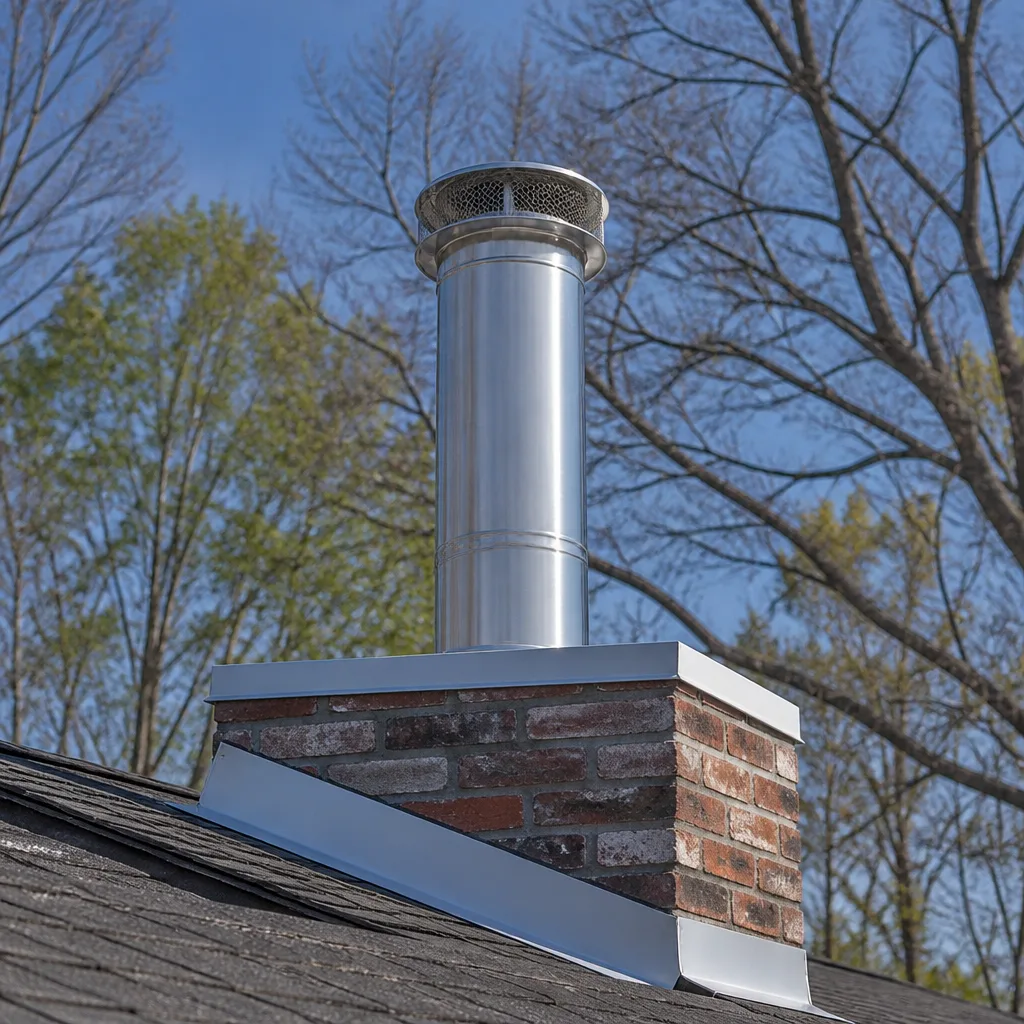 Flue relining
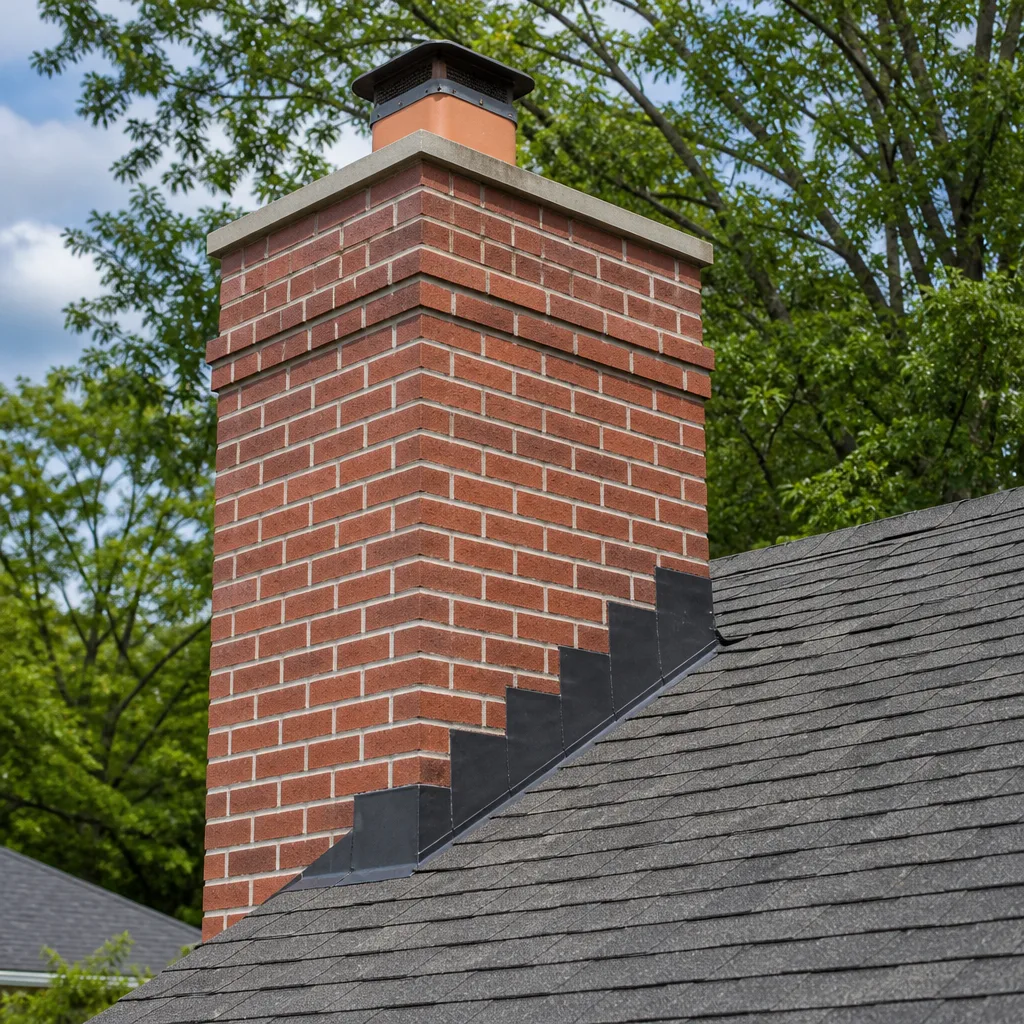 Masonry repair
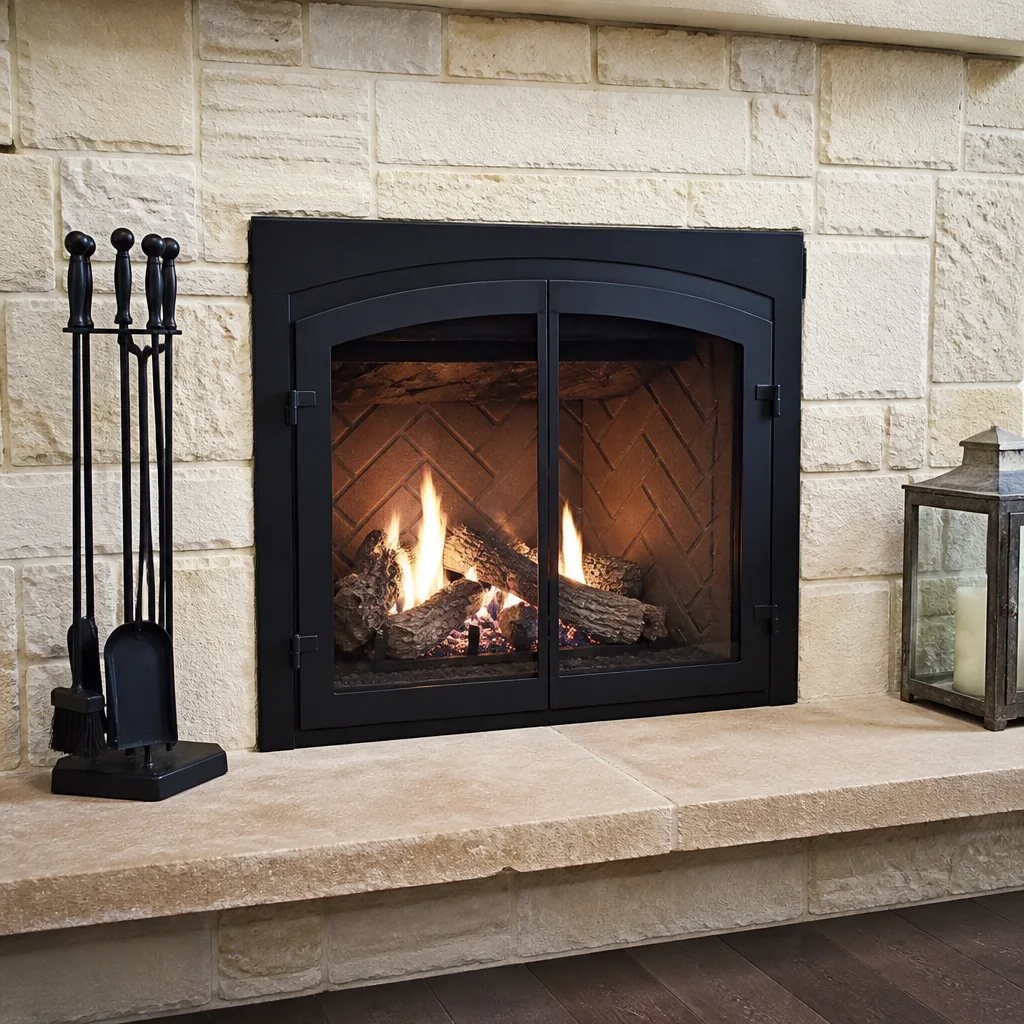 Gas fireplace service
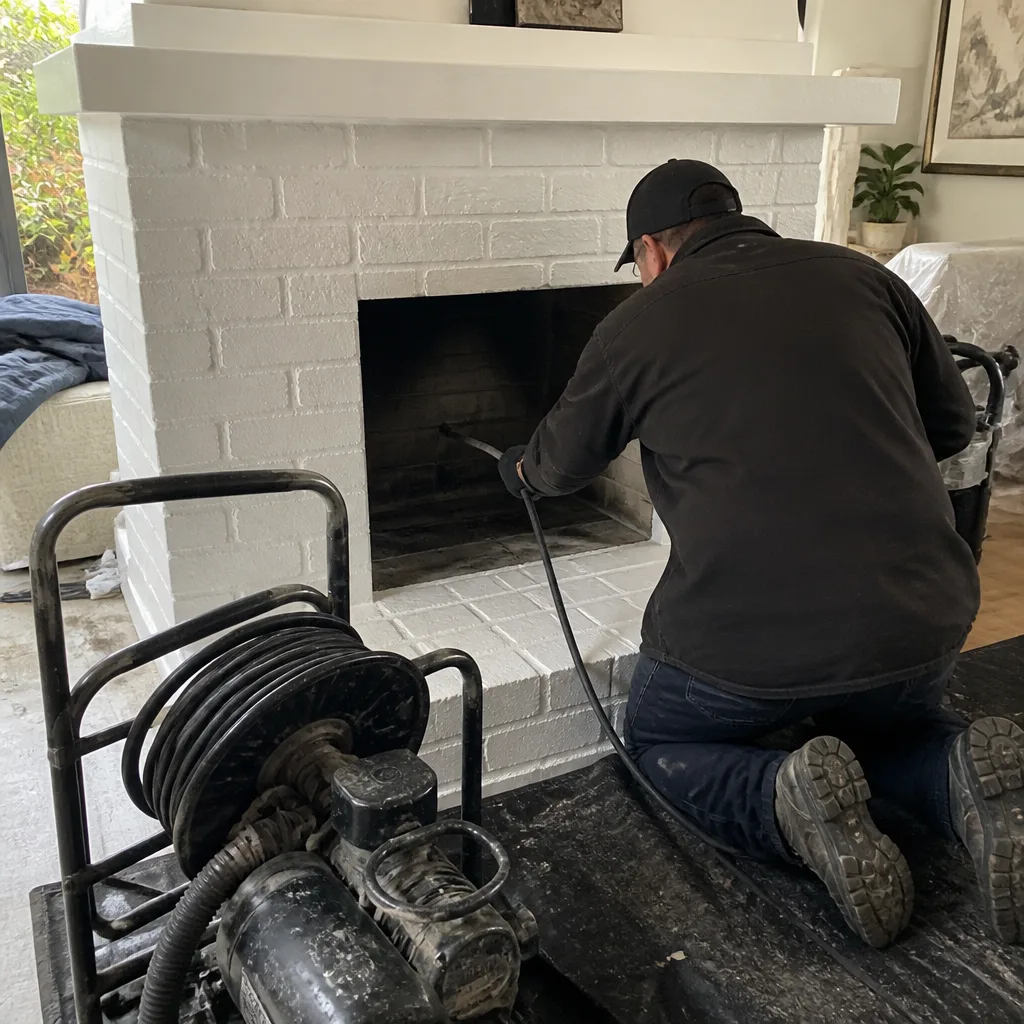
Level 1 sweep and inspection to the NFPA 211 annual standard - flue, crown, cap, and flashing checked and photographed
Chimney sweep logs do not sweep chimneys. They loosen some creosote - which then falls where a brush and vacuum still have to collect it.
Chimney Sweep Troubleshooting: Common Problems and How to Fix Them
Here’s something that surprises most homeowners in Sea Cliff: a smoky fireplace and a smelly fireplace look like the same problem from the living room couch, but one might be a $200 damper fix while the other is a negative air pressure issue that a new damper won’t touch. The visible symptom tells you almost nothing about the mechanical cause. What it does tell you is which clues to look for next. This guide walks through the most common chimney problems homeowners try to diagnose themselves, traces each symptom to its likely mechanical causes, and explains what a qualified chimney sweep will actually do once they’re standing on your roof or kneeling at your firebox. By the time you finish, you’ll know how to read the specific evidence your chimney leaves behind, and you’ll know exactly what information to have ready before you make the call.
Styles & brands we work with
- Sweep & inspection
- Caps & crowns
- Flue relining
- Masonry repair
- Gas fireplace service
Quick Answer
Most chimney problems fall into four symptom categories: smoke spillage into the room, persistent odor, downdrafts, and slow-starting or weak-burning fires. Each symptom has two to four common mechanical causes, and treating the wrong one wastes money while leaving the real hazard in place. The fix starts with accurate symptom description, moves to a professional inspection that identifies the actual root cause, and ends with the right repair material specified for your specific system, not the cheapest option available.
Table of Contents
- Symptom-to-Cause Matrix: Reading the Clues Your Chimney Leaves
- Smoke Spillage: Why Your Fireplace Smokes Into the Room
- Odor Diagnosis: Creosote vs. Moisture Smell
- Downdraft Problems: When the Chimney Works Backward
- Slow-Starting Fires: Draft, Fuel, and Airflow Issues
- The Draft Test: A Safe Diagnostic You Can Do Today
- Why “Cleaning Fixed It Last Time” Is Dangerous Reasoning
- What to Have Ready Before Calling a Sweep
- Common Mistakes to Avoid
- When to Call a Professional
- Frequently Asked Questions
- The Bottom Line
Symptom-to-Cause Matrix: Reading the Clues Your Chimney Leaves
Every chimney problem announces itself through a specific set of observable symptoms. The key is knowing which symptom points to which mechanical cause. Here’s the matrix we use when homeowners call with a problem description from Sea Cliff; for a deeper dive, see our complete chimney sweep guide for Sea Cliff homeowners:
Smoke spillage into the room typically traces to one of three causes: a closed or partially closed damper, a flue obstruction (creosote buildup, animal nesting, or fallen masonry), or negative air pressure inside the house caused by exhaust fans, a tight building envelope, or competing appliances. In Sea Cliff’s older homes, we regularly see negative pressure issues where kitchen range hoods or bathroom exhaust fans pull air down the chimney during operation.
Persistent odor when the fireplace is not in use points to either creosote deposits inside the flue (sharp, asphalt-like smell) or moisture intrusion (musty, organic smell). These two odor profiles require completely different repair pathways, which is why identifying the smell accurately matters so much. A creosote odor means cleaning, possibly chemical treatment. A moisture odor means structural repair, possibly a new cap, crown repair, or flashing work.
Downdraft, where smoke or cold air flows into the room even with the damper open, usually indicates one of three conditions: the chimney is shorter than surrounding rooflines or trees are creating turbulence, the flue is oversized for the appliance it serves, or the house interior is depressurized. Each requires a different intervention, from chimney extension to flue resizing to make-up air installation.
Slow-starting fires that struggle to catch or burn weakly typically involve insufficient combustion air, wet or unseasoned firewood, or a flue that hasn’t warmed enough to establish draft. In Sea Cliff’s coastal climate, we also see humidity-related wood moisture issues that inland homeowners rarely encounter.
Smoke Spillage: Why Your Fireplace Smokes Into the Room
Smoke entering the living space is the most alarming chimney symptom a homeowner faces, and for good reason. Beyond the immediate discomfort, smoke spillage means combustion gases are not being properly vented, which creates both a fire-safety concern and a carbon monoxide exposure risk. The first step is systematic diagnosis.
The most common mechanical cause is a damper that isn’t fully open. This sounds obvious, but damper mechanisms corrode, warp, and seize over time, especially in Sea Cliff’s salt air environment. A damper that looks open from the handle position may be partially closed inside the throat. We’ve found dampers rusted half-shut in homes where the owners swore they’d opened it fully.
The second most common cause is flue obstruction. Creosote accumulation narrows the flue passage. Bird nests, squirrel nests, and raccoon debris do the same, often more suddenly. In Sea Cliff, we remove a surprising number of nests from chimneys that lack proper caps or have damaged cap screens. A blocked flue creates immediate smoke backup, and the fix starts with professional cleaning to restore the full flue diameter.
The third cause, negative house pressure, is less intuitive but increasingly common as Sea Cliff homes get weather-sealed for energy efficiency. Modern houses are built tight, and when exhaust appliances run (clothes dryers, kitchen hoods, bathroom fans), they can pull air down the chimney. The fireplace becomes the path of least resistance for makeup air, dragging smoke back into the room. The test is simple: does the fireplace smoke worse when the kitchen exhaust is running? If so, you’re looking at a pressure problem, not a chimney problem. The solution may involve opening a window slightly during fires, adding a make-up air vent, or addressing exhaust fan capacity.
At Sunstone Chimney Sweep home, we approach smoke complaints as a full-system diagnosis, checking the damper, the flue interior, the cap, and the house pressure dynamics before recommending any repair. A smoke problem is never assumed to be one thing until the evidence confirms it.
Odor Diagnosis: Creosote vs. Moisture Smell
Chimney odors are diagnostic messages. The smell itself tells you which system is failing, and getting this right determines whether you spend money on cleaning or on structural repair. Learning to distinguish the two main odor profiles saves homeowners from paying for the wrong fix.
Creosote odor is sharp and acrid, often described as asphalt-like, tar-like, or similar to burnt barbecue residue. It intensifies on humid days and during summer when the chimney heats unevenly. Creosote is a natural byproduct of wood combustion that condenses on the flue walls as smoke cools. Over time it accumulates, and when the relative humidity rises, the deposits release odor into the house. The fix is mechanical cleaning, sometimes followed by a chemical treatment that breaks down hardened glaze creosote. This is a maintenance issue, not a structural one.
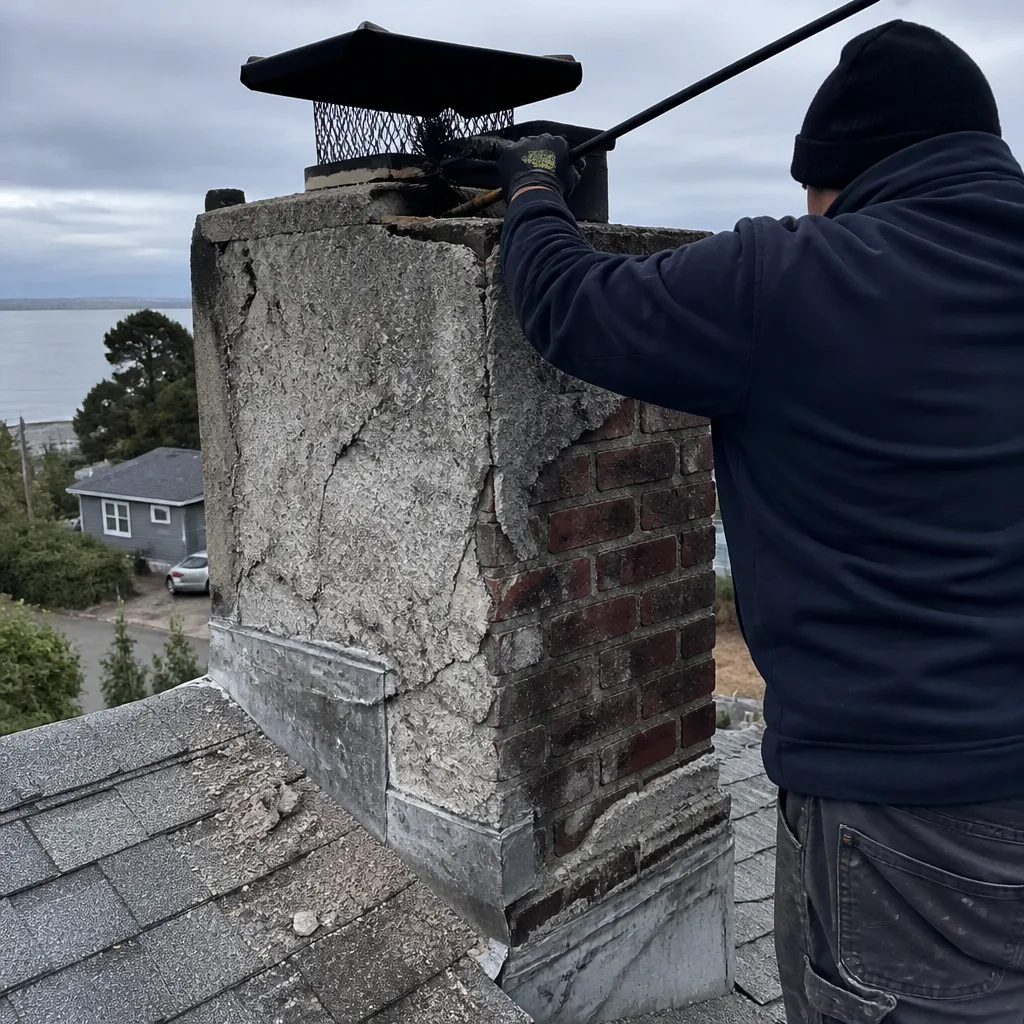
Moisture odor smells musty, earthy, or organic, like a damp basement or wet leaves. This smell means water is entering the chimney system somewhere: through a failed cap, cracked crown, deteriorated mortar joints, or damaged flashing. Moisture smell almost never resolves with cleaning because the water entry point remains. The fix is structural: replacing the cap, repairing the crown with proper material, repointing masonry, or replacing failed flashing. In Sea Cliff’s coastal environment, we see more moisture-related chimney odors than inland areas because of the constant marine air and fog cycles that accelerate masonry deterioration.
A third, less common odor profile is animal-related: a dead rodent or bird smells decomp-like and distinct, often accompanied by flies near the firebox. This requires removal, and then the chimney needs a proper cap and screen to prevent recurrence.
When we diagnose odor complaints, the first question is always the same: what does it smell like, exactly? Sharp and chemical, or musty and damp? That single distinction redirects the entire diagnostic path. If you’re unsure, we walk through the characteristics together because the wrong pathway costs time and money you shouldn’t have to spend.
Downdraft Problems: When the Chimney Works Backward
A downdraft happens when the chimney moves air in the wrong direction, pushing cold air, and sometimes smoke, back into the living space. This typically occurs when the fire is not lit or is struggling to establish, and homeowners notice it as cold drafts near the fireplace or smoke puffing into the room during startup.
The first mechanical cause is chimney height relative to surrounding structures. If the chimney terminates below the highest point of the roof, or if nearby trees create turbulence, wind can press down into the flue. The fix may involve extending the chimney height to meet code minimums (typically 3 feet above the roof penetration and 2 feet above anything within 10 feet), or trimming back interfering tree branches.
The second cause is flue sizing. A flue that’s oversized for the fireplace or stove it serves never gets warm enough to establish proper draft. Cold air is heavier than warm air, and in an oversized flue, the column of cold air simply falls into the room. The solution is either an insulated liner that reduces the effective flue size while improving heat retention, or a different drafting strategy. We specify the right liner for the system, using professional materials like Chimney Repair in Sea Cliff solutions with DuraFlex flexible liners where resizing or relining is needed.
The third cause returns to house pressure. In a tight, modern Sea Cliff home, exhaust appliances and even stack effect (warm air rising through the house and escaping through upper-level leaks) can depressurize the lower floor enough to reverse chimney flow. The test: open a window near the fireplace. If the downdraft stops, the problem is house pressure, not the chimney itself.
Downdraft diagnosis requires understanding the chimney as part of a larger air system. The chimney isn’t just a hole in the roof. It’s a pressure-driven exhaust system that depends on temperature differential, height, flue volume, and the air pressure inside the house. Fixing a downdraft means identifying which of those factors is out of balance.
Slow-Starting Fires: Draft, Fuel, and Airflow Issues
When a fire struggles to catch, burns weakly, or produces more smolder than flame, the cause is usually one of three factors: draft, fuel, or combustion air. Each leaves its own evidence.
Draft problems show up most clearly during startup. If the chimney is cold, the air inside it is heavy and resists moving upward. The fix is to prime the flue first: hold a lit rolled newspaper or fire starter near the open damper for 30 to 60 seconds to warm the air column before lighting the main fire. If this simple step transforms the fire’s behavior, your chimney is functioning correctly; the issue was cold startup mechanics.
Fuel problems are the most common draft-adjacent issue we see in Sea Cliff. Wood that hasn’t been properly seasoned (dried for 6 to 12 months after splitting) contains too much moisture. Wet wood burns cool, produces more smoke than heat, and deposits creosote faster than dry wood. Properly seasoned firewood shows visible cracks at the ends, sounds hollow when knocked together, and burns with bright, active flames. Sea Cliff’s coastal humidity means even properly stored wood can absorb moisture from the air, so keeping wood covered on top but open on the sides for airflow matters.
Combustion air issues occur when the fireplace can’t access enough oxygen. A closed glass door with a fully shut air control chokes the fire. A tightly sealed house limits available air. Using the wrong firewood species (softwoods like pine burn fast and cool) also contributes. The fix is ensuring the air control is open, adding a source of makeup air if the house is tight, and burning dense hardwoods like oak or madrone that produce sustained heat.
One more factor specific to Sea Cliff: many homes here have fireplaces that were originally built for aesthetic wood burning but get used primarily as supplemental heat during coastal cool spells. These systems are often masonry with uninsulated exterior walls, meaning the flue runs cold and takes longer to establish draft. Understanding that your chimney works against the marine layer and coastal chill from the first spark helps set realistic expectations for startup behavior.
The Draft Test: A Safe Diagnostic You Can Do Today
Before calling a professional, there’s a simple, safe diagnostic you can perform at home to determine whether your chimney has airflow or blockage issues. This test requires no tools beyond a match or an incense stick, and it takes less than five minutes.
- Check the damper is fully open. Use a flashlight to confirm the damper throat is actually open, not just that the handle is in the open position. Look for rust, warping, or debris blocking the opening.
- Open a window or door in the same room. This equalizes house pressure and gives the test a fair baseline. If the room is depressurized, you’ll get a false negative.
- Light a match or incense stick and hold it near the open damper. Hold it about 12 inches below the damper throat and watch the smoke.
- Observe the direction of the smoke. If the smoke flows steadily up into the flue, your chimney has natural draft. If the smoke wavers, stays flat, or drifts into the room, you have a draft failure.
- Repeat the test with all exhaust fans running. Turn on the kitchen hood, bathroom fans, and the clothes dryer if possible. If the draft reverses with exhaust running, you’ve identified a house pressure problem.
This test doesn’t replace a professional inspection. It can’t identify partial blockages, evaluate creosote thickness, or assess structural safety. But it tells you, with reasonable confidence, whether the air path through your chimney is open and whether the system responds normally when the house is closed up. That information alone can save a diagnostic visit or help you describe the problem precisely when you call.
If the draft test fails, the next step is professional evaluation. The fix might be as simple as a cleaning or as complex as a liner installation, but you’ll know the scope is real, not a guess.
Why “Cleaning Fixed It Last Time” Is Dangerous Reasoning
When a symptom returns after a previous cleaning resolved it temporarily, the temptation is to assume another cleaning will fix it again. That assumption is dangerous because recurring symptoms often indicate a system condition problem, not a maintenance frequency problem.
Here’s what recurring symptoms actually tell you. If smoke spillage returned within a year of the last cleaning, the flue may be accumulating creosote faster than normal. That accelerated buildup usually points to one of three underlying issues: burning unseasoned wood, operating the fireplace at consistently low temperatures (smoldering fires produce more creosote), or an improperly sized flue that cools smoke too quickly. Cleaning addresses the buildup but not the cause.
If odor returned after cleaning, something was missed. Creosote odor returning quickly means the deposits are in areas the previous cleaning didn’t reach, possibly because the technician used a brush that wasn’t sized correctly for the flue dimensions. Moisture odor returning means the water entry point was never addressed. The cleaning removed the symptom temporarily, but the structural issue remained.
If downdraft returned, the cleaning was never the real fix. Cleaning removes obstruction, but it doesn’t change chimney height, flue sizing, or house pressure dynamics. If a downdraft disappeared after cleaning and came back months later, the obstruction was masking a design or pressure issue.
Recurring problems are diagnostic gold. They tell you the system is fighting something: poor fuel, wrong sizing, water intrusion, or inadequate ventilation. Each recurrence should trigger deeper investigation, not another cleaning cycle. In our experience, homeowners who treat recurring symptoms as maintenance issues eventually face larger repairs that would have been simpler and cheaper if addressed at the first return.
For homeowners in the Sea Cliff area dealing with repeat chimney issues, Chimney Sweep in Sea Cliff means diagnosis first, cleaning second. If the problem returns, we look deeper at the system, not just the flue interior.
What to Have Ready Before Calling a Sweep
The quality of a chimney diagnosis depends heavily on the information the homeowner provides before the technician arrives. A precise problem description lets the sweep arrive with the right equipment, the right parts, and a narrowed list of likely causes. Here’s what to prepare:
- Describe the exact symptom in one or two sentences. “Smoke comes into the living room when I first light a fire” is far more useful than “the chimney doesn’t work right.”
- Note when the symptom occurs. During startup only? Throughout the fire? Only when the wind blows from a certain direction? Only when the kitchen fan is running?
- Identify any odor characteristics. Sharp and chemical, or musty and damp? This single distinction redirects the entire diagnostic path.
- Record what type of wood you burn and how long it’s been seasoned. Wet wood creates creosote problems that mimic structural issues.
- Know your fireplace type. Masonry or factory-built? Wood-burning or gas? Does the chimney serve a fireplace, a stove, or a furnace?
- Note when the chimney was last cleaned and who did the work. This establishes a baseline for how quickly problems developed.
- Mention any recent house changes. New windows? Added insulation? A new range hood? These affect house pressure dynamics.
With this information, a qualified sweep can arrive prepared for the likely diagnosis, bringing the right tools and components, whether that’s equipment for a cleaning, diagnostic cameras for inspection, or professional materials like HeatShield ceramic resurfacing for liner repair. For help selecting products, read our guide on choosing the right chimney cleaning brand. The goal is to make the first visit productive, not exploratory.
We also recommend homeowners check their chimney cap from the ground before calling. A missing or damaged cap is a visible clue that water and animals may be entering the system, and it’s information the technician can use immediately.
Common Mistakes to Avoid
- Treating all chimney problems as cleaning problems. Cleaning removes creosote but doesn’t fix dampers, caps, crowns, flashing, or house pressure issues. Misdiagnosing a structural problem as a maintenance issue wastes the cost of a cleaning and leaves the real problem untouched.
- Ignoring odor because it only happens on humid days. Humidity-driven odor is still odor. It means deposits or moisture are present, and both need to be addressed before they worsen.
- Burning unseasoned wood to save money. Wet wood creates more creosote, requiring more frequent cleanings. The savings on wood disappear into cleaning costs, and the fire-safety risk increases at the same time.
- Closing the damper while the fire is still smoldering. This traps carbon monoxide in the house and is a genuine safety hazard. Even a small bed of coals produces CO.
- Ignoring a failed draft test because the fireplace hasn’t been used in years. An unused chimney with a draft problem is a chimney with an obstruction or blockage waiting to be discovered. The problem doesn’t improve with time.
- Skipping the cap replacement because the old one looks fine from the ground. Caps fail in ways that aren’t visible from ground level, and in Sea Cliff’s coastal environment, even small gaps allow significant water entry during wind-driven rain.
- Assuming a gas fireplace chimney needs no maintenance. Gas appliances produce acidic condensate that deteriorates flue liners over time. Gas fireplace chimneys need inspection and maintenance just like wood-burning ones.
When to Call a Professional
Some chimney problems are safely addressable by homeowners: opening a damper, priming a cold flue before lighting, switching to seasoned wood, or opening a window to compensate for house pressure. Anything beyond these basic steps warrants professional attention. Call a sweep when you experience any of the following: smoke entering the living space during normal operation, a failed draft test, persistent odor that doesn’t resolve with cleaning, visible masonry damage or water stains on the chimney or ceiling, recurring symptoms after previous cleanings, or any sign of animal activity in the chimney. These conditions indicate issues that require diagnosis, specialized tools, and often specific repair materials. Sunstone Chimney Sweep offers free estimates in Sea Cliff, call (833) 593-0743 to schedule an evaluation. Waiting typically doesn’t improve the condition, and some issues, particularly water intrusion and creosote accumulation, worsen progressively.
Frequently Asked Questions
The smell test and visual inspection provide the clearest indicators: sharp, asphalt-like odor means creosote buildup requiring cleaning, while musty or damp odor means water intrusion requiring structural repair. If you see black, shiny flakes inside the flue, that’s creosote. If you see water stains, efflorescence on the exterior masonry, or rust on the damper, that’s structural. When in doubt, call a professional who can inspect with a camera and show you the evidence.
Summer chimney odor is typically caused by creosote deposits reacting to humidity and temperature changes. Warm outdoor air enters the chimney, meets the cooler flue interior, and causes the creosote to off-gas odor into the house. The fix is cleaning the flue to remove the deposits. If the smell persists after cleaning, the cause may be moisture-related instead, requiring a structural evaluation.
A wood-burning fireplace should be swept whenever creosote accumulation reaches 1/8 inch, which for most Sea Cliff homeowners means annually if they burn regularly during the cool season. Homes that burn only occasionally may extend to 18 months. Gas fireplaces should be inspected annually and cleaned as needed, which may be less frequent. The frequency depends on burn rate, wood quality, and the specific system’s characteristics.
Yes. Creosote is combustible, and when it accumulates to sufficient thickness, a hot fire can ignite it. A chimney fire burns at extremely high temperatures and can spread to the house structure through cracked flue tiles, deteriorated mortar joints, or inadequate clearances. This is the reason annual cleaning is recommended for active fireplaces, not a preference, but a fire-safety standard. Explore more guides & resources on chimney maintenance and safety.
A chimney cap serves three functions: it prevents water from entering the flue, it keeps animals and debris out, and it provides a spark arrestor that prevents hot embers from landing on the roof or surrounding property. A damaged or missing cap is one of the most common entry points for both water intrusion and animal nesting, and replacement is typically straightforward.
Diagnostic evaluation typically costs between $100 and $250, depending on the complexity and whether camera inspection is required. Cleaning ranges from $200 to $400 for a standard flue. Repairs vary significantly: damper replacement $200 to $500, cap replacement $150 to $400, liner repair or resurfacing $1,500 to $4,000, and full relining $3,000 to $7,000. These ranges reflect Sea Cliff market pricing and vary by system specifics. Call (833) 593-0743 for an exact quote, estimates are free.
The Bottom Line
Chimney problems are diagnosable if you read the specific clues each symptom leaves. Smoke spillage points to the damper, the flue, or house pressure. Odor points to creosote or moisture, and the smell profile tells you which. Downdraft points to height, sizing, or pressure. Slow-starting fires point to draft, fuel, or combustion air. The draft test gives you baseline information before you ever call a professional. And when symptoms recur after a previous cleaning, the recurrence itself is diagnostic evidence that the underlying condition was never resolved. In Sea Cliff, where coastal humidity and salt air accelerate chimney deterioration, accurate diagnosis matters more than in dryer climates. Whether you need cleaning, Dryer Vent Cleaning in Sea Cliff, or structural repair, the right information leads to the right fix. Call (833) 593-0743 for a free estimate.
Written by the team at Sunstone Chimney Sweep, serving Sea Cliff since 2011.
See the difference
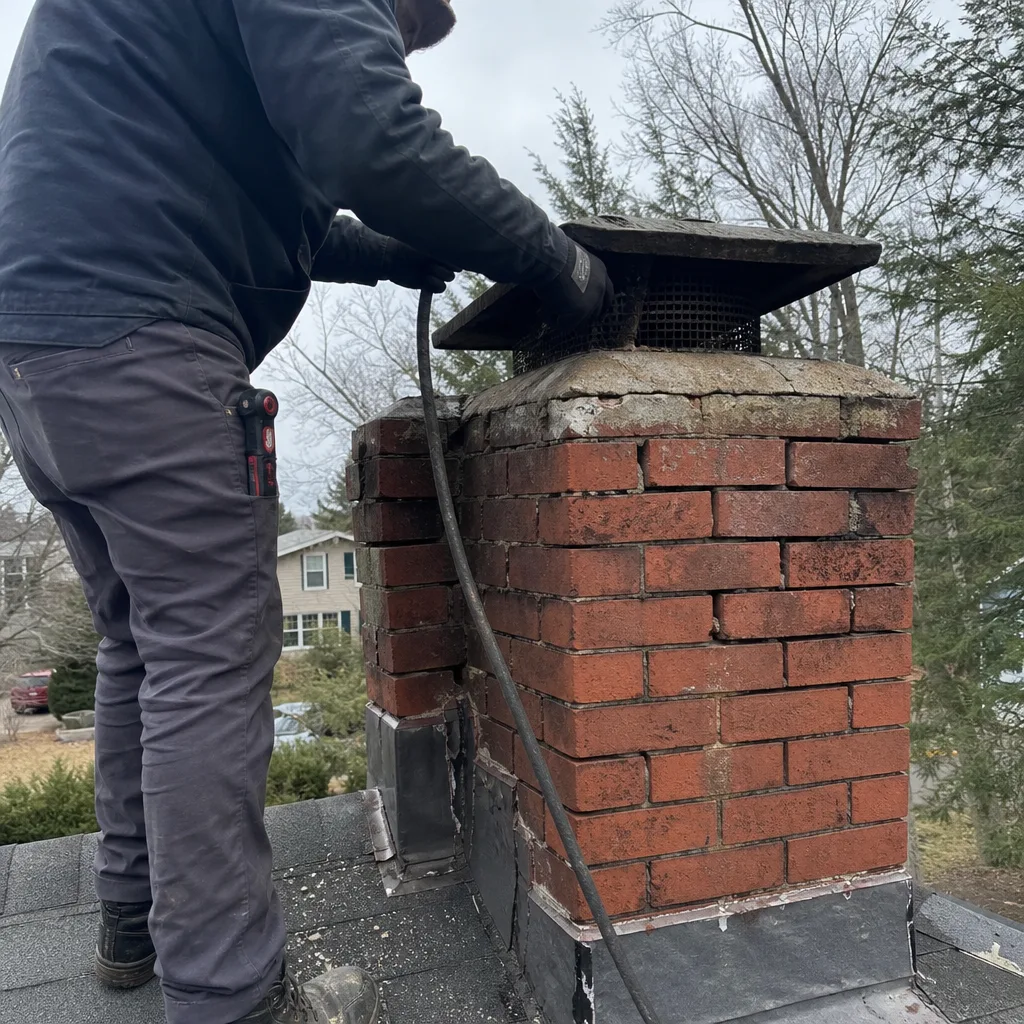 Before
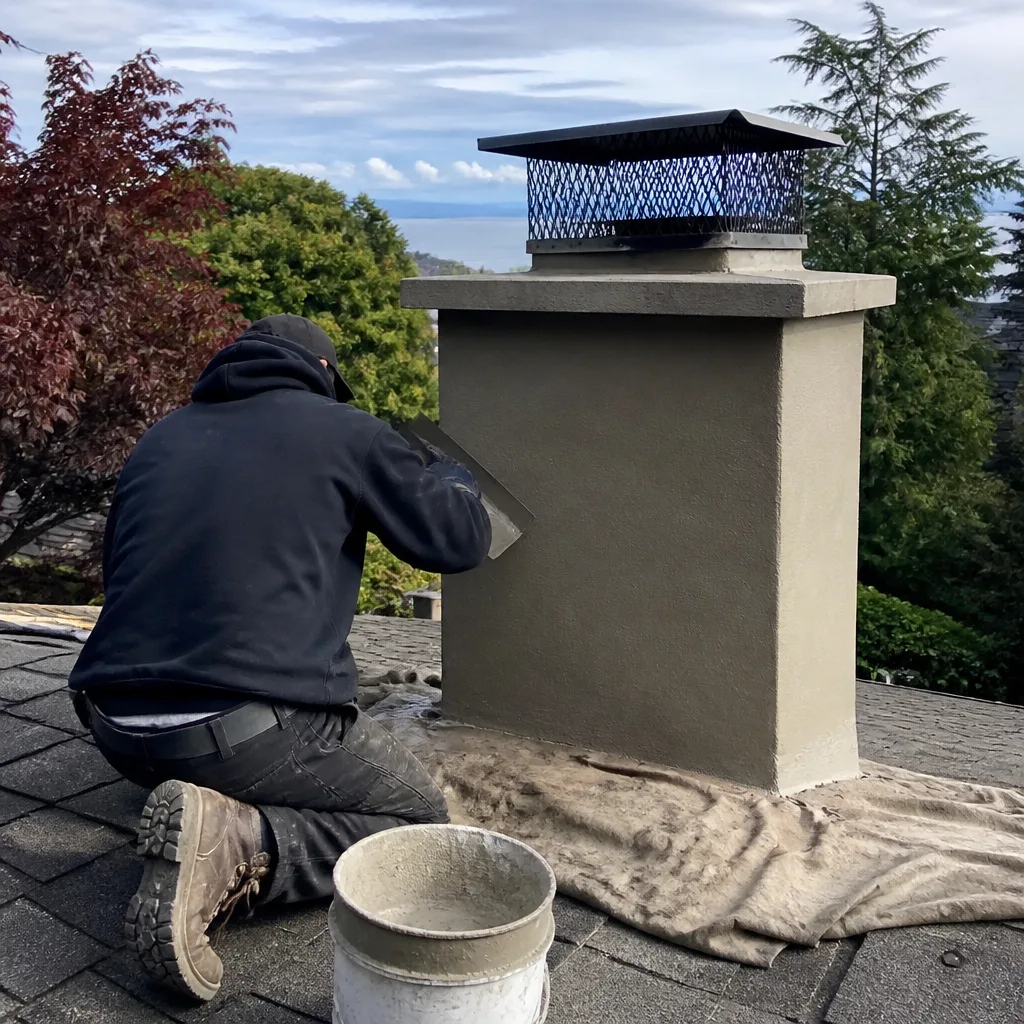 After
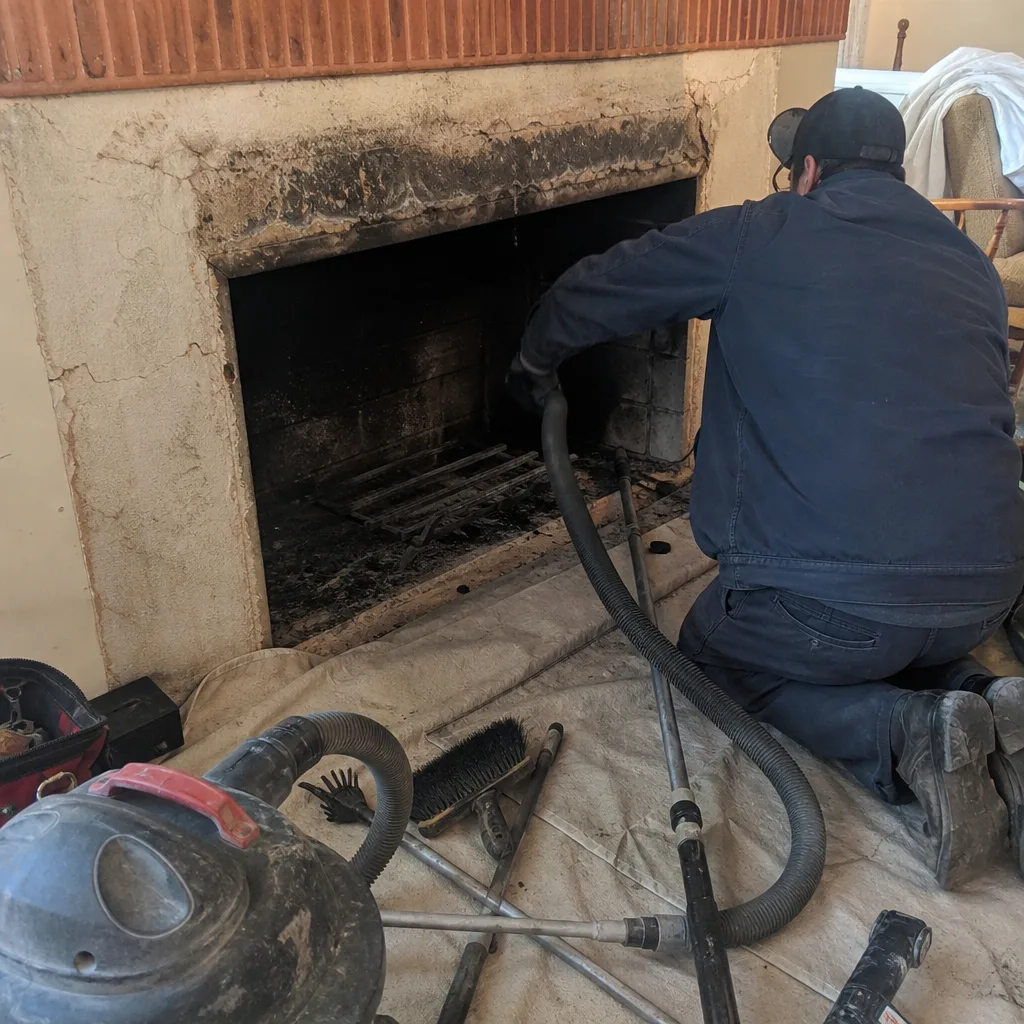 Before
 After
 Before
 After