
Last updated November 2, 2026
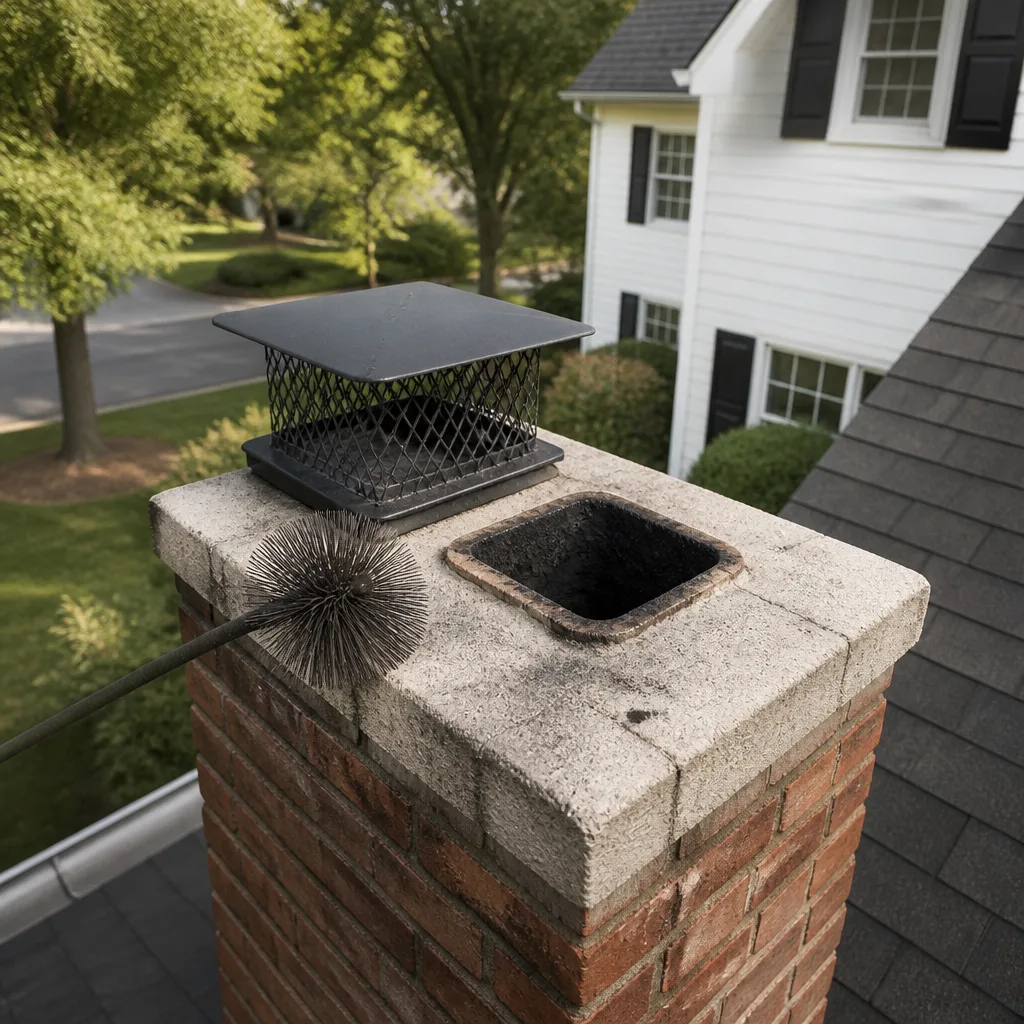 Sweep & inspection
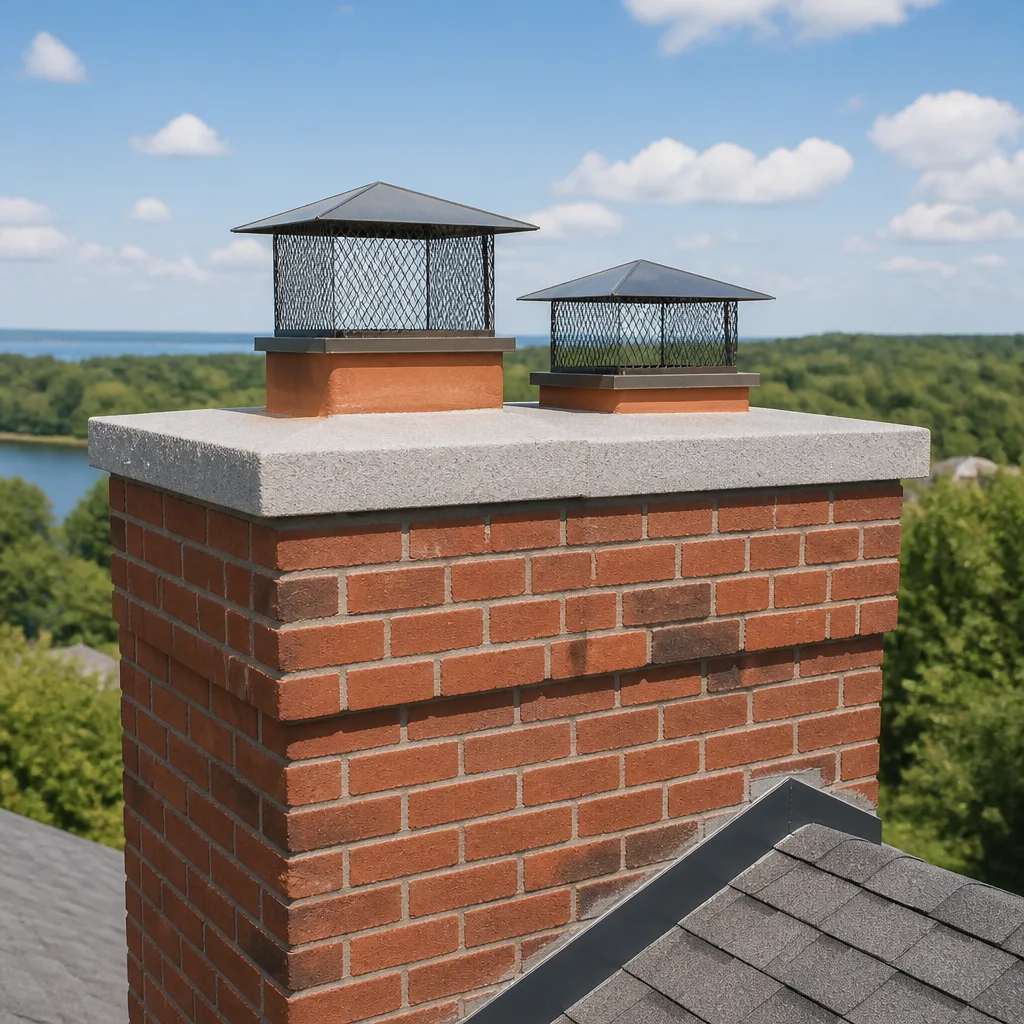 Caps & crowns
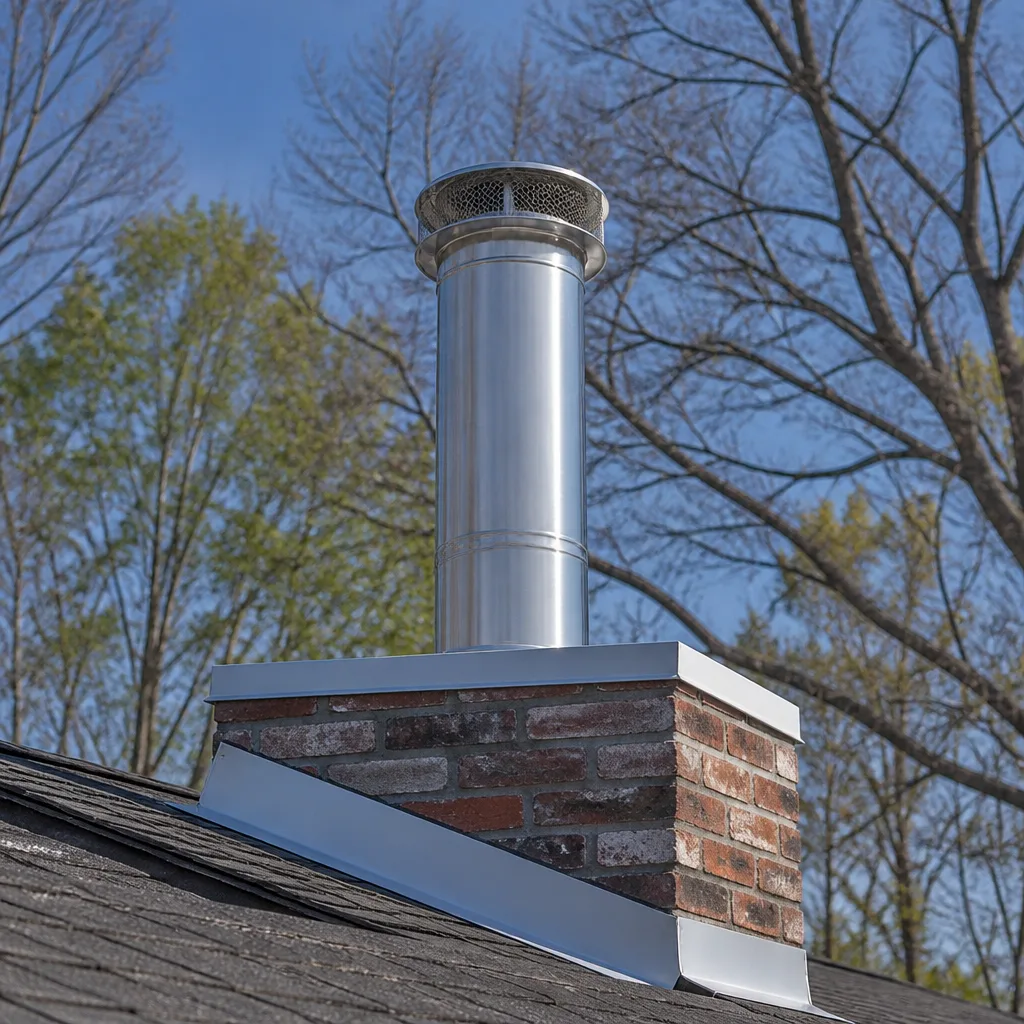 Flue relining
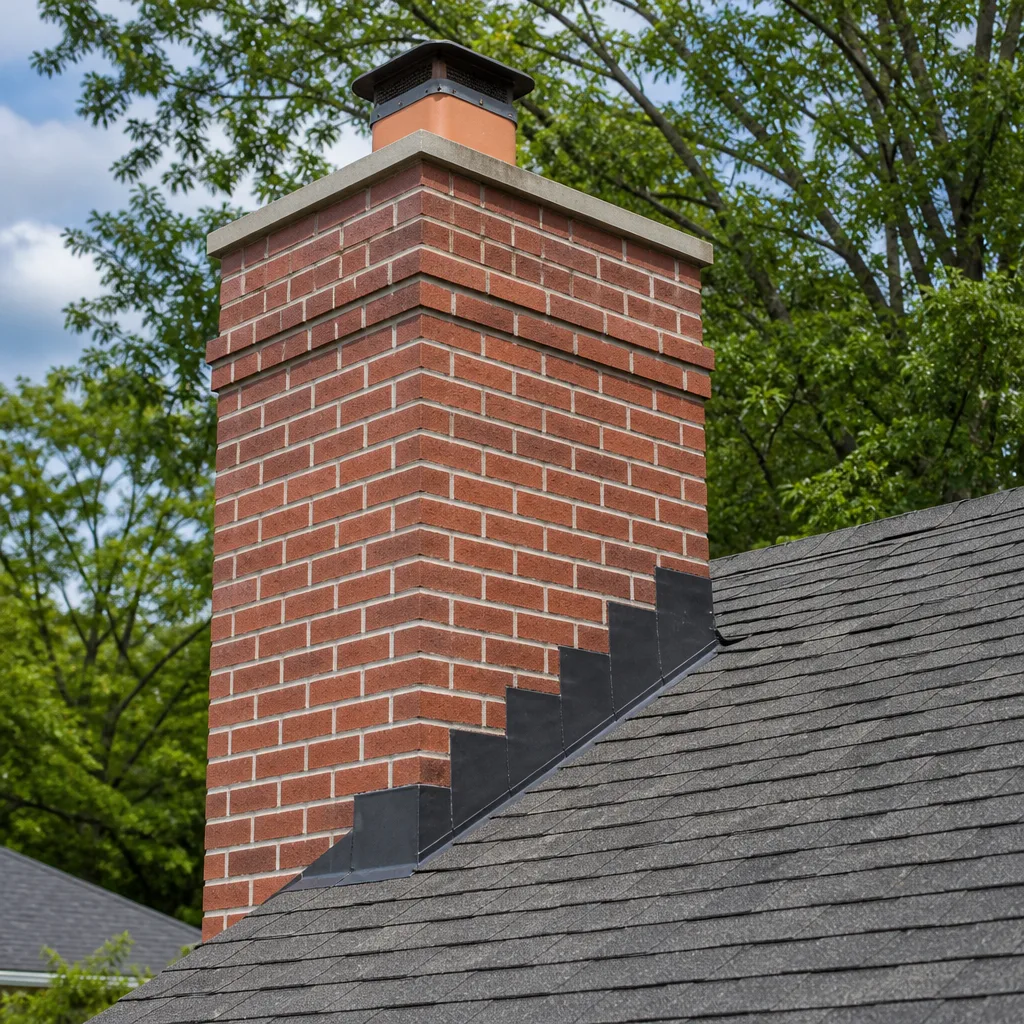 Masonry repair
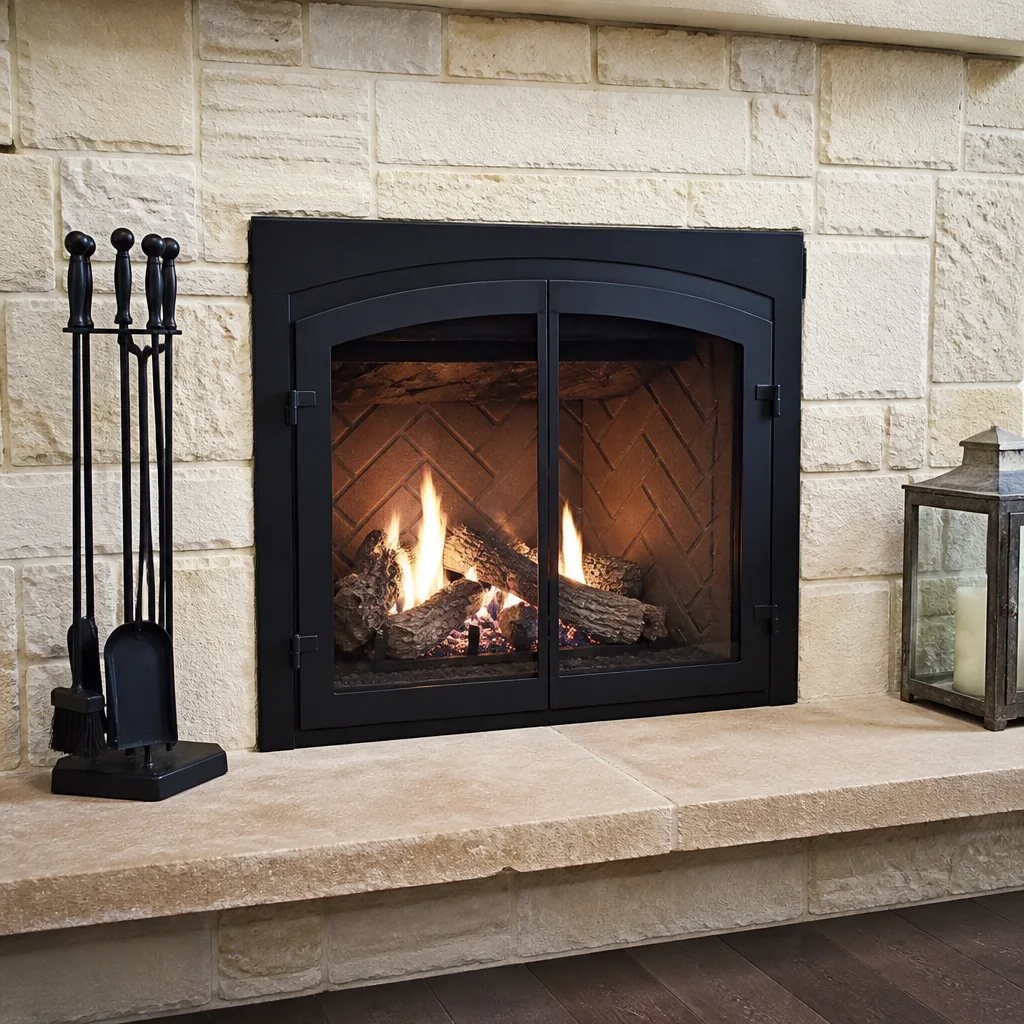 Gas fireplace service
Level 1 sweep and inspection to the NFPA 211 annual standard - flue, crown, cap, and flashing checked and photographed
Chimney sweep logs do not sweep chimneys. They loosen some creosote - which then falls where a brush and vacuum still have to collect it.
Seasonal Chimney Cleaning Care for Sea Cliff: Year-Round Homeowner’s Guide
The month Sea Cliff chimneys sustain the most moisture damage isn’t January. It’s June. While most homeowners assume winter rain is the primary threat, Sea Cliff’s marine layer produces a different kind of wear entirely: cold fog condensing against warm flue surfaces, saturating unprotected mortar joints over weeks of repeated thermal cycling. This guide covers the full maintenance calendar for Sea Cliff homes, not the generic four-season template handed out by national chimney brands. You’ll learn which tasks matter in which months, what the fog actually does to your masonry, and when professional attention is genuinely warranted versus when a visual check from the ground does the job.
Styles & brands we work with
- Sweep & inspection
- Caps & crowns
- Flue relining
- Masonry repair
- Gas fireplace service
Quick Answer
Seasonal chimney cleaning in Sea Cliff means sweeping wood-burning systems at least once per year, ideally in September after the fog season but before the rainy season, performing a post-winter moisture assessment each spring, and protecting the crown, flashing, and exterior masonry against the marine layer’s summer condensation cycles. Gas appliance venting needs its own, less frequent maintenance schedule, but should still be checked annually if the fireplace runs year-round. Download the month-by-month calendar below for a complete task list, or explore more guides & resources.
Table of Contents
- What Sea Cliff Weather Actually Does to Chimneys
- The Month-by-Month Maintenance Calendar
- Summer Fog: The Season Nobody Talks About
- Spring Assessment: What to Check After Winter Rain
- September Preparation: The Real Start of Chimney Season
- Off-Season Care for Gas Appliances That Run Year-Round
- Rainy Season Protection: Crowning, Sealing, and Flashing
- Common Mistakes to Avoid
- When to Call a Professional
- Frequently Asked Questions
- The Bottom Line
What Sea Cliff Weather Actually Does to Chimneys
Sea Cliff sits close enough to the Pacific that the marine layer is a daily event from late spring through early fall, not an occasional weather pattern. The result is a moisture profile unlike inland Bay Area communities. Your chimney absorbs moisture from four distinct sources, and three of them happen during the warmest months of the year.
The first source is direct rain, which Sea Cliff gets from November through March. The second is fog condensation, which is a summer phenomenon and, in our experience, the one homeowners overlook most often. The third is wind-driven salt spray from ocean air, which accelerates efflorescence and spalling on exposed masonry surfaces. The fourth is internal condensation, created when warm flue gases meet cold flue walls during spring and summer evenings.
What makes Sea Cliff’s moisture problem distinct is the cyclical nature of wetting and drying. Masonry materials, brick and mortar alike, expand when wet and contract when dry. One wetting cycle does minimal damage. But repeated cycles, especially the rapid ones caused by fog rolling in each evening and burning off each morning, break down the crystalline bonds inside mortar over time. This is why chimney crowns and mortar caps in Sea Cliff often fail in less than 15 years, while similar structures in drier inland communities last 25 or more.
Homeowners who only think about their chimney when they light a fire in December are already three seasons behind on moisture exposure. For a complete overview of the services that address these issues, see the Chimney Sweep in Sea Cliff guide.
- Summer fog: Condenses on warm flue surfaces, saturating mortar joints from late spring through early fall.
- Winter rain: Direct water entry through cracks in the crown or damaged flashing, persistent from November through March.
- Salt air: Accelerates masonry deterioration on homes within a few blocks of the ocean.
- Internal condensation: Created by the temperature differential between flue gases and masonry, most pronounced in spring and summer evenings.
The Month-by-Month Maintenance Calendar
Sea Cliff’s climate compresses the traditional chimney care timeline. Rather than thinking in four seasons, it’s more useful to think in two hazard windows: the fog season, from May through September, and the rain season, from November through March. The months in between, April and October, are transition periods for assessment and preparation.
Here’s the task calendar calibrated to Sea Cliff’s actual weather patterns:
- January: If you burn wood regularly, check the firebox for creosote accumulation each week. In wet winters, check for water streaks on the interior firebox walls after heavy rain. Those streaks indicate a failing crown or flashing.
- February: Heavy rain month. Monitor for dampness around the chimney chase, water stains on the ceiling near the chimney, or musty odors from the fireplace. Address any water entry issues before spring.
- March: End of primary burn season. Schedule a sweep if you used the fireplace more than a dozen times over the winter. This gets the system clean before surface creosote has months to harden in the flue.
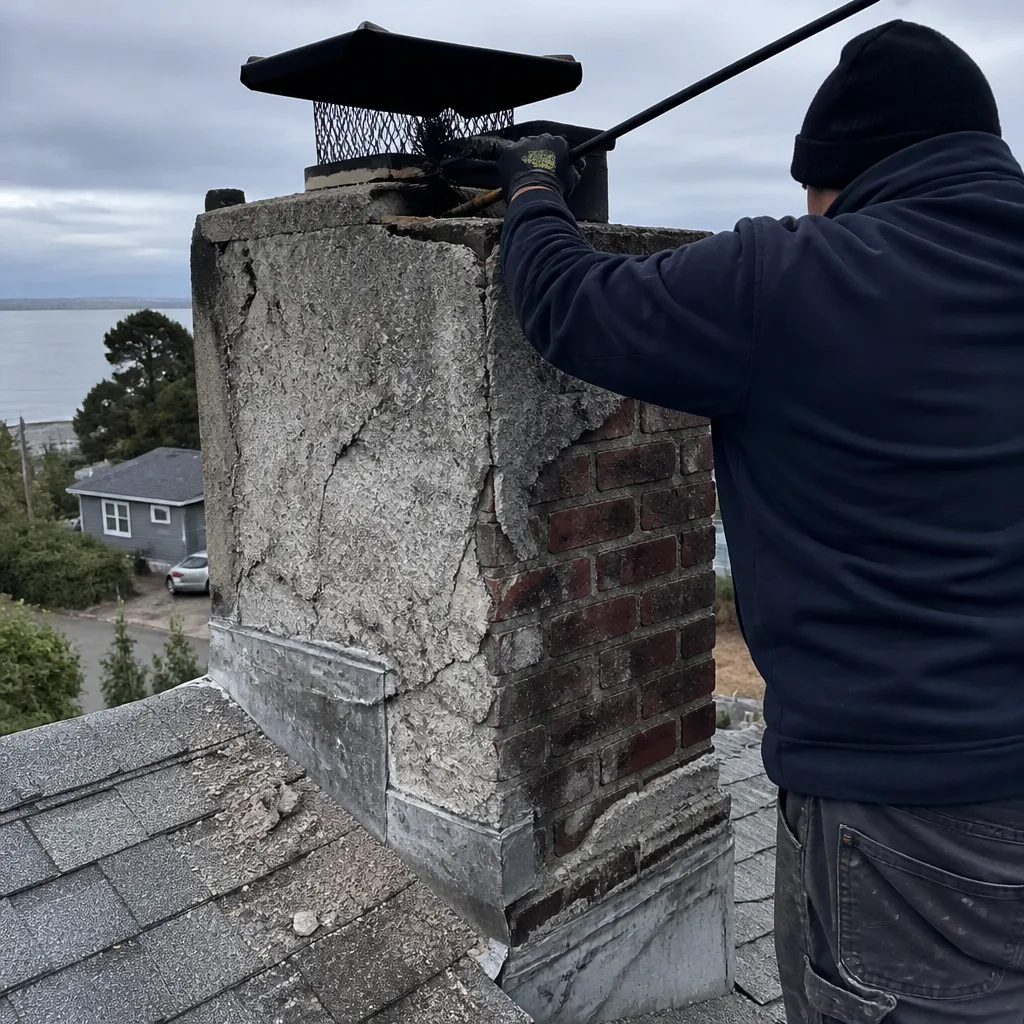
- April: Visual inspection month. Look for efflorescence (white mineral deposits on brick), loose or missing mortar joints, and damage to the chimney cap or spark arrestor.
- May: Fog season begins. Check at dusk when the marine layer rolls in. Look at the chimney crown from a ladder (or with binoculars) for standing water beads. If water beads sit on the surface rather than rolling off, the crown was never properly sealed or the sealant has worn off.
- June: Peak thermal cycling month. The combination of warmer daytime temperatures and cold evening fog creates the most expansion and contraction stress on your masonry. If you notice new hairline cracks in the crown or upper mortar joints, schedule a repair before those cracks widen.
- July: Nesting season is largely over. Inspect the top of the flue for bird or animal debris. In Sea Cliff, starlings and house sparrows are the most common chimney nesters. A screen or cap with 3/4-inch mesh is the standard preventive.
- August: If you’ve been putting off a chimney inspection, schedule it now. August is the best month to book professional attention in Sea Cliff because the winter rush hasn’t started and the fall rains are still months away.
- September: Schedule the annual sweep. This is the single most important task on the calendar. September allows time for repairs before the burn season starts and before roof work becomes complicated by rain.
- October: If you haven’t swept yet, do it now. Verify that the damper opens and closes smoothly, check the chimney cap, and clear any debris from the top of the flue before the first fire.
- November: Rainy season begins. After the first significant rain, check the firebox for water entry. A dry firebox after a heavy rain is a good sign; a wet one requires crown or flashing repair.
- December: Peak burn season. Burn seasoned hardwood only. Unseasoned wood produces more creosote and faster. Check creosote buildup in the first 18 inches of the flue every two weeks if you burn daily.
Summer Fog: The Season Nobody Talks About
The traditional chimney care narrative says: spring is for inspection, fall is for sweeping, winter is for burning. That narrative makes sense in Minneapolis or Denver. It fails in Sea Cliff, where the most damaging moisture exposure occurs between May and September, precisely when most homeowners aren’t thinking about their fireplaces at all.
Here’s what actually happens during a Sea Cliff summer evening. Your chimney masonry, heated by afternoon sun, meets the cold marine layer as it pushes in from the Pacific. The temperature differential can exceed 30 degrees. The fog itself is composed of water droplets small enough to remain suspended in air, but when those droplets contact a warm, porous surface like brick or mortar, they condense. The moisture penetrates the masonry’s microscopic pores. Then the next morning, the sun burns off the fog and evaporates the water, drawing mineral salts to the surface and weakening the crystalline structure of the mortar from within.
One evening of this cycle is meaningless. But Sea Cliff gets 60 to 90 fog-bound evenings per year, concentrated in the summer months. After several years of cyclical exposure, unprotected mortar joints begin to powder and crack. That’s when direct rainwater entry becomes possible in winter, compounding the damage. For repair options that address exactly this pattern, see our Chimney Repair in Sea Cliff page for condition-specific guidance.
The practical takeaway: summer is the season to visually inspect your chimney crown at least once a month during fog conditions. Look for beading water on the crown surface, darkening mortar joints, or any white mineral deposits that appear and then wash away. You don’t need a professional for these observations, but if you notice repeating patterns of water beading, a crown sealant or resurfacing may be needed before winter.
Spring Assessment: What to Check After Winter Rain
By April in Sea Cliff, the winter rains have moved through and the structure of your chimney has been tested. Spring is the time to assess what the wet season actually did, not just to plan for the fall burn season. Here’s a step-by-step assessment that any homeowner can do from the ground or a stable ladder:
- Efflorescence check. Look at the exposed chimney brick above the roofline. White, chalky deposits on the brick face indicate water moving through the masonry and depositing minerals on the surface. Light efflorescence is cosmetic. Heavy or recurring efflorescence means the masonry is saturated and losing structural integrity.
- Mortar joint probing. Use a flathead screwdriver to gently probe mortar joints within reach from the roof or a secure ladder. If the mortar crumbles or powders under light pressure, it’s time for repointing. Don’t dig aggressively; the point is to test surface integrity, not to remove material.
- Crown inspection. Look at the concrete or mortar crown at the top of the chimney. Winter rain followed by expansion and contraction cycles is what causes cracks here. Hairline cracks under 1/8 inch can be sealed with a crown coating. Wider cracks require professional evaluation because they may indicate structural movement.
- Flashing check. The metal flashing where the chimney penetrates the roofline is the most common source of chimney-related leaks into living spaces. Look for bent, rusted, or lifted flashing. Check for gaps between the flashing and masonry. If the flashing has separated, water will enter the attic space and eventually the ceiling below.
- Damper operation. Open and close the damper fully. If it sticks, squeals, or won’t fully close, it may have rusted during the winter from condensation exposure. A damper that doesn’t fully close lets warm air escape the house all spring and summer.
- Nesting check. Birds and small animals use chimneys as protected nesting sites. By spring, nests may be present but inactive. Look for twig debris in the firebox or unusual odors from the flue. Any removal should include installing or repairing a chimney cap to prevent recurrence.
Spring is also when many Sea Cliff homeowners schedule their annual sweep after a full season of burning. It’s a reasonable choice, but understand the tradeoff: sweeping in spring leaves the system clean and ready, but does nothing to address summer fog exposure. We recommend pairing a spring sweep with a crown sealant application if water beading was observed during the previous summer.
September Preparation: The Real Start of Chimney Season
In Sea Cliff, September is the critical month for chimney preparation. Here’s why: it’s the last reliably dry month before the rainy season, the fog cycle is tapering off, and there’s still ample time to complete repairs before the burn season starts in earnest. Waiting until November means scheduling a sweep in the same window as every other homeowner with a newly chill fireplace, and it means discovering moisture damage after the rains have started.
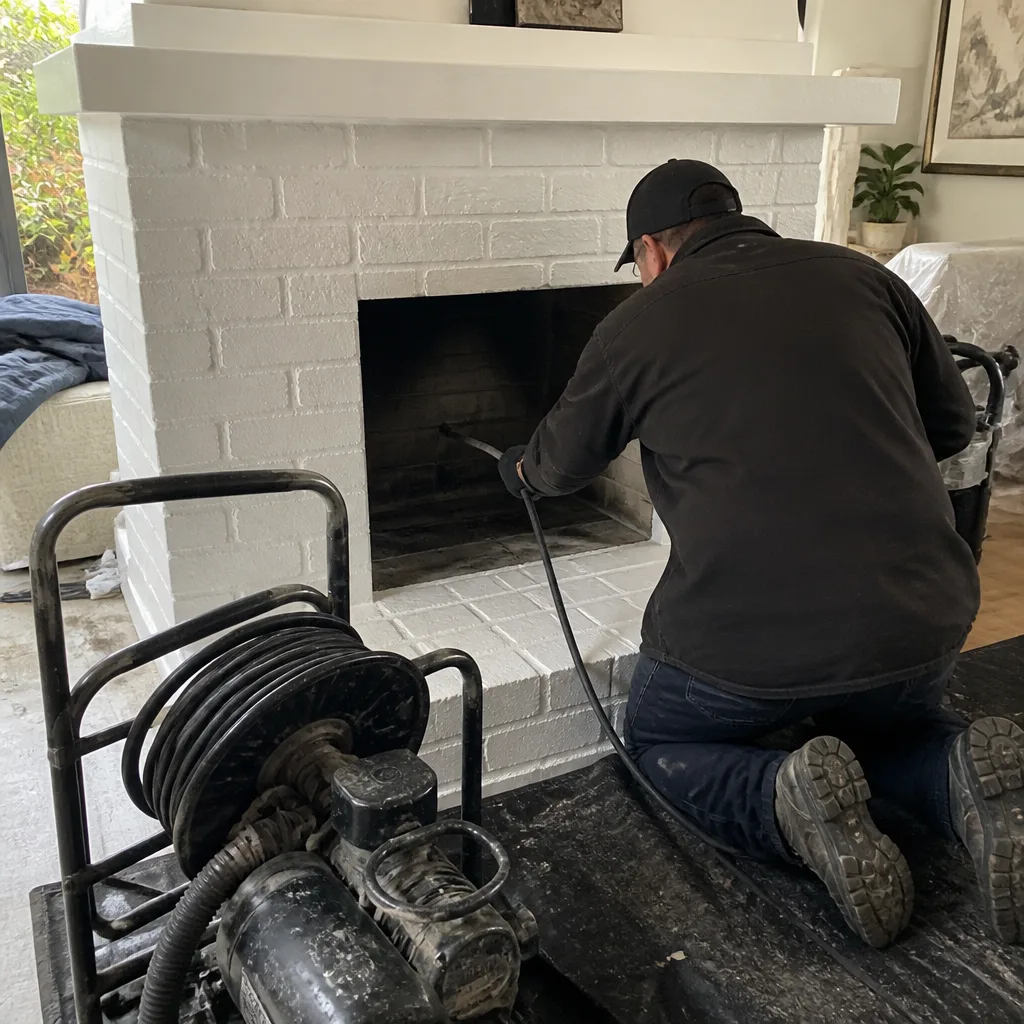
A September sweep works like this. The Sunstone Chimney Sweep home team arrives, removes accumulated creosote from the flue using professional rotary or brush equipment, and visually inspects the entire system from firebox to crown during the cleaning. This is the moment when small issues are caught before they become winter problems: a hairline crack in the crown, a deteriorated mortar joint in the smoke chamber, a damper that’s beginning to fail. Fixing these in September is a scheduling convenience. Fixing them in January is an emergency.
What to expect from a September sweep:
- Creosote removal: Complete cleaning of the flue to bare masonry or stainless steel surface, with the firebox vacuumed and cleaned afterward.
- Visual inspection: All accessible portions of the flue, smoke chamber, damper, and firebox checked for damage or deterioration.
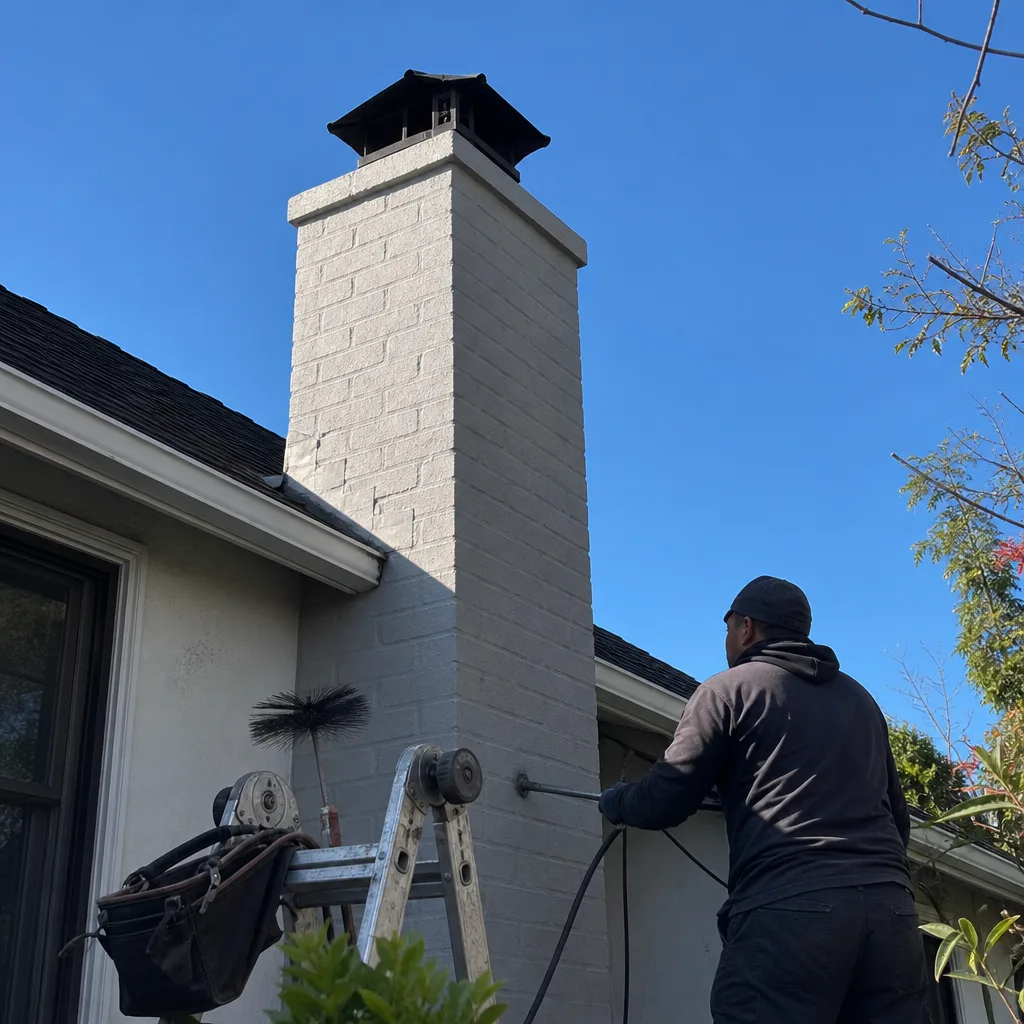
- Cap and screen check: The chimney cap and spark arrestor checked for rust, blockage, or animal entry.
- Crown assessment: The concrete crown evaluated for cracks and sealant condition, with recommendations if repair is needed.
- Safety verification: The damper, air supply, and flue diameter confirmed to match the appliance requirements.
After a September sweep, the system is ready for the first fire of the season, whatever month that happens to be. And if repairs are needed, the dry conditions make those repairs easier to complete correctly.
Off-Season Care for Gas Appliances That Run Year-Round
Not every Sea Cliff fireplace burns wood. Gas fireplaces, gas logs, and gas inserts are increasingly common, and they have a fundamentally different maintenance profile. The key difference is creosote. Gas appliances produce no creosote, so the traditional “sweep once per burn season” rule doesn’t apply. But gas flues still need attention, and the reasons are different.
Gas combustion produces water vapor and acidic condensate. In Sea Cliff’s cool flue conditions, that condensate attacks the interior of unlined masonry flues over time. If your gas appliance vents into an older unlined chimney, the flue tiles will gradually erode. In a lined system, the liner itself will accumulate deposits that, while not flammable in the same way as creosote, can restrict draft and reduce appliance efficiency.
For gas systems in Sea Cliff, the maintenance calendar looks like this:
- Annual visual check: Once per year, check the flue termination cap for blockage (leaves, animal debris, spider webs). Check the firebox for any signs of moisture staining. Verify that the pilot light burns steadily without flickering or changing color.
- Venting inspection every 2-3 years: The entire venting path should be professionally inspected for liner condition, joint integrity, and any signs of condensate damage. This is less frequent than wood sweep intervals because deposit accumulation is slower.
- Burner cleaning as needed: Gas burner ports accumulate dust and debris over time, especially in coastal Sea Cliff homes where salt air accelerates oxidation. A burner that burns yellow or unevenly needs cleaning.
- Condensate damage watch: If you notice white staining on the firebox walls, flaking interior surface, or a persistent acidic smell from the fireplace, the liner may be experiencing condensate damage. This requires professional evaluation, not a DIY fix.
One thing gas systems and wood systems share in Sea Cliff: exterior moisture exposure. The crown and flashing protect both types of chimneys from water entry, and the fog cycling we described earlier affects gas vent masonry exactly the same way it affects wood chimney masonry. Year-round gas usage doesn’t exempt a chimney from exterior maintenance.
Rainy Season Protection: Crowning, Sealing, and Flashing
From November through March, Sea Cliff gets most of its annual rainfall. If any part of your chimney’s exterior moisture barrier has failed, this is when you’ll find out. The goal of rainy season preparation is simple: ensure that water rolls off the chimney exterior and never has a path into the masonry, the flue, or the house.
The three components that matter:
The crown. The crown is the concrete or mortar cap at the very top of the chimney. Its job is to shed water away from the flue and off the masonry surface below. A properly built crown overhangs the chimney by at least 2 inches on all sides and has a drip edge cut into the underside so water doesn’t run back onto the brick. In Sea Cliff, many older crowns were built flush with the chimney face or without any overhang, which means water runs straight down the brick face. Over time, this saturates the masonry and leads to spalling, efflorescence, and eventual structural compromise. A crown coating, properly applied in dry weather, seals hairline cracks and creates a waterproof surface. If the crown is structurally damaged, replacement is the only correct fix.
The sealer. Brick and mortar are porous. Rain and fog water penetrate the surface unless the masonry is treated with a breathable water repellent. Breathable is the key word. A sealer that traps water inside the masonry from the flue side causes more damage than it prevents. Professional-grade masonry water repellents allow interior moisture to escape while preventing exterior moisture from entering. Depending on the product and the exposure conditions, these treatments last 5 to 10 years. Sea Cliff homes closer to the ocean will need more frequent reapplication.
The flashing. Flashing is the metal barrier where the chimney penetrates the roof surface. It’s layered so that water running down the roof and water running down the chimney face are both directed away from the intersection. When flashing fails, the leak often shows up far from the chimney itself: a water stain on the ceiling, dampness in the attic, or peeling paint on an interior wall. Flashing failures require repair or replacement by a professional, since the work involves roof access and correct layering technique.
For Sea Cliff specifically, we recommend a late-summer or early-fall assessment of all three components, while the masonry is still dry from the fog season. Sealants and coatings applied to dry masonry bond better and last longer than those applied after rain exposure.
Common Mistakes to Avoid
- Skipping the September sweep. Waiting until November or December to sweep means you’re competing with the rush, and if repairs are needed, you’re doing them in the rain. September is the right month in Sea Cliff, full stop.
- Using a sealer on the flue interior. Masonry sealers are for exterior surfaces only. Applying them inside the flue traps moisture and accelerates deterioration while creating a potential fire hazard.
- Ignoring summer fog. Most chimney damage in Sea Cliff starts between May and September, when condensation cycling is at its peak. Homes that only get attention in the winter are treating the symptom, not the cause.
- Burning unseasoned wood. Green or wet wood produces excessive creosote even in a properly drafting chimney. In Sea Cliff’s cool flue conditions, creosote accumulation happens faster than in warmer climates because the smoke condenses more readily on cold flue walls.
- Removing a chimney cap. The cap protects against rain, animal entry, and debris. Some homeowners remove it because of draft issues, but the right fix is correcting the draft problem, not exposing the flue to weather and wildlife.
- Assuming gas chimneys never need service. Gas systems produce condensate that damages flues over time. A gas fireplace that hasn’t been inspected in a decade is as much of a liability as a wood system that hasn’t been swept.
- DIYing repointing. Mortar joint repair requires matching the correct mortar type for the brick’s age and hardness. Using the wrong mortar, typically a modern Portland cement mix on older brick, causes the brick to crack and spall. This is one repair where a professional eye saves money in the long run.
When to Call a Professional
Some chimney issues are homeowner-friendly: visual checks from the ground, monthly fog observations, firebox creosote monitoring. Others require professional equipment and training. Call a chimney professional when you notice water staining inside the house near the chimney, when you see cracked or missing mortar joints on the upper chimney structure, when the damper no longer opens or closes, or when animals have nested in the flue. If you haven’t swept in two or more burn seasons, you’re overdue regardless of how clean the firebox looks. Sunstone Chimney Sweep offers free estimates in Sea Cliff. Call (833) 593-0743 to schedule an assessment, and we’ll tell you straight whether the system needs immediate work or whether it can wait another season. We’d rather give you an honest answer than create unnecessary urgency. For dryer vent safety, see our Dryer Vent Cleaning in Sea Cliff page as well.
Frequently Asked Questions
A wood-burning chimney in Sea Cliff should be swept at least once per year, ideally in September before the burn season starts. Homes that burn daily through the winter or burn softwoods may need a mid-season sweep as well. The frequency isn’t determined by a calendar alone; it’s determined by creosote accumulation, which you can monitor by checking the first few feet of the flue above the damper.
Professional chimney sweeping in Sea Cliff typically runs between $180 and $340 for a standard flue, with the price varying based on flue height, creosote level, and whether the system has any obstructions or access complications. For a detailed analysis, see our Chimney Cleaning Cost Breakdown: The Sea Cliff Homeowner’s Reference for 2026. The estimate should include the sweep itself, the firebox cleanup, and a visual condition report. When you call for pricing, ask what’s included in the quoted number so you’re comparing equal scopes of work. Call (833) 593-0743 for an exact quote for your system.
Yes, but less frequently than wood systems. Gas flues accumulate condensate residue rather than creosote, and that residue can corrode liners and restrict draft over time. A gas system should be inspected every 2 to 3 years for liner condition and venting integrity, even if no “cleaning” in the traditional sense is required each year.
Creosote accumulates with every wood fire. Once it reaches 1/8 inch of thickness, it represents a real chimney fire risk. A chimney fire can reach 2,000 degrees, which is sufficient to crack flue tiles, warp metal liners, and spread to surrounding framing in minutes. Beyond the immediate fire risk, skipped cleaning allows water damage to progress unchecked, because the only time most homeowners notice flue deterioration is during the sweep itself.
Sea Cliff’s summer fog creates daily wetting and drying cycles that don’t occur in inland communities. The fog condenses on warm flue surfaces, saturates the outer layer of masonry, and then the afternoon sun evaporates that moisture, drawing minerals outward and weakening the mortar. After several summers of this cycling, the masonry develops cracks that admit winter rainwater. This is why homes in fog-belt communities show masonry deterioration earlier than identical homes just a few miles inland.
Application is physically simple, but the preparation and product selection matter more than the application. The masonry must be clean and fully dry, which usually means several consecutive dry days, and the product must be a breathable silane or siloxane-based repellent specifically made for chimney masonry. Applying the wrong product, like a film-forming acrylic sealer, traps moisture inside the masonry and accelerates deterioration. If you’re unsure about the right product for your brick type, a professional assessment is cheaper than repairing damage from a bad sealer. Be sure to review Chimney Cleaning Permits, Codes & Inspections in CA: What You Need to Know before starting any major work. Call (833) 593-0743 for guidance.
The Bottom Line
Sea Cliff’s chimney care calendar starts in September, not November, and the most damaging season is the foggy summer, not the rainy winter. A year-round approach means monitoring the crown and mortar during the months when the marine layer is active, sweeping before the burn season begins, checking for moisture entry after each winter’s rain, and addressing exterior protection while the masonry is still dry. The systems that last in Sea Cliff are the ones that get attention in June as well as November. Most chimney failures are gradual. The signs are visible months before the problem becomes expensive. You just have to know what to look for and when to look.
Written by the team at Sunstone Chimney Sweep, serving Sea Cliff since 2011.
See the difference
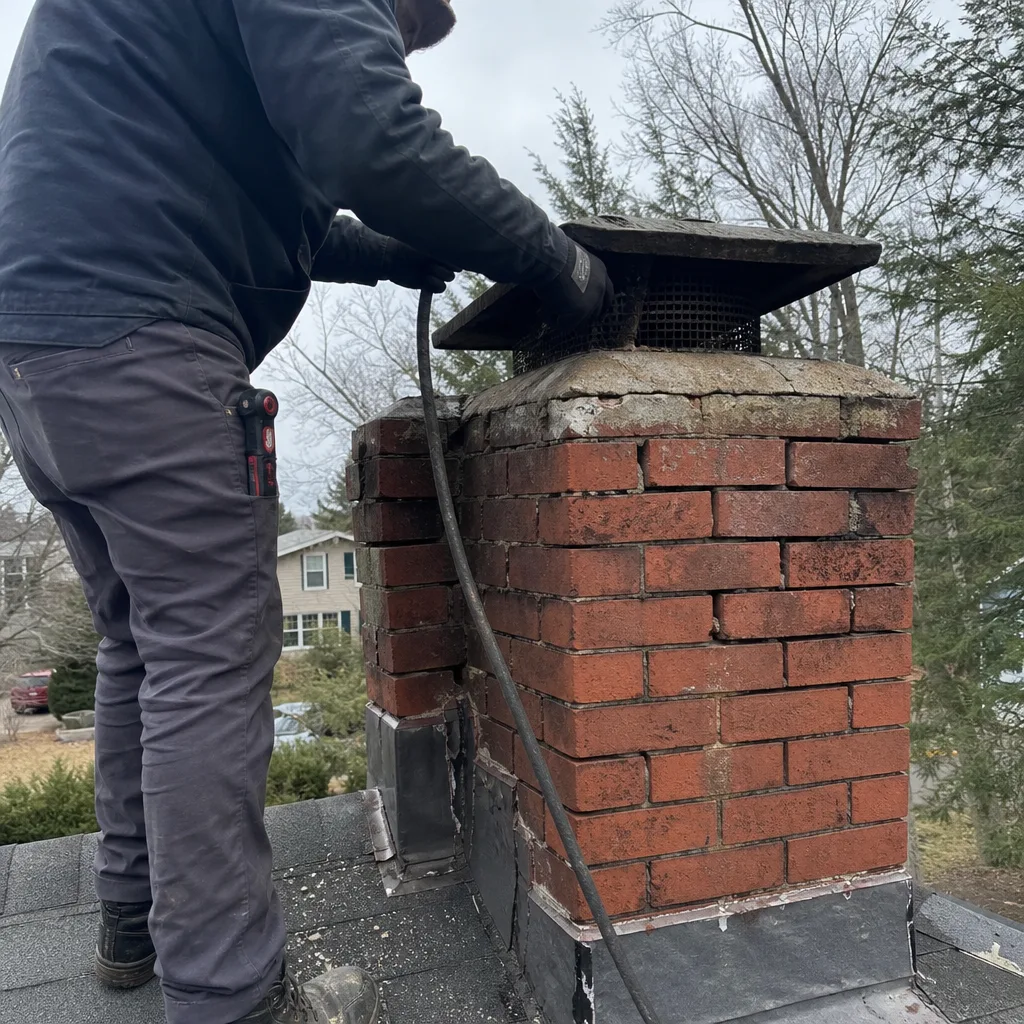 Before
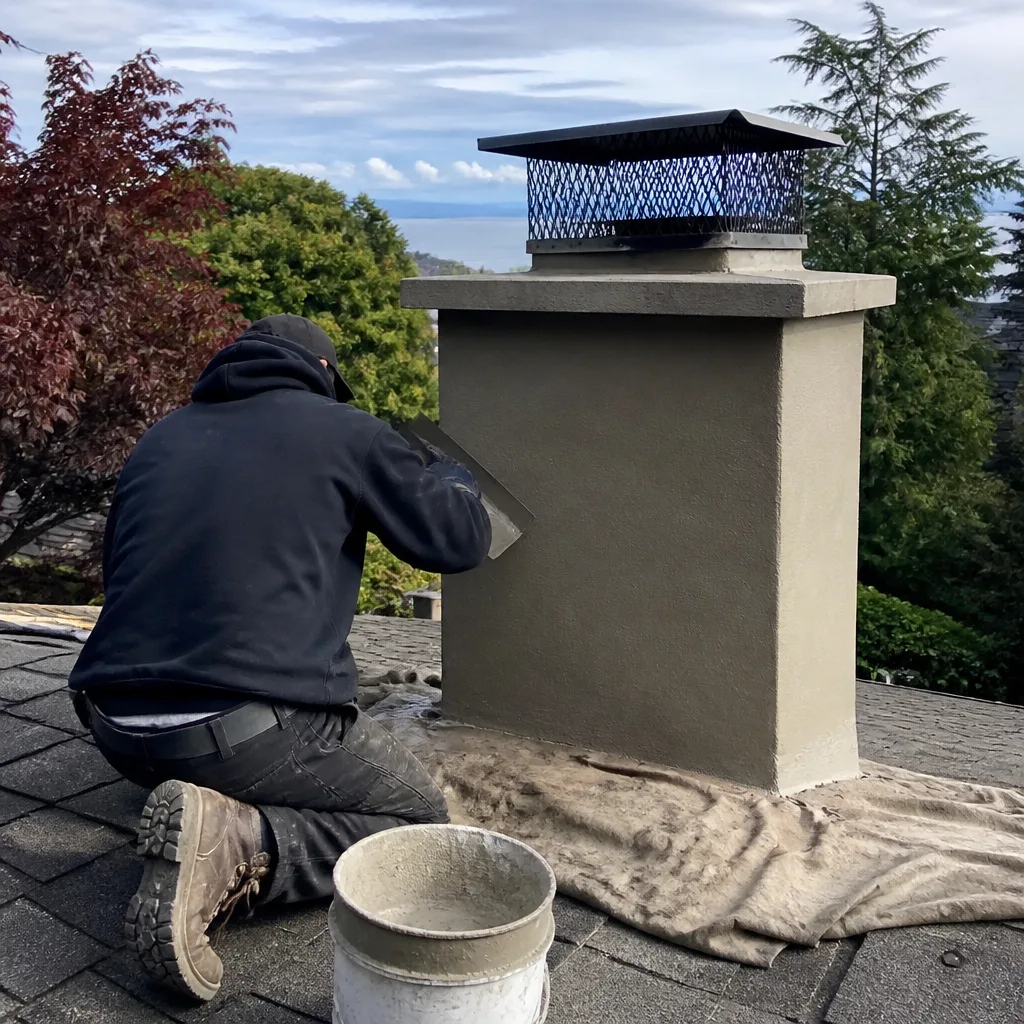 After
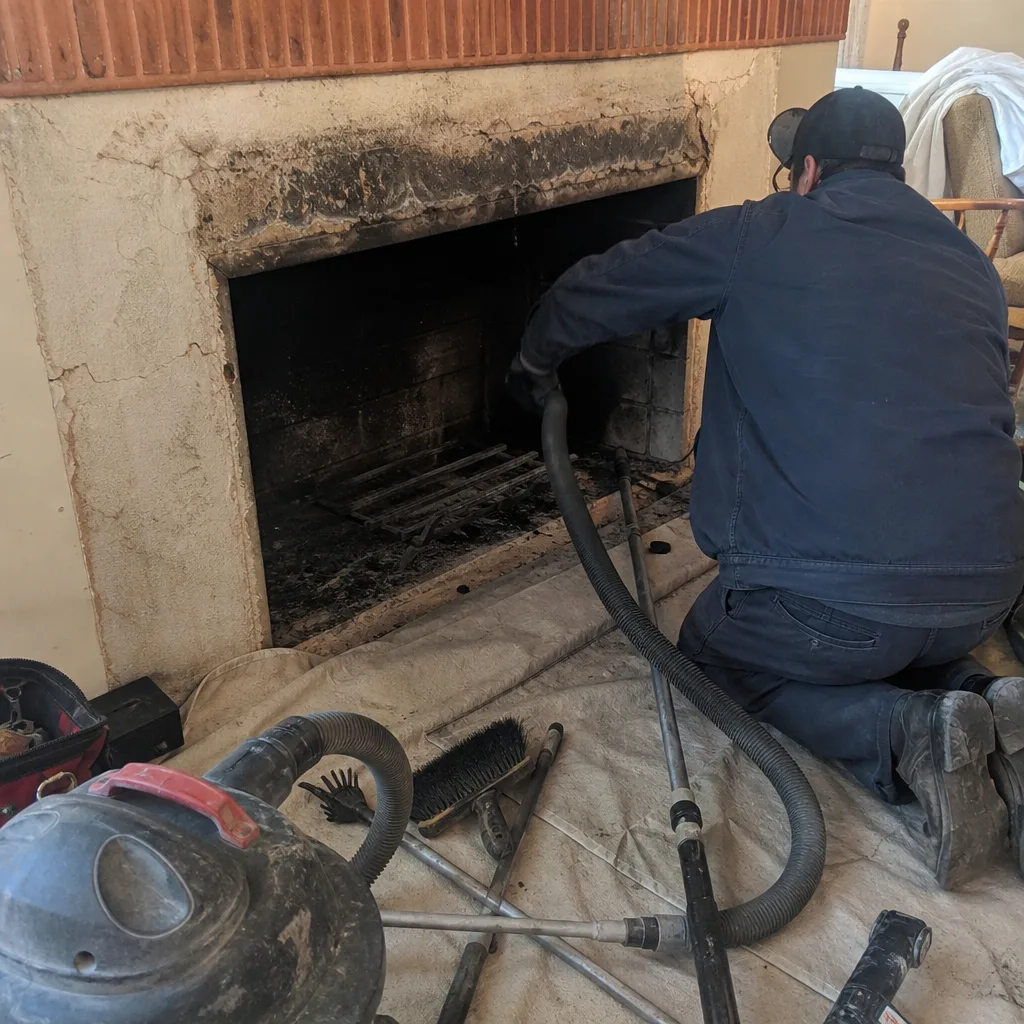 Before
 After
 Before
 After