
Last updated November 2, 2026
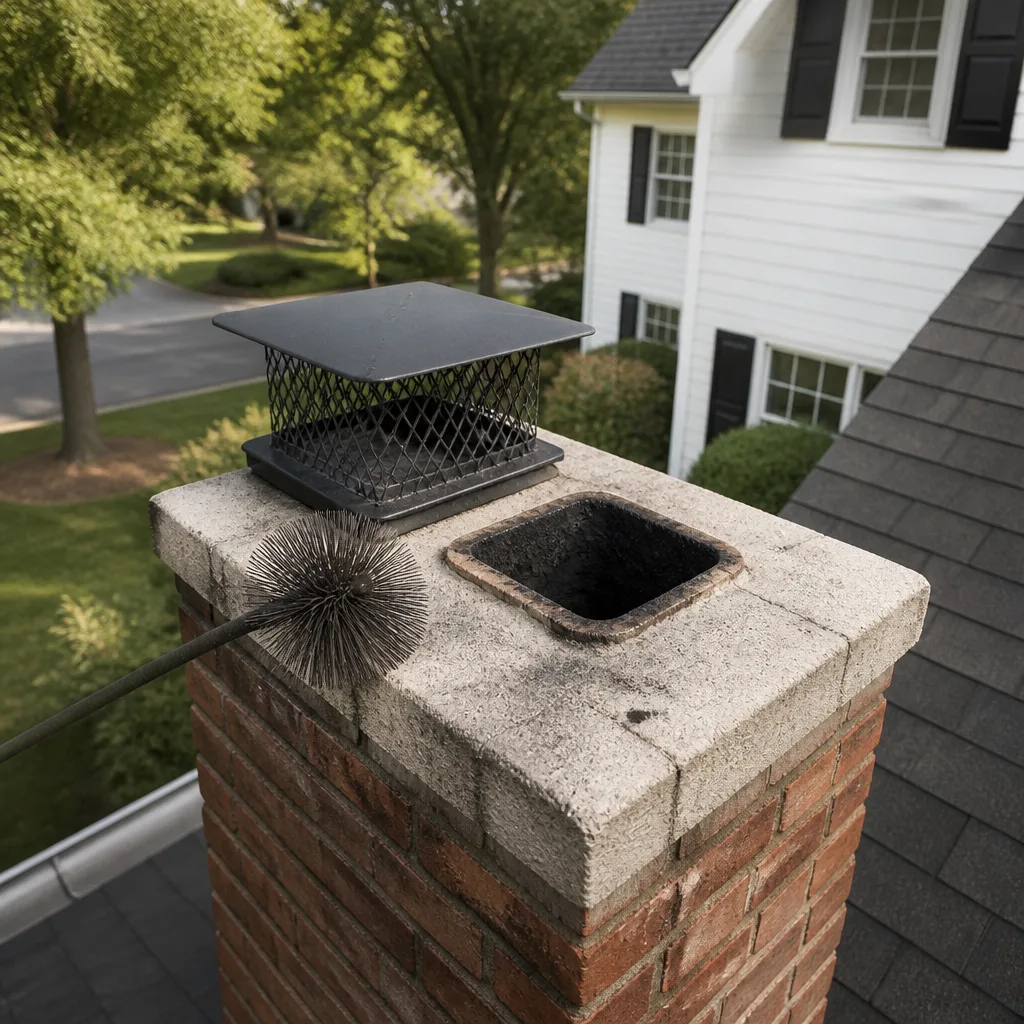 Sweep & inspection
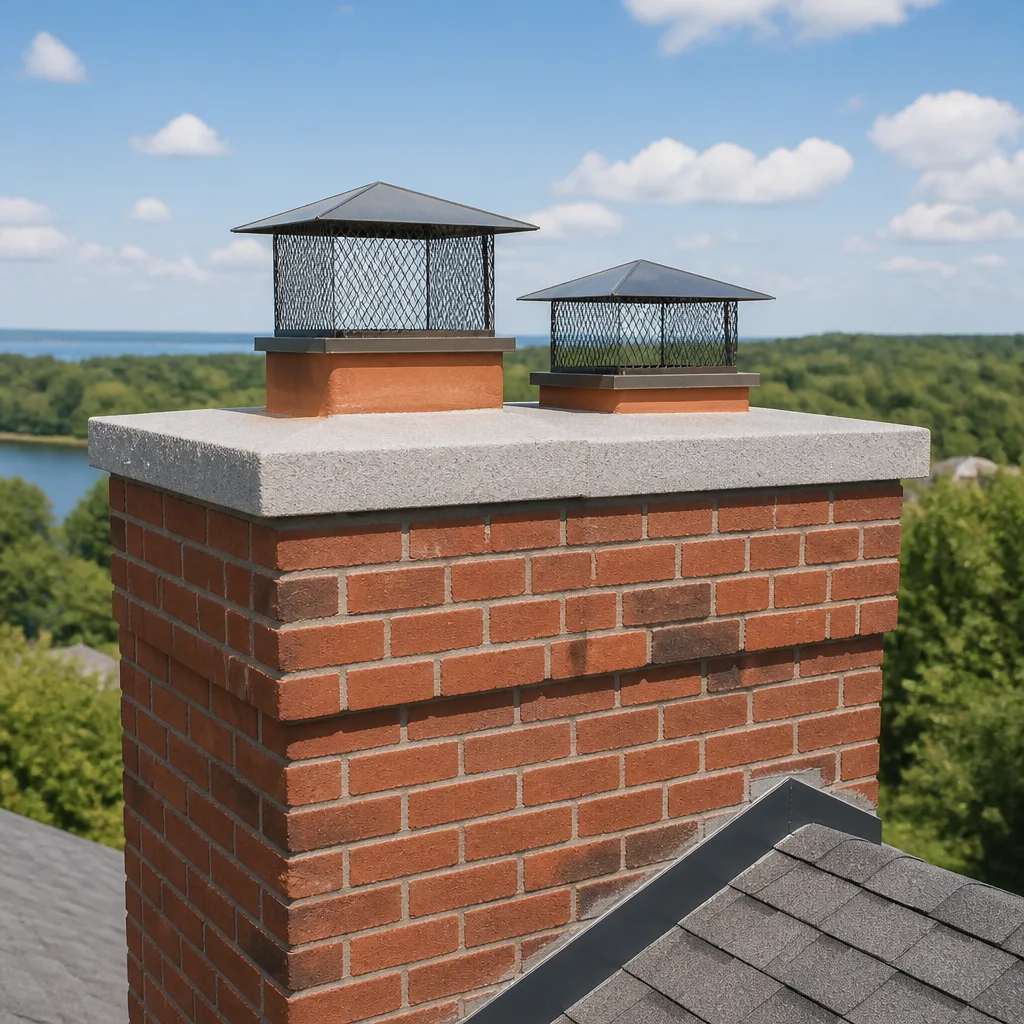 Caps & crowns
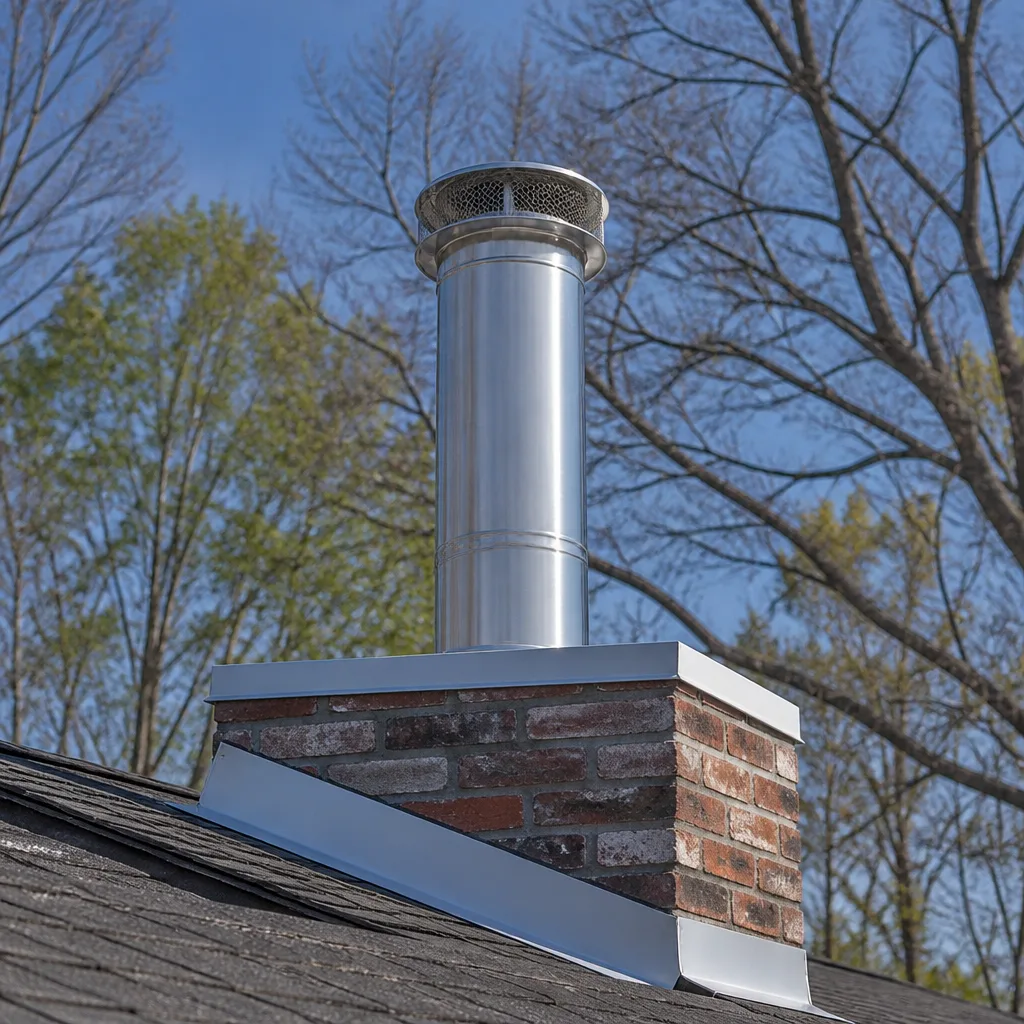 Flue relining
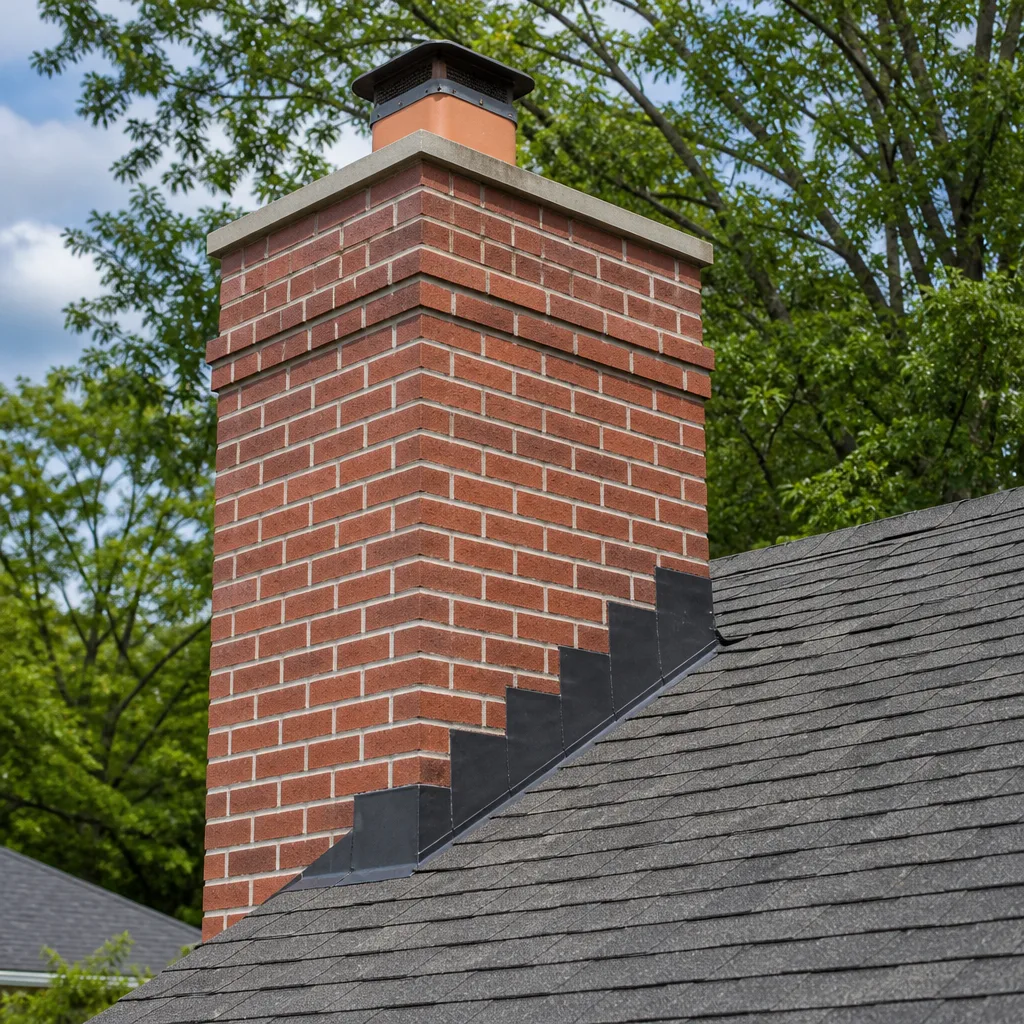 Masonry repair
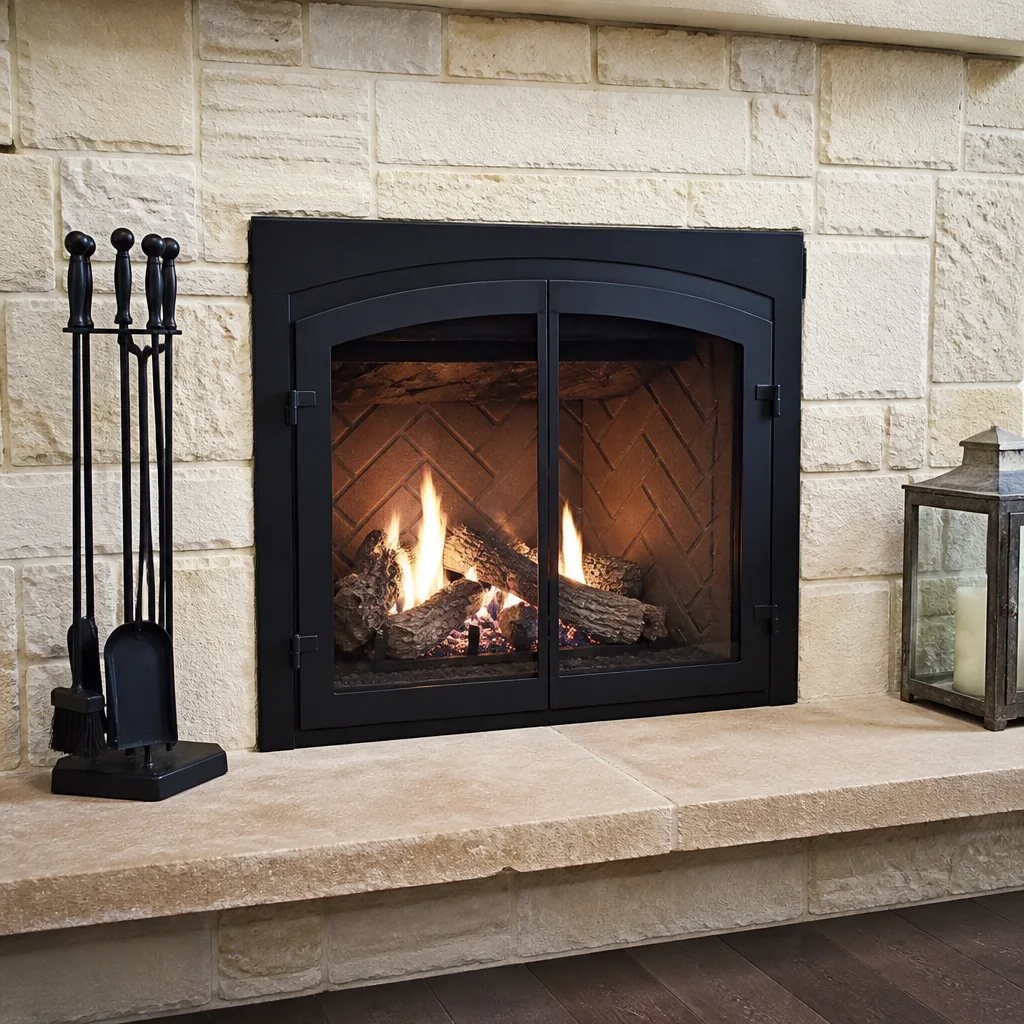 Gas fireplace service
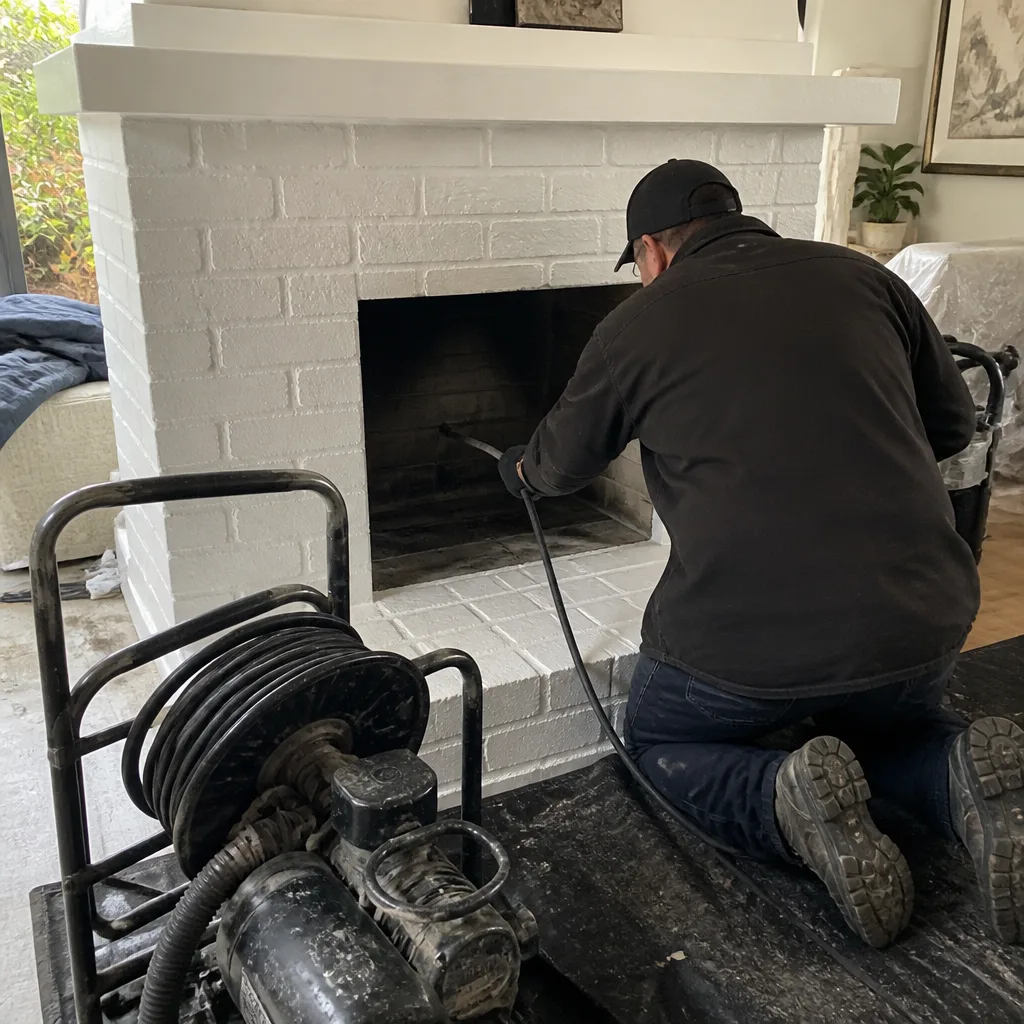
Level 1 sweep and inspection to the NFPA 211 annual standard - flue, crown, cap, and flashing checked and photographed
Chimney sweep logs do not sweep chimneys. They loosen some creosote - which then falls where a brush and vacuum still have to collect it.
How to Hire a Chimney Cleaning Contractor in Sea Cliff: A Step-by-Step Guide
Chimney fires account for roughly 25,000 residential fires in the U.S. each year, and the majority share a single root cause: a homeowner who couldn’t tell the difference between a surface-level sweep and a genuine system inspection. The contractor you hire either understands venting, draft dynamics, and liner materials, or they’re running a brush up a flue and charging you for the privilege. This guide walks through exactly how to vet a chimney cleaning contractor in Sea Cliff, what questions to ask before you book, and how to read the report you get afterward. By the end, you’ll know more about what makes a competent chimney professional than most contractors expect you to.
Quick Answer
To hire a competent chimney cleaning contractor in Sea Cliff, verify CSIA certification, ask what their cleaning includes beyond brushing (inspection level, written report, photos), and confirm they stock professional-grade repair materials from recognized trade suppliers rather than consumer substitutes. Book a contractor who diagnoses your system before quoting, answers liner and fuel-type questions directly, and provides a written post-service report with specific findings and material specs.
Styles & brands we work with
- Sweep & inspection
- Caps & crowns
- Flue relining
- Masonry repair
- Gas fireplace service
Table of Contents
- Why a Certification Checklist Alone Fails Most Homeowners
- The Five Questions to Ask Before You Book
- What CSIA Certification Actually Covers and What It Doesn’t
- How to Verify Professional-Grade Materials
- Red Flags: What a Bad Contractor Sounds Like
- The Post-Service Report: What You Should Receive
- Why Sea Cliff’s Climate Changes the Math
- Common Mistakes to Avoid
Why a Certification Checklist Alone Fails Most Homeowners in Sea Cliff
A contractor who quotes chimney cleaning over the phone without asking about your fuel type, liner material, or appliance type isn’t diagnosing your system. They’re selling a service interval. That distinction matters more in Sea Cliff than in many Bay Area neighborhoods because the housing stock here skews older. A 1920s masonry fireplace with a terra-cotta liner behaves differently than a 1990s prefabricated insert, and a sweep that treats them the same way is already behind.
The fundamental problem with “hire a CSIA-certified sweep” advice is that certification establishes a floor, not a ceiling. The Chimney Safety Institute of America tests on code knowledge, inspection standards, and basic sweeping protocol. It doesn’t test whether the technician can diagnose a deteriorating parge coat, identify improper flue sizing, or specify the correct refractory mortar for a repair. Those skills come from experience and from access to professional-grade materials, not from a certificate on the wall. Our guidance below gets into what matters beyond the credential.
In our experience working across Sea Cliff, we regularly encounter chimneys that were “cleaned” annually for years while a significant defect sat unaddressed because no one took photos or wrote down what the flue actually looked like. The cleaning happened. The diagnosis didn’t. That’s the gap this guide closes.
The Five Questions to Ask Before You Book a Chimney Cleaning in Sea Cliff
Ask these five questions before you schedule anything. A competent contractor answers them without hesitation. A brush-and-go crew stumbles on at least two.
- “What inspection level is included with the sweep?” The answer should be at minimum a Level 1 inspection, which covers the readily accessible portions of the appliance and flue. If they say “we look at everything while we clean,” ask what that means. A proper Level 1 is a defined protocol, not a glance.
- “What happens if you find a defect during the cleaning?” This separates sweepers from system technicians. The right answer includes a written description, photos, and a specific repair recommendation with material specified. The wrong answer is a vague “we’ll let you know if we see anything.”
- “Do you stock repair materials from trade suppliers, or do you pick up what’s needed at a hardware store?” This feels aggressive to ask, but it’s the single most revealing question on the list. A contractor who stocks DuraFlex liner systems or HeatShield ceramic repair materials operates differently from one who improvises.
- “What’s your process for protecting the home during cleaning?” The answer should include floor protection, dust containment, and a vacuum rated for fine particulate. If they don’t mention dust control as a specific, planned step, keep looking.
- “Can you reline or repair the chimney if needed, or will I need a second contractor?” A full-service team that sweeps, repairs, and addresses venting issues in one visit saves you coordination cost and the risk of two companies pointing at each other when something goes wrong.
Each of these questions takes thirty seconds to ask. Together, they tell you whether you’re hiring a chimney specialist or a seasonal laborer with a brush.
What CSIA Certification Actually Covers, and What It Doesn’t
CSIA certification is a meaningful baseline. The Certified Chimney Sweep credential from the Chimney Safety Institute of America requires passing an exam that covers inspection standards, code compliance, safety protocol, and sweeping methodology. It requires continuing education to maintain. It’s the single most recognized credential in the industry, and any contractor working on your Sea Cliff home should hold it.
But certification doesn’t guarantee repair competency. A CSIA-certified sweep understands how to identify a cracked flue tile. That doesn’t mean they’re qualified to resurface the liner with a ceramic product like HeatShield, or to correctly size and install a flexible liner system. Those are separate competencies, and many certified sweeps never develop them. The certificate confirms baseline knowledge and a commitment to the craft. It doesn’t confirm the contractor’s material sourcing standards, their diagnostic thoroughness, or their willingness to tell you when a repair can safely wait instead of pushing an upsell.
What this means practically: use CSIA certification as a filter, not an endpoint. Confirm the cert, then ask the five questions above. The certification tells you they passed a test. The questions tell you how they operate on a Sea Cliff rooftop on a foggy January morning.
One more note on professional standards. At Sunstone Chimney Sweep, we take the additional step of stocking repair materials from recognized trade suppliers like Olympia Chimney and Copperfield. The certification means the technician knows the code. The supplier list means the repair materials meet the code’s intent, not just its minimum. That distinction matters when you’re deciding between a contractor who arrives with a complete parts inventory and one who makes a hardware store run mid-job.
How to Verify a Contractor Uses Professional-Grade Materials
Most homeowners never think about what goes into a chimney repair until the wrong product is already mixed and troweled into place. Then it’s too late. The difference between a professional-grade repair and a consumer substitute is measurable: temperature tolerance, expansion compatibility, and whether the material maintains integrity under repeated heating and cooling cycles.
Here’s what to look for when you’re vetting material sourcing:
- Liner systems: Professional contractors install UL-listed flexible liner systems sized to the appliance. DuraFlex, for example, is a trade-standard system that comes in specific diameters matched to the exhaust volume of the connected appliance. A contractor who says “we’ll figure out the size when we’re up there” is not working to manufacturer spec.
- Ceramic repair products: If the recommendation is resurfacing rather than relining, the product should be a ceramic coating engineered for flue applications. HeatShield is the recognized name here, and it requires manufacturer training to apply correctly. A generic “fireplace patch” from a retail shelf is not a flue repair.
- Refractory mortar: Repointing masonry inside a firebox or smoke chamber requires mortar rated for high heat. Standard masonry mortar fails under thermal cycling. Ask directly: “What mortar do you use for firebox repairs?” The answer should name a refractory product, not “regular mortar.”
- Venting components: For gas appliance venting, connectors, caps, and terminations need to be listed for the fuel type. A contractor who stocks lines from suppliers like Famco or Gelco is working with components engineered for specific venting applications, not generic sheet metal.
The easiest verification is also the most direct: ask where they source their materials. A contractor who orders from trade distributors serving the chimney restoration industry will name suppliers without prompting. A contractor who hesitates or says “the usual places” is telling you something useful.
Red Flags: What a Bad Contractor Sounds Like
Most bad contractor experiences in chimney work announce themselves early. Here are the patterns we’ve seen in Sea Cliff homes where things went wrong:
- Quoting over the phone without diagnosis. A price for “standard chimney cleaning” without knowing your liner type, fuel type, or appliance configuration isn’t a quote. It’s a door opener.
- Pressure upselling during the cleaning. The tech is on your roof or in your living room, and suddenly “you really should” replace the cap, install a damper, or consider relining. High-pressure same-day decisions are a red flag. Written findings and a follow-up quote are the professional approach.
- Vague repair recommendations. “The liner looks worn” without photos, measurements, or a specific repair pathway tells you the contractor either can’t diagnose the problem or isn’t willing to commit to a finding. Either way, you can’t verify the recommendation.
- No written report. A sweep that ends with “all clean, you’re good to go” and no documentation is not a professional service. You paid for information about your system’s condition, not just brush work.
- Dismissing your questions about materials. If you ask about liner material or mortar specification and get a conversational dodge, the contractor is treating you as a transaction, not a client with a right to understand their own chimney.
Notice the pattern: bad contractors avoid specifics. Good contractors offer them without being asked. Specificity is the tell. When you’re interviewing a chimney cleaning contractor in Sea Cliff, pay attention to how many concrete details the person volunteers before you’ve asked for them.
The Post-Service Report: What You Should Receive After a Cleaning
After a professional chimney cleaning in Sea Cliff, you should leave the interaction with a document that tells you what was done, what was found, and what comes next. This is the single most important deliverable from the service, and most homeowners don’t know to ask for it until they don’t receive it.
A proper post-service report includes:
- Photos. Before and after images of the flue interior, smoke chamber, and any areas of concern. You should be able to see what the technician saw.
- Written findings. A description of creosote volume and stage removed, liner condition, damper function, cap status, and any anomalies observed.
- Specific repair recommendations. Not “consider relining” but “cracked flue tile at the third course, approximately 8 inches, requiring resurfacing or relining per Level 2 inspection.” The specific recommendation should name the material or system appropriate for the repair.
- Material specifications. If a repair is recommended, the report should specify the product or system, not a generic category. “HeatShield resurfacing” is a specification. “Some kind of liner coating” is not.
When we complete a sweep for a Sea Cliff homeowner, the report is part of the service, not an add-on. The cleaning removes what’s accumulated. The report tells you what shape the system is in and what it needs next. Without the second half, you’ve paid for half a service.
Why Sea Cliff’s Climate Changes the Chimney Maintenance Math
Sea Cliff’s coastal climate is a genuine variable in chimney maintenance, which is why we put together a Seasonal Chimney Cleaning Care for Sea Cliff: Year-Round Homeowner’s Guide. The fog and marine layer that roll in off the Pacific do more than chill the mornings along Sea Cliff Avenue. They introduce persistent moisture, and moisture is an active ingredient in chimney deterioration. It accelerates creosote corrosion, weakens mortar joints, and stresses liner materials in ways that inland climates don’t see. Add the salt air, and you’ve got a combination that demands more attention to material selection and inspection frequency than a standard national guide might suggest.
Here’s what that means practically, in our experience working through Sea Cliff’s neighborhoods:
- Moisture signs appear faster. Efflorescence on masonry, rust on dampers, and liner deterioration show up sooner in coastal homes. An annual inspection catches these early. A three-year gap can turn a repointing job into a reline.
- Material selection leans harder toward stainless. For liner installations, the marine environment tilts the recommendation toward stainless steel grades with higher corrosion resistance. A competent contractor knows this. A generic one installs whatever’s on the truck.
- Creosote behaves differently in damp flues. Wet creosote is stickier, harder to remove, and more corrosive than the dry flaky variety. A cleaning contractor who understands Sea Cliff’s moisture patterns adjusts their approach accordingly.
None of this means you need a specialist from beyond the area. It means you need a contractor who works here regularly, understands the microclimate, and adjusts their recommendations to what Sea Cliff’s weather actually does to chimneys. A coastal chimney is not the same system as a Sacramento chimney, just a few exits up the 80, and the right contractor knows the difference.
Common Mistakes to Avoid
- Hiring based on price alone. A $99 chimney cleaning in Sea Cliff is almost certainly a door-opener for upselling, and the “cleaning” likely skips the inspection component entirely. You’re purchasing the entry point, not the service.
- Skipping the pre-booking questions. A five-minute phone call that answers what the cleaning includes, what inspection level is performed, and what happens when defects are found can prevent a year of deferred maintenance.
- Treating certification as sufficient. CSIA certification confirms competence, not specialization. Ask about repair capability and material sourcing separately. The certificate doesn’t answer those questions.
- Accepting a verbal all-clear. If there’s no written report, there’s no record of what was found or done. When the next contractor asks about your chimney’s history, you won’t have an answer.
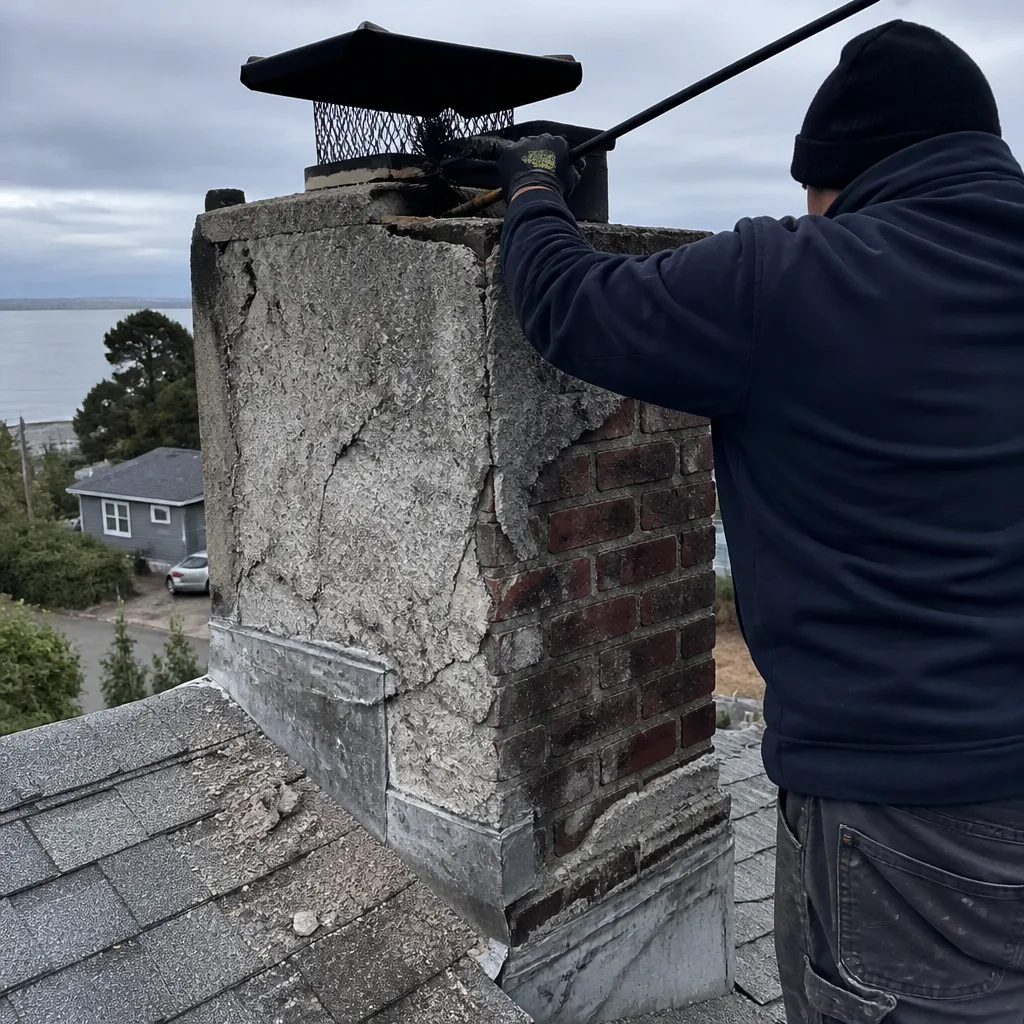
- Deferring repairs after the report says act. The point of a professional cleaning is to learn what your system needs. A written repair recommendation ignored for a season is a fire risk you chose to carry. We’ve seen small parge-coat failures become full liner replacements within eighteen months in Sea Cliff’s damp air.
- Hiring a chimney contractor for venting work they don’t understand. Dryer vents aren’t chimneys, and a team that treats them as an afterthought is leaving a documented fire risk unaddressed. The U.S. Fire Administration identifies dryer vent fires as one of the leading appliance-related causes of residential fires. If your contractor can’t handle both systems, you’re coordinating two vendors for what a full-service team manages in one visit.
See the difference
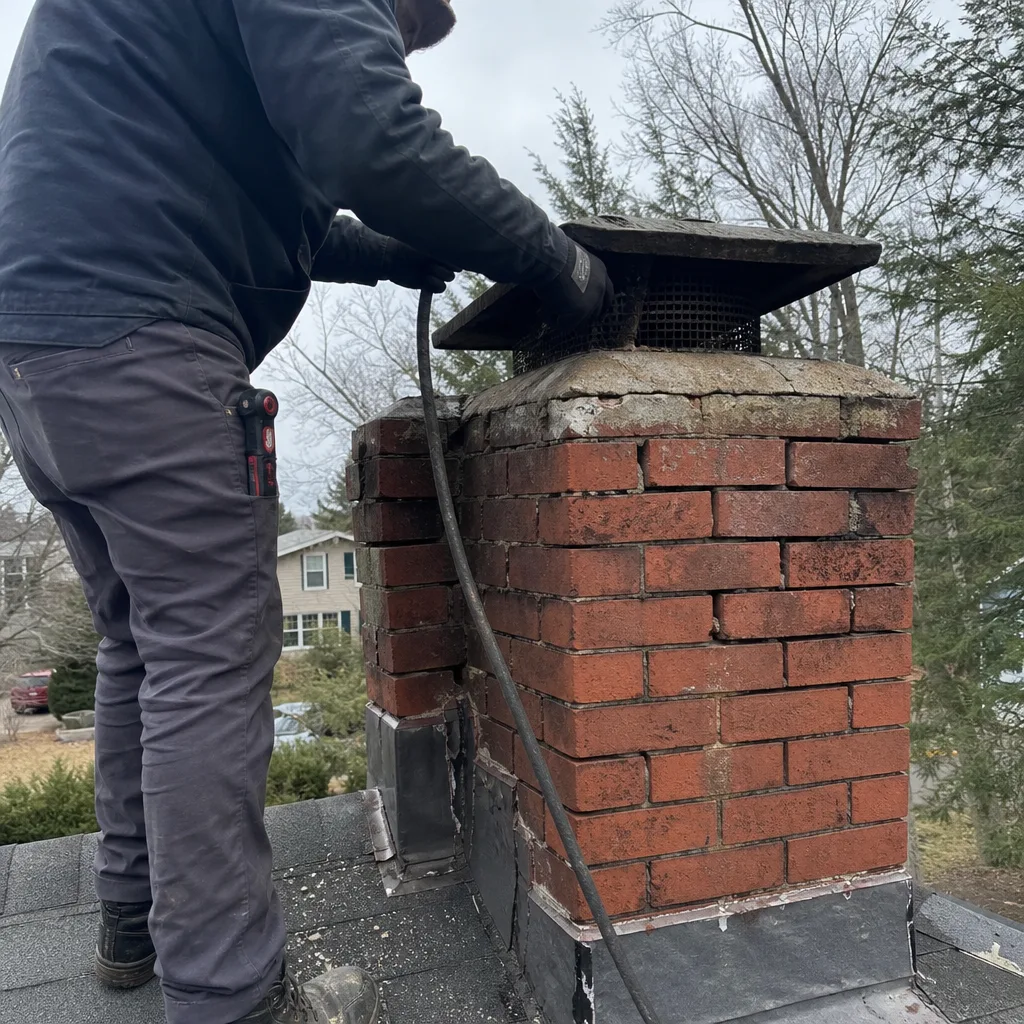 Before
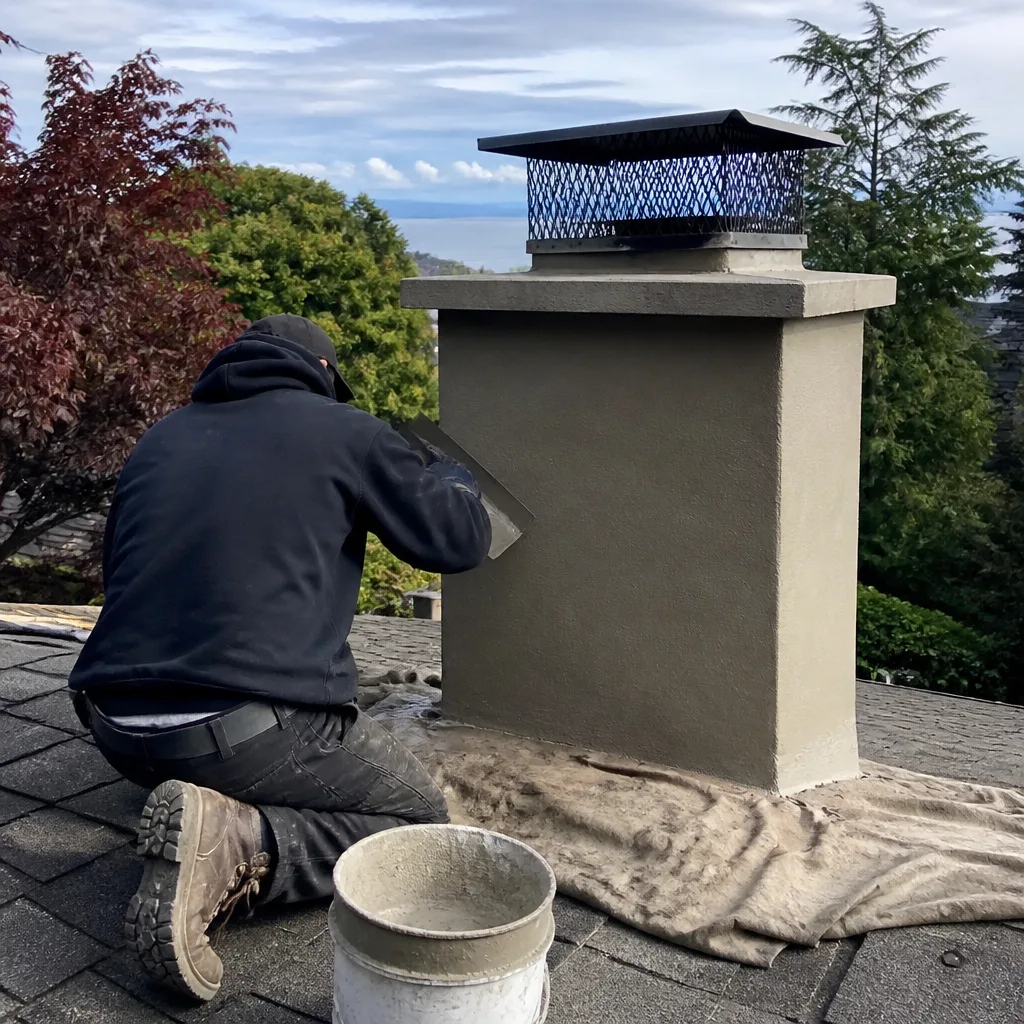 After
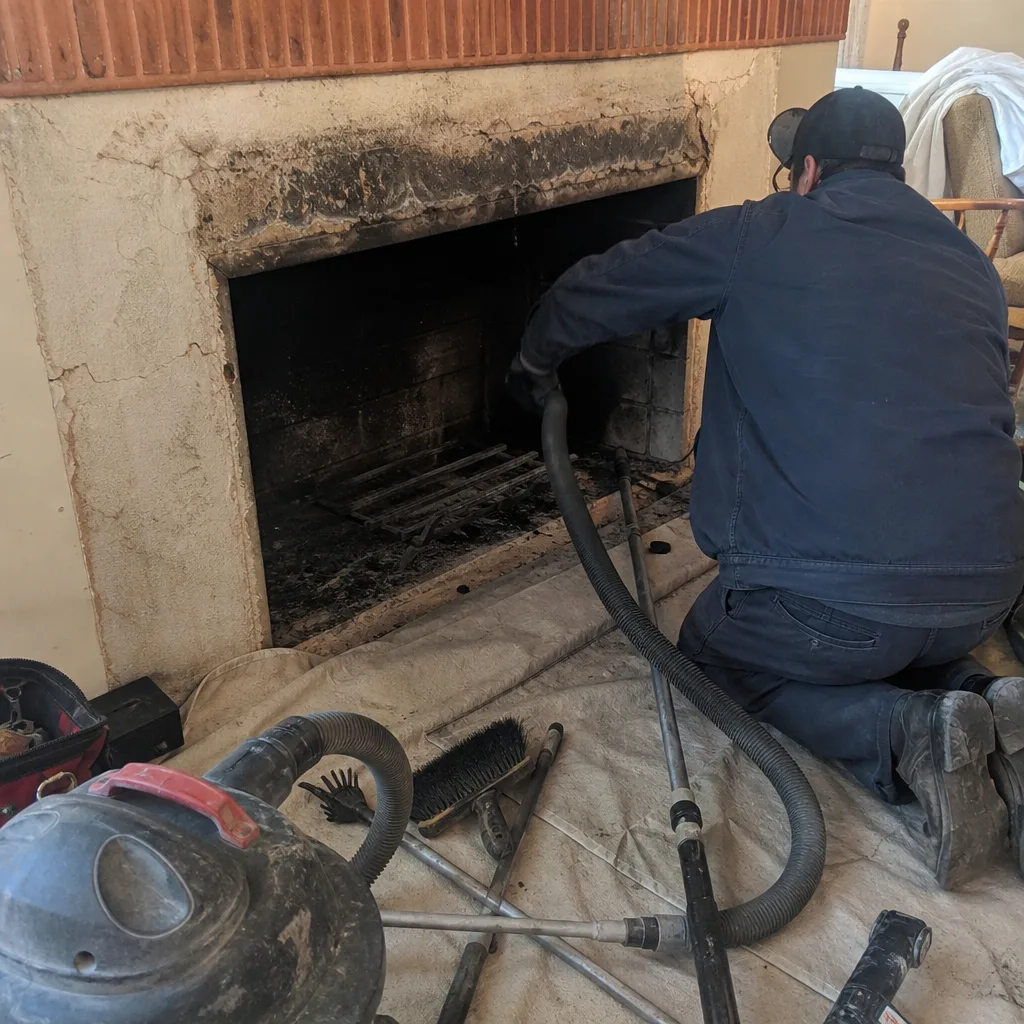 Before
 After
 Before
 After
When to Call a Professional
If you’ve noticed smoke backing into the room, a persistent damp smell from the fireplace, visible efflorescence on exterior masonry, or you simply can’t remember the last time the flue was inspected, consult our Chimney Cleaning Emergency Preparedness Guide for Sea Cliff Homes and start calling. These aren’t cosmetic concerns. They’re early indicators that your chimney system needs attention from someone who can diagnose the whole venting pathway, not just clean the accessible portion. If your home has a gas appliance venting through the chimney, the stakes are different but no less real. A blocked or leaking gas vent introduces carbon monoxide risk, and that’s never a wait-and-see situation. Sunstone Chimney Sweep offers free estimates in Sea Cliff. Call (833) 593-0743, and we’ll tell you honestly whether the system needs work now or can wait.
Frequently Asked Questions
A standard chimney sweep in Sea Cliff typically runs between $180 and $340 depending on appliance type, liner configuration, and accessibility. For a deeper dive into pricing factors, see our Chimney Cleaning Cost Breakdown: The Sea Cliff Homeowner’s Reference for 2026. Gas fireplace systems often run slightly lower, while masonry fireplaces with heavy creosote buildup or difficult roof access run toward the higher end. The price should include a Level 1 inspection, and you should ask whether the written report with photos is included or billed separately. Call (833) 593-0743 for an exact quote on your system. Estimates are free.
The National Fire Protection Association standard is that chimneys, fireplaces, and vents should be inspected at least once a year and cleaned when accumulation reaches a level that presents a fire hazard. For Sea Cliff homes burning wood regularly during the cooler months, that usually means an annual cleaning. Homes with occasional gas fireplace use may stretch to 18-24 months, but the inspection should still happen annually. The moisture pattern in Sea Cliff tends to accelerate creosote buildup, so if you’re burning wood, plan for an annual visit.
A legitimate liner recommendation comes with photographic evidence, specific defect descriptions, and a defined repair pathway. If a contractor is telling you to reline without showing you photos or explaining what’s failing and why, ask for the evidence. If they can’t produce it, get a second opinion. At Sunstone Chimney Sweep, we don’t recommend a liner replacement without camera findings you can see for yourself. We’ll also tell you plainly when a system can safely wait, because our business is built on the systems we repair, not unnecessary replacements.
Creosote accumulates in stages, and the third stage is a hardened, glazed coating that’s significantly more difficult and expensive to remove. Beyond the cleaning cost, accumulated creosote is the primary fuel source for chimney fires, and a dirty flue also masks underlying defects like cracked tiles, deteriorating mortar, and rusted dampers. The longer you defer, the more you’ll pay to bring the system back to safe operating condition. Call (833) 593-0743 to schedule a cleaning before a minor accumulation becomes an expensive problem.
No. CSIA certification is a professional credential issued by the Chimney Safety Institute of America signifying training and testing in chimney sweeping and inspection standards. A contractor’s license is a separate, state-issued authorization to perform work commercially. The two are complementary, not interchangeable. Ask about both, and verify each independently before you book.
Some can, and the ones that treat dryer vent cleaning as a core safety service rather than an add-on are the ones you want. Lint accumulation in dryer vents is a leading appliance-related cause of residential fires in the United States, according to U.S. Fire Administration data. A full-service chimney and venting contractor handles both systems in one visit, which means one trip, one report, and one accountable party for your home’s venting infrastructure.
The Bottom Line
Hiring a chimney cleaning contractor in Sea Cliff worth keeping comes down to specificity. For more guides & resources on protecting your home, explore our blog. A contractor who quotes without diagnosing, sweeps without inspecting, and repairs without specifying materials isn’t serving your chimney. They’re processing a transaction. The contractor worth hiring asks about your fuel type before quoting, documents findings with photos, names the materials they’d use for any repair, and tells you honestly when a system can wait. That contractor is findable. Ask the five questions, check for the red flags, demand the written report, and use what you now know to distinguish a system specialist from a brush-and-go crew. Your chimney, your house, and whoever’s sleeping under that roof are worth the extra ten minutes it takes to get the hire right. If you’d like a professional assessment of your chimney system in Sea Cliff, call Sunstone Chimney Sweep at (833) 593-0743 for a free estimate. We’ll bring the camera, the trade-grade materials, and a straight answer about what your chimney actually needs.
Written by the team at Sunstone Chimney Sweep, serving Sea Cliff since 2011.